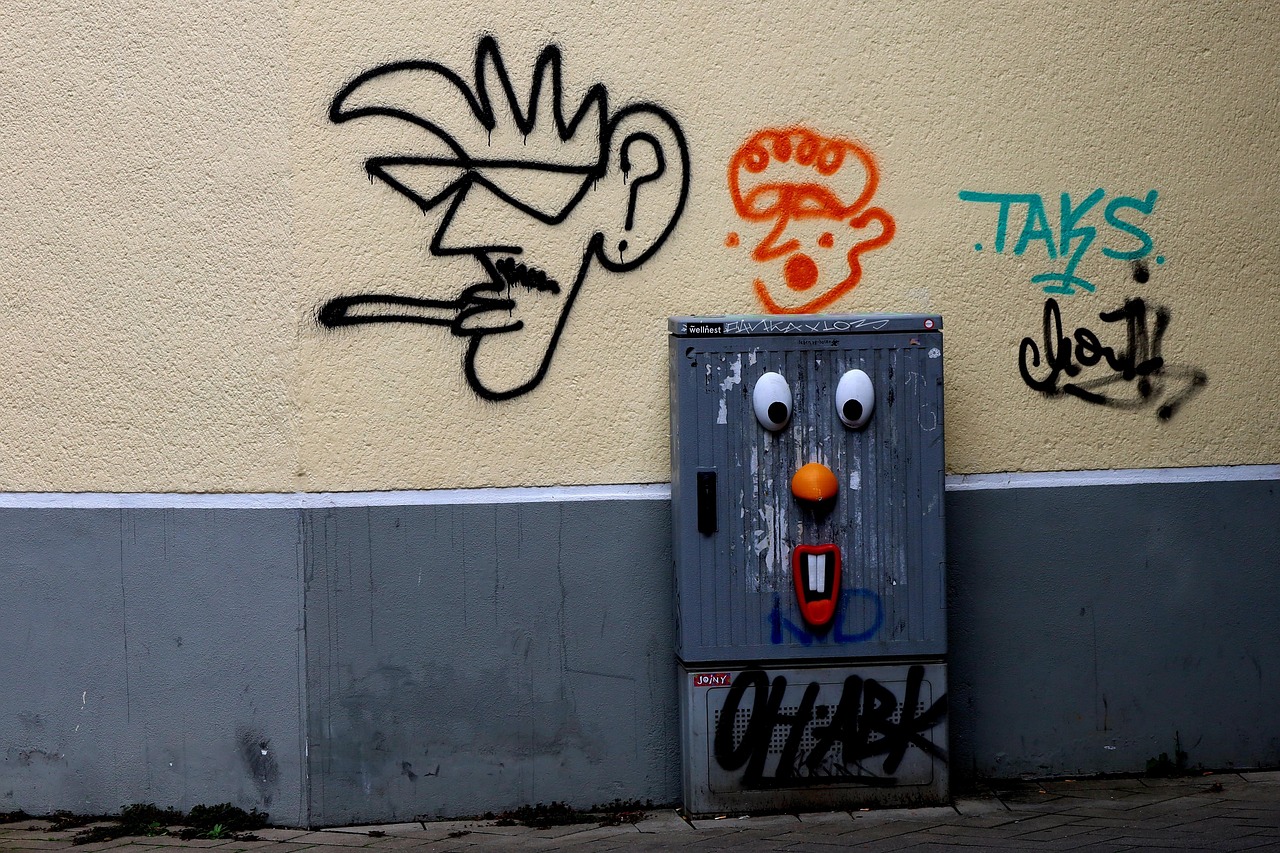
Stepping onto the lively streets of Stokes Croft or Montpelier, anyone familiar with Bristol will tell you. The area’s ever-changing canvas is both its spirit and, at times, its point of tension. Recently, June brought another twist in the tale: local police have rolled out a targeted initiative to address what they describe as a surge in graffiti vandalism. This move aims to draw a sharper line between creative expression and illegal tagging, setting the scene for a new chapter in one of the city’s most fiercely debated urban landscapes.
Police Initiative: Surveillance and Strategy
The new plan unveiled by Bristol Police features stepped-up patrols and the installation of advanced surveillance cameras in locations notorious for repeat tagging. While these efforts stem from verifiable police records noting a year-on-year increase in unauthorised graffiti, the authorities stress the approach isn’t about stifling art. Instead, they’re tightening up on prolific offenders who operate without community engagement or regard for property owners. Police officials, speaking on record, emphasize their intention to work alongside local councils and community arts groups rather than enforce a blanket crackdown.
What sets this campaign apart is its data-driven focus: certain hotspots have been identified based on a marked spike in reported incidents over the past three months. Enforcement actions are targeting those leaving rapid, repeat tags, particularly works containing hate speech or obscenities. Importantly, officers state that property owners who wish to sport artistic murals remain free to do so. Provided permissions are formalized in accordance with city guidelines.
Nuances: Tagging vs. Permitted Art
It’s crucial to distinguish here: not every spray of paint is considered “vandalism” in the eyes of locals or legal authorities. Bristol’s street art history is renowned, shaping both the city’s international reputation and its tourism economy. Sites like Stokes Croft have fostered legal collaborations between building owners and artists, resulting in sanctioned murals, public art projects, and vibrant urban installations. The police crackdown, based on direct statements from city officials, is pointedly not targeting these collaborative efforts.
However, the distinction can feel blurry. Over a decade ago, I was involved with a community mural project in central Bristol. We went through the formal channels: permissions, designs, even joint paint days where shop owners pitched in. Enthusiasm was palpable. That experience remains in stark contrast to nights when our new artwork was peppered with unsolicited tags, sometimes within hours of completion. A frustration echoed by both artists and businesses seeking to balance openness with respect for their contributions.
Community Voices: Artists and Residents Respond
Feedback from local artists has ranged widely, often reflecting deep pride in the area’s creative legacy alongside concerns about overregulation. Many established muralists and project leaders feel the current approach is an attempt to “protect, not police,” when it comes to sanctioned pieces. However, some younger graffiti writers argue that increased surveillance puts the area’s unique character at risk, potentially chilling the grassroots experimentation that once set Bristol apart.
Residents and business owners are equally involved, reporting mixed thoughts on the impact of vandalism. For café owners in Montpelier, an unsanctioned tag isn’t just an eyesore. It equates to lost revenue and costly maintenance. One business owner recently shared details of monthly clean-up bills rising by more than 30% since March 2025, a burden many feel unfairly tips the scales against independent enterprises. From my professional experience consulting with local businesses, maintaining a welcoming exterior directly influences both customer traffic and neighbourhood pride, two factors that build the fabric of Bristol’s high streets.
Ripple Effects on Local Culture
Bristol’s reputation as a street art hub has always walked a careful line. City-led initiatives in recent years created spaces where emerging artists can paint legally, reducing friction with property owners but not eliminating the urge for illicit, anonymous tagging. The new enforcement push could set a precedent for other UK cities grappling with similar questions about artistic freedom, community identity, and the protection of shared spaces.
On one hand, there’s valid concern that stricter enforcement will mute the distinctive voice that Bristol has cultivated over decades. On the other, unchecked tagging and vandalism often erode public goodwill for art in general, undercutting the efforts of those who seek to uplift and inspire through their creative work.
Finding the sweet spot is never straightforward and rarely fully satisfying for all sides. Yet real progress, in my view, comes from ongoing discussion, compromise, and transparent communication between authorities, artists, and residents. Only through this kind of engagement does a city like Bristol remain both vibrant and respectful of its collective space.
Summary and Call to Action
The balance between combating vandalism and embracing street art remains a delicate dance for Bristol. Recent steps by police represent an attempt to recalibrate, focusing resources on curbing property damage while championing legitimate, community-led creativity. Local voices. Whether artistic, entrepreneurial, or civic. Will continue to shape how these policies play out on the ground.
For those invested in Bristol’s creative future, now is the time to engage. Support local art projects, participate in public consultations, and stay informed about policy developments. Whether you’re a resident, artist, or business owner, your input carries weight in steering Bristol’s next chapter on the urban canvas.
Frequently Asked Questions
What counts as illegal graffiti under the new crackdown?
Illegal graffiti refers to any marking, scribbling, or painting made on property without the owner’s permission. The new enforcement approach is especially targeting tags and markings that are not part of organized, agreed-upon art projects. If a mural or piece is created within the bounds of formal local permissions, it is generally not subject to removal or prosecution.
How can artists or property owners receive permission for street art?
Artists and property owners can apply for permissions through Bristol City Council’s established processes. These steps involve submitting a proposal, gaining property owner consent, and, in some cases, community consultation. Approved works are documented by the council and are not affected by the ongoing crackdown.
Are businesses eligible for support if hit by graffiti vandalism?
Local businesses experiencing repeated vandalism may seek assistance from both city authorities and business improvement organizations. Support can include funding for rapid cleaning, as well as guidance on pursuing insurance claims or preventive deterrence measures.
Will permitted murals be monitored or removed by police?
Permitted murals, once officially recognized, remain protected and are not the focus of police enforcement unless altered unlawfully or containing offensive material. Any modifications or removals would typically follow a formal notice and review process involving the property owner and artist.
How is Bristol fostering constructive street art while managing vandalism?
Bristol continues to sponsor festivals, open-call mural projects, and training for young artists. Collaborative efforts between the council, nonprofit groups, and neighbourhood initiatives aim to provide legal spaces for expression, reducing demand for illicit tagging while maintaining the area’s world-class street art reputation.