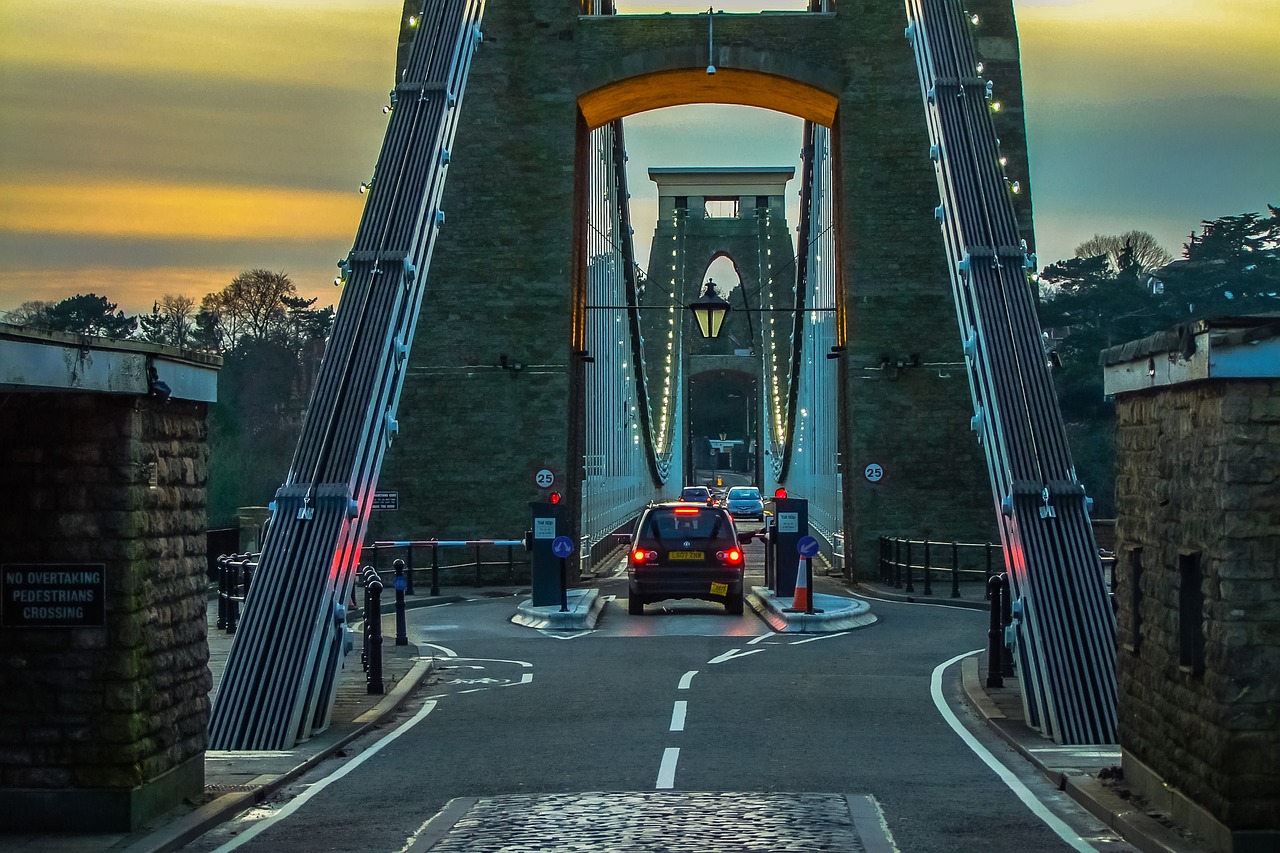
If you’ve lived or worked in Bristol for any stretch of time, you’ll know the city’s passion for live entertainment runs deep. Especially when major concerts roll through Queen Square. With tens of thousands set to descend on the city centre this summer, preparations are at full tilt. Large-scale events like these have a way of turning the familiar into the unexpected, weaving excitement and disruption together. At times, it seems every Bristolian has their own story about navigating concerts in the city centre. Dodging closed roads or hopping on rerouted buses. I can recall just last year, weaving between temporary barriers near Broadmead, and marvelling at the city’s character unfazed by the occasional logistical hiccup.
Major Road Closures: What to Expect
Let’s get straight to the essentials. Bristol City Council has introduced a definitive list of temporary road closures and diversions surrounding Queen Square for the upcoming concerts. Key stretches including Prince Street, King Street, and sections of Welsh Back will shut down to all traffic. Starting from early afternoon through the late evening on headline performance days. Additional closures will affect The Grove and Queen Charlotte Street, limiting vehicle access to emergency services and event logistics only.
Anyone planning to drive this week will need a fresh approach. With signage and stewards positioned at all major junctions, it’s impossible to miss the shifting landscape downtown. Commuters and residents are urged to consult the council’s official event map before setting out; this isn’t the week for a carefree shortcut.
These closures are implemented with public safety in mind, ensuring the sheer volume of arrivals and the dense layout of Queen Square can be managed without risk.
Public Transport: Bus and Park-and-Ride Changes
Public buses are Bristol’s lifeline, and this week, their routes are adapting to the city’s changing pulse. First Bus has confirmed a number of temporary diversions around disrupted roads. Routes 1, 2, 8, 9, and the key city centre loop will now avoid stops on Baldwin Street and Prince Street, instead picking up directly from The Centre and Rupert Street. Service notices have been updated at bus shelters, and digital tickets remain valid on all rerouted services.
Park-and-ride fans should expect changes, too. The Brislington and Long Ashton sites are still your best bet for avoiding city centre gridlock, though shuttle drop-off points are being moved to Temple Meads and Cabot Circus. This new arrangement is designed to keep city-bound traffic flowing, but you may find a bit more walking is required to reach Queen Square. As ever with these kind of shake-ups, there’s bound to be a touch of healthy grumbling. Though any real Bristolean knows it’s a small trade-off for city-wide celebration.
Travel Guidance: Best Times and Essential Tips
Now, when is the best time to travel? City authorities are recommending non-essential journeys into the affected area be completed before 3pm, well before the evening rush and pre-concert crowds. If you’re not one for squeezing through a crush of festival-goers, an earlier or later trip will serve you well. Residents living within the closure zones are being asked to carry proof of address. Handy for stewards manning the barricades, not to mention peace of mind if you need to nip out.
For anyone with accessibility requirements, there are dedicated drop-off points near Millennium Square and Redcliffe. The council’s event hotlines are open for tailored guidance.
Sustainable Choices: Cycling and Scooter Alternatives
In line with Bristol’s ambitious transport strategy, the council is putting extra focus on cycling and e-scooters during the concert series. Pop-up bike parking has sprung up along Marsh Street and outside Queen’s Square South, catering to regular cyclists and those using on-demand scooters. Rental companies have set up temporary docking hubs to keep the path clear for pedestrians. Cycle lanes along Redcliffe Way are patrolled to reduce congestion and help those unfamiliar with the route. There’s a real sense that Bristol is using these major events as a dry run for the city’s long-term vision. Encouraging locals and visitors to adopt alternatives that relieve pressure on both roads and public transport networks.
How These Changes Shape Bristol’s Event Culture
You can feel Bristol’s evolving identity in every one of these decisions. The city’s ability to host vast concerts while embracing a multi-modal transport network is maturing before our eyes. Having collaborated with event venues and hospitality businesses in the past, I’ve seen firsthand how coordinated planning. Like this blend of road closures and enhanced bus service. Improves not just traffic, but the experience for concertgoers and residents alike.
Businesses are catching on too. Many local hotels, such as the renowned Hotel du Vin Bristol City Centre, have adapted their concierge guidance for guests, providing up-to-date travel cards and walking maps. Their neighbouring locations keep relaxation front of mind, offering city-centre escapes and tailored spa packages. An ideal balm after a day of festival crowds. Anyone needing respite from the noise finds haven in Exeter or Avon Gorge, where service remains seamless even on the busiest weekends.
A City Ready for the Spotlight
If there’s one thing that’s crystal clear, it’s the pride Bristol takes in looking after its people during these periods of transformation. The detailed closures, responsive public transport plans, and sustainable alternatives aren’t only a testament to city management. They form part of a larger commitment to keep Bristol accessible and vibrant, no matter what’s on the calendar. Whether you’re wrapped in the adrenaline of a headline act or simply navigating a new commute, the city’s adaptability is on full display.
There’s never been a better time to explore your travel options, update your route, or discover a new way of getting across town. Bristol thrives on movement. This week, it’s simply moving to a different beat.
Check real-time travel bulletins and, if you’re heading into the centre, allow a little extra time. Stay safe, and let’s celebrate Bristol’s events with characteristic flair and consideration for one another.
Frequently Asked Questions
Which roads will be closed in Bristol city centre for the Queen Square concerts?
Roads including Prince Street, King Street, The Grove, Queen Charlotte Street, and parts of Welsh Back are set to be fully closed or partially restricted on concert days. Access will be managed by event stewards; only emergency vehicles and official event traffic may enter the inner zones. Signage and barriers will guide drivers around diversions.
How are First Bus routes being affected?
Key First Bus routes are being temporarily diverted to avoid road closures. Buses that normally use Prince Street and adjacent stops will collect and drop off passengers at alternative locations such as The Centre and Rupert Street. Updated route details are posted at bus stops and on the official First Bus digital channels.
What’s the advice for residents and attendees who want to cycle or use scooters?
Temporary bike parking and scooter docking zones have been established at Marsh Street and Queen’s Square South. The council encourages cycling or e-scooter use, especially with extra patrols and reserved lorry-free cycle lanes in the area for this period.
Are park-and-ride services still operating as usual?
Park-and-ride car parks remain open, but shuttle drop-off points are moved away from the immediate event area to Temple Meads and Cabot Circus. Travellers should be ready for a slightly longer walk and are advised to check the latest updates on pick-up and drop-off zones before departing.
How do these temporary changes fit into Bristol’s longer-term transport strategy?
The current adjustments are part of an ongoing push to encourage greener, more efficient travel around Bristol. These events act as both a test and a showcase for new transport solutions. Demonstrating how the city can balance entertainment with smooth, sustainable mobility for all.