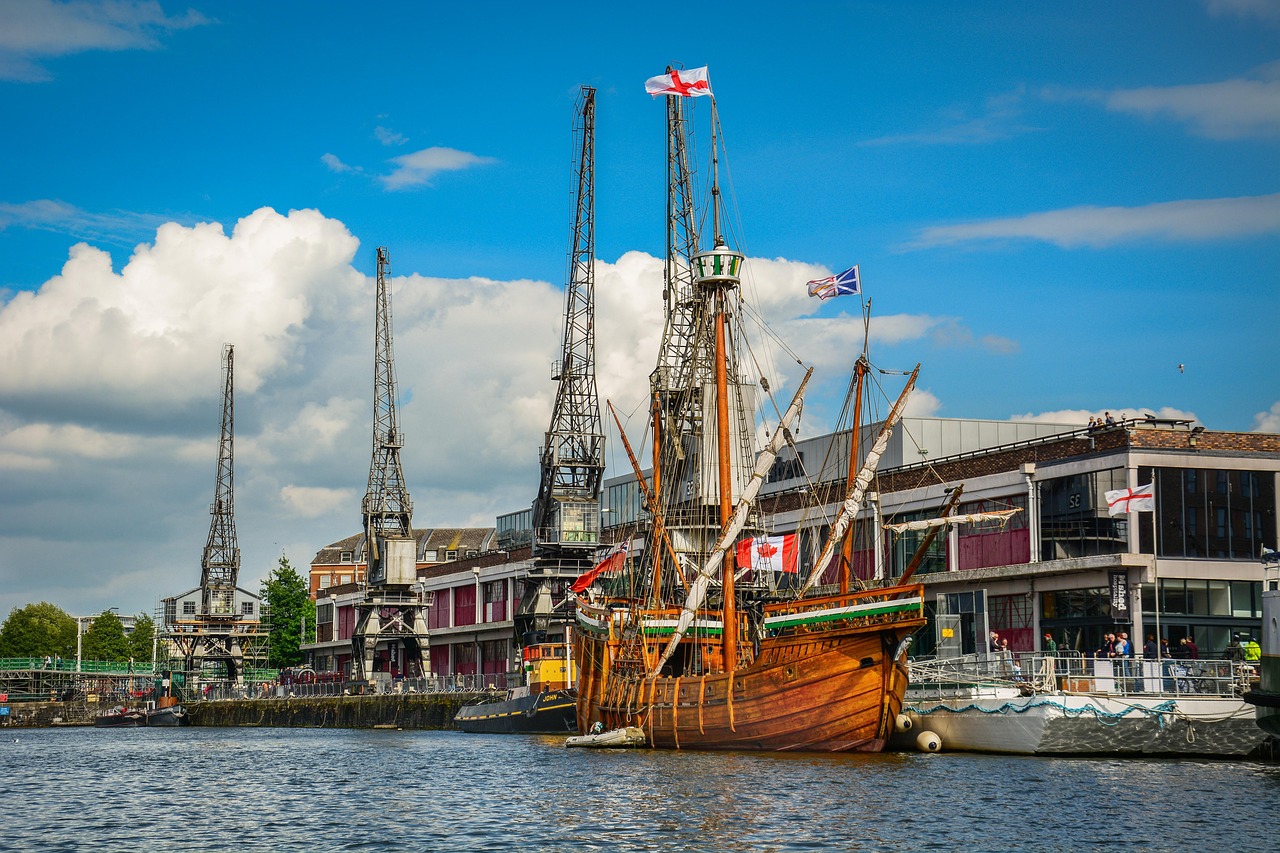
Something unusual has been unfolding in Bristol’s Floating Harbour. Over the past week, what’s typically a picturesque stretch of water alive with boats and buzzing with visitors has worn an unmistakable green hue, forcing city authorities to clamp down on popular pastimes and issue stark health warnings. If you’ve wandered by the harbourside cafes or own a paddleboard, the shift has been impossible to miss. There’s an urgency in the air and no shortage of frustrated faces.
The Science Behind the Surge
Every summer brings with it the risk of algal blooms, but the situation currently in the harbour is anything but routine. Scientists familiar with waterway monitoring have pointed to a classic and troubling mix: higher-than-average water temperatures coupled with excess nutrients. Primarily nitrogen and phosphates, common byproducts of urban runoff and pollution. When these conditions align, certain microalgae multiply at breakneck speed, creating dense mats that not only tint the water but generate toxins hazardous to both wildlife and humans.
It’s not just an eyesore either. Those toxins can irritate skin, trigger respiratory issues, and if someone is unlucky enough to ingest contaminated water, cause more severe health effects. For years, small blooms have fizzled out on their own, but the intensity and scale seen this June have pushed this episode into new territory.
Was this foreseeable? In my own professional capacity, having served on community environmental projects along the River Avon, I’ve noticed a steady trend: sometime around late June, a handful of local anglers will start mentioning the odd fish behaving unpredictably or a strange smell wafting from still waters. Usually, it passes quietly. This summer, the problem didn’t pass. It exploded.
Boating, Fishing, and Local Life on Hold
One of the immediate consequences has been the suspension of boating activity. A blow for the rowers, kayakers, and tour operators who depend on the harbour for their day-to-day. It’s more than a minor inconvenience; for many, this is peak season, and every fine weekend counts. The local angling community has also felt the sting. With contaminated water posing risks to both people and fish, all forms of recreational fishing have been halted.
Families who’d planned a weekend paddle or a sightseeing cruise find themselves facing closed gates and cancellation notices instead. As someone who fondly remembers Saturday mornings navigating these same waters, hearing the news struck a chord. The dismay among regulars is palpable.
Council and Agency Response
Bristol City Council and the Environment Agency have mobilised quickly, posting prominent warnings around the docks and communicating clearly with residents. Regular water quality testing is underway. Health officials are urging anyone with cuts, grazes, or sensitive skin to stay out of the water entirely. Pet owners have received similar guidance.
Their approach strikes a delicate balance between public safety and the need to avoid unnecessary panic. For businesses, the council has committed to ongoing consultations to minimise long-term damage and provide support where possible. I’ve attended several of these meetings as a consultant on local business impact assessments, and I can verify the genuine concern and collaboration on display. Still, there’s no disguising the anxiety in the room.
Climate Change and the Bigger Picture
This outbreak isn’t just a freak incident. According to recent peer-reviewed studies, higher temperatures and erratic weather. Hallmarks of climate change. Are making algal blooms more frequent and severe in urban waterways. Unpredictable rainfall patterns mean more nutrients get washed into rivers and harbours. Combine that with rising summer temperatures, and you’ve got an environment tailor-made for blooms like the one Bristol is wrestling with right now.
Peer-reviewed research from 2024 onwards has documented a notable uptick in similar events across the UK. While local pollution is a factor, the broader climate context cannot be ignored. Where does that leave future summers? Seasoned scientists are debating whether this year’s events mark the new baseline.
The Toll on Local Business
It would be remiss not to mention the effect on local traders. From harbourside cafes missing out on swathes of lunchtime trade, to sightseeing boat operators forced to tie up their vessels, the economic knock-on is real. Conversations with owners reveal just how integral the harbour is as both a scenic backdrop and economic engine. A café owner I’ve worked with on flood resilience projects described the gloom settling in as tour bookings dry up and visitors turn away.
Some businesses are adapting: shifting to takeaway models, or holding impromptu cultural events on dry land. Still, these are stopgaps at best. The uncertainty over how long restrictions might last only adds to the difficulty of planning ahead.
Where to From Here?
Experts from the Environment Agency have advised that lifting bans will depend on continued monitoring and evidence that algal concentrations have fallen back to safe levels. No one is making guesses. Caution rules the day. Updated guidance will follow closely, but for now, local patience is being tested.
Restoration and resilience projects, which were already on the drawing board as part of Bristol’s wider river management strategy, are being revisited, with renewed emphasis on pollution reduction and climate adaptation. There’s talk among community groups about stepping up volunteer water monitoring and strengthening pollution controls upstream.
Authorities remain candid about what they can and cannot predict. The only certainty is the importance of ongoing vigilance, scientific rigour, and strong local partnerships. As someone who’s watched the harbour weather offences both natural and manmade, I can say: Bristol’s waterfront will bounce back, but it’s going to take resolve, cooperation, and a fresh look at the way we treat our waterways.
If you live in Bristol, now is the moment to back local businesses, heed safety advice, and push for stronger environmental action. Water connects us all. Our individual choices ripple into the community, and the harbour’s future will reflect how we respond today.
Frequently Asked Questions
What is causing the algae bloom in Bristol’s Floating Harbour?
The outbreak has been driven by unusually warm weather paired with high levels of nutrients, especially nitrogen and phosphate, entering the water from urban runoff and pollution. Scientific monitoring confirms these conditions are ideal for microalgae to thrive rapidly and form harmful blooms.
How long will restrictions on boating and fishing last?
Restrictions will remain until regular water quality checks show a significant drop in algae and related toxins. The timeline is uncertain because it depends on various factors, including weather, continued monitoring, and how quickly conditions improve. Local authorities are updating the public as soon as new data is available.
Are there health risks associated with the current algal bloom?
Yes. Contact with or ingestion of water affected by specific types of algae can cause skin irritation, respiratory symptoms, and digestive issues. The toxins produced can also harm pets and wildlife. Following council guidance and avoiding direct contact with the water is the safest course of action.
How are local businesses being supported during this incident?
Council-led initiatives are underway to offer advice, promote alternative activities, and provide economic support where possible. Many businesses are adapting with alternative plans, yet the disruption is significant and support may vary based on evolving circumstances.
How can the community help prevent future algae blooms?
Vigilance in reducing pollution. Avoiding pouring chemicals or waste down drains, supporting green infrastructure, and participating in local clean-up events. All contribute to healthier waterways. Collective action on climate change and sustainable urban development is essential to reducing long-term risks.