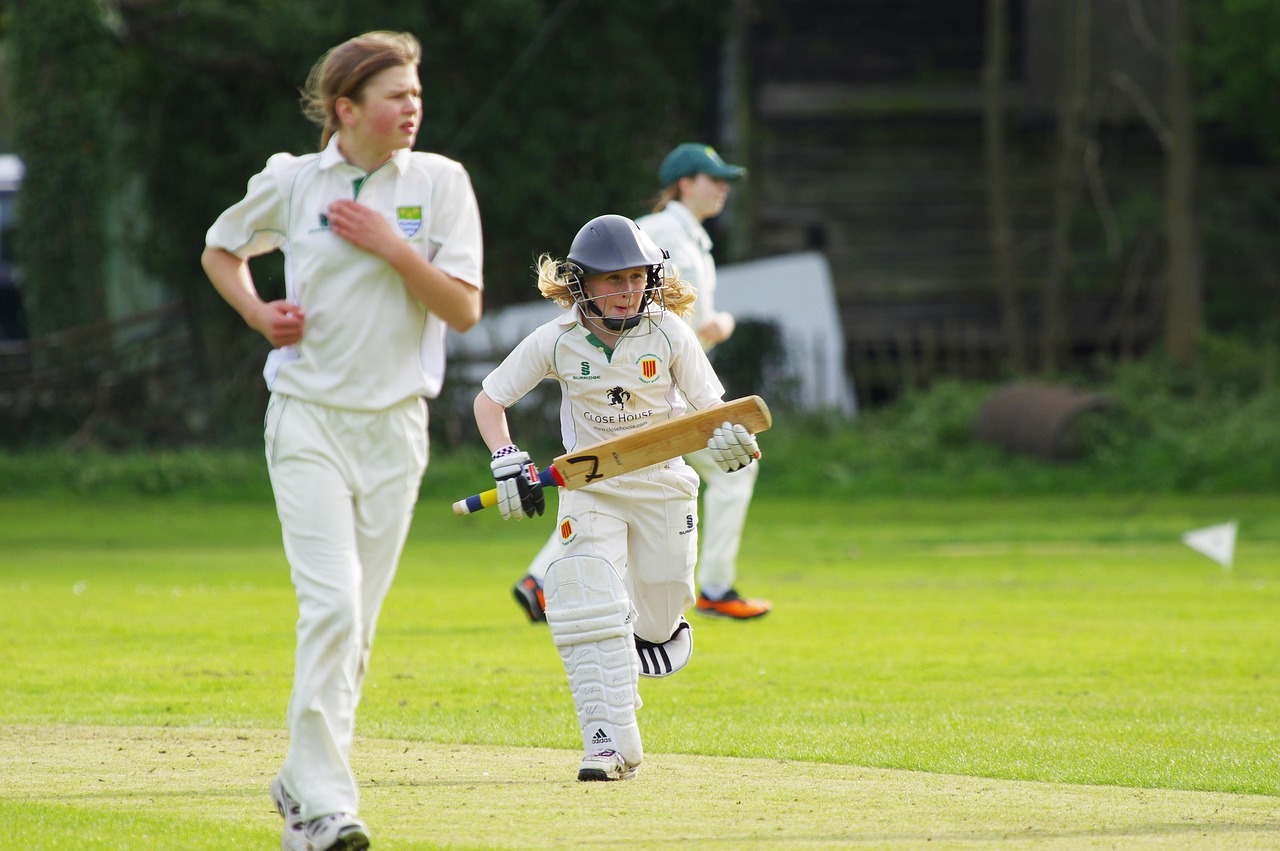
No one quite expects to see an England cricket star stepping onto a club field on a weekday afternoon, but that’s exactly what happened when Ben Stokes, England’s Test captain and one of world cricket’s leading names, turned the spotlight on South Bristol Cricket Club during a surprise youth outreach visit in late June 2025. News travels fast in local cricket circles, but nothing matches the buzz when a player of Stokes’ stature arrives at your home ground, batting pads slung over one shoulder and a big grin on his face.
The Surprise That Stunned South Bristol
South Bristol Cricket Club, historically rooted in social development and junior coaching, has often hosted local fixtures, summer camps, and youth tournaments. Having seen my own cousins pick up their first bat here, I know firsthand just how much the club means to the area . Not only as a place to play but as an anchor for community values. This particular visit, though, will forever stand apart. According to everyone present, Stokes did not just show up for a fleeting photo opportunity; he spent hours at the crease and in the nets, chatting candidly with the club’s under-11s, challenging teens to bowl their best, and exchanging technique tips with volunteer coaches.
Purpose-Driven Outreach: Beyond the Headlines
While it’s easy to characterise such moments as headline fodder, Stokes’ motivation stemmed from a very real concern: safeguarding the future of grassroots cricket in places like South Bristol. The outreach was designed not as a one-off gesture, but as part of a wider England and Wales Cricket Board initiative to reinvigorate youth participation, particularly in areas where clubs wrestle with player retention and limited resources. Anyone who’s been seriously involved in local cricket knows that volunteer-led coaching and junior sections are the beating heart of the sport. Without continuous support, that heart risks skipping a few beats.
Young Players Rising to the Occasion
You could see it in the faces: astonishment at first, quickly replaced by sheer determination. Local youngsters relished the unique challenge of bowling at a living legend and peppered Stokes with questions about his international career, practice routines, and, naturally, his most famous match moments. Coaches, many of whom juggle multiple roles during the season, made full use of the afternoon . Inviting Stokes to join skill-building drills and leading small group discussions around teamwork, leadership, and resilience.
Why Grassroots Sport Matters
Why does an unexpected visit like this matter so much? Because it’s about far more than sport. Clubs such as South Bristol nurture life skills . Discipline, respect, friendship . That extend beyond the boundary rope. My own experience as a player and coach at community clubs has proved that lasting social bonds and improved self-esteem often emerge from challenging afternoons spent chasing a ball around a field, not just from winning trophies. Teachers and parents at the event echoed a simple but powerful sentiment: engagement in cricket keeps young people active, grounded, and focused, especially during critical stages of adolescence.
The Financial and Social Realities in 2025
While Bristol benefits from a vibrant amateur sporting scene, not everything in the garden is rosy. Funding for junior programmes remains unpredictable, and grassroots clubs continually face pressure from both inflation and shrinking council budgets. Data published in May 2025 suggests many community clubs across the South West are still recovering from pandemic-era losses, with junior cricket sections often first to feel the squeeze. South Bristol Cricket Club, for its part, has relied on local business sponsorships, fundraisers, and the resilience of volunteers to keep the doors open and bats swinging.
How the Wider City Responds
The visit highlighted both the rich potential and the ongoing vulnerability of club cricket in Bristol. Recent developments, such as South Bristol’s anticipated £11 million Youth Zone project, underline how partnerships between sport, education, and civic groups remain vital. Acts like Stokes’ visit aren’t just inspiring; they act as real-world reminders that when established figures back local sport, it sends a clear message to funders, parents, and politicians alike: this matters.
The Road Ahead for South Bristol Cricket and Beyond
There’s no quick fix for the challenges facing community sport, but there’s clear consensus that high-profile, hands-on engagement makes a difference. Interview footage and official statements from club leaders point to a renewed energy among young players, with many expressing a newfound belief in their future potential within the game. If these young cricketers – empowered by seeing an England icon up close and personal – go on to represent their county or, just as importantly, pass on their passion to others, the impact will echo for years.
Every club coach and committee member knows: the old phrase, “It takes a village to raise a child,” might just as easily apply to cricket. For South Bristol Cricket Club, the presence of Ben Stokes felt like the whole village turning out in support.
Let’s keep recognising and backing these efforts, and ensure that cricket – and all it offers to young people – continues to flourish in every corner of Bristol. Whether through donations, coaching time, or simple cheerleading from the sidelines, every contribution counts. If you’ve ever benefited from community sport, now might be the perfect time to give a little something back.
Frequently Asked Questions
What was the main aim of Ben Stokes’ visit to South Bristol Cricket Club?
The visit was part of a national outreach programme focused on encouraging youth participation in cricket and highlighting the value of grassroots clubs to the wider community. By engaging directly with juniors, Stokes aimed to inspire both current and future players and to spotlight the importance of local club support.
How are local cricket clubs in Bristol currently supported?
Support comes from a combination of volunteer coaches, local business sponsorships, community fundraising, and occasional grants. However, gaps in funding remain, and clubs frequently rely on the goodwill and overtime efforts of their community.
Why is youth participation in cricket so important for community development?
Involvement in sport, especially cricket, provides young people with structure, purpose, social networks, and opportunities to learn essential life skills. Evidence from academic research and case studies shows that active participation is closely linked with higher self-confidence, lower antisocial behaviour, and better academic outcomes.
What challenges are grassroots cricket clubs facing in Bristol in 2025?
Key issues include financial instability, rising costs of equipment and upkeep, difficulty recruiting volunteers, and competition from other activities vying for young people’s attention. Clubs must constantly innovate to remain welcoming, accessible, and sustainable.
How can individuals or businesses support grassroots cricket in their community?
There are multiple ways to help: volunteering as coaches or helpers, sponsoring equipment or events, supporting club fundraising campaigns, or simply turning up to matches to show encouragement. Every act, big or small, strengthens the local sporting network and helps sustain these vital community hubs.