It’s happened: Bristol’s population has officially blown past the half-million mark as of June 23, 2025. That’s not just a fun stat for the record books. It’s a shift that’s affecting the city’s very core. Anyone who’s had to call in for a GP appointment, wrangle a last-minute school place, or squeeze onto a Metrobus at rush hour already knows the basics: more people brings more strain, but also more opportunity. Let’s take a clear-eyed look at how our swelling ranks are reshaping health, education, and transport in Bristol today.
Bristol’s Health Services: Stretched Thin but Fighting Back
Put bluntly, NHS capacity is being tested. Recent statements from the Bristol, North Somerset, and South Gloucestershire NHS leadership highlight ongoing recruitment drives, focusing on both GPs and support staff. Despite these efforts, patients face longer waits for appointments. Figures from the spring reveal that the average GP wait has edged past 10 days, with some practices reporting delays closer to two weeks, especially on the city’s eastern fringes.
The main culprit isn’t just the rising birth rate, but a visible influx of new residents. From London, the wider South West, and overseas. Research from University of Bristol’s Primary Healthcare team notes a shortfall in GP recruitment has led to the NHS requesting additional funds (over £2 million in the last quarter alone) just to plug staffing gaps and create extra practice capacity. Having lived in Southville for a decade, I’ve noticed real changes: my local surgery now handles hundreds more patients compared to three years ago, and the waiting room tells its own story, full to the brim most mornings.
Efforts are underway to roll out digital triage systems and expand nurse practitioner roles, but front-line staff maintain the pressure is unlike anything since the 2021 pandemic surge.
Schools: Scramble for Places and a Rush to Build
The education sector has been forced into rapid adaptation. Latest council reports show citywide demand for both primary and secondary places outstripping existing capacity in many postcode areas. Extra classes. So-called “bulge years”. Have become the temporary fix, but planners are now looking at permanent solutions. Council admissions data released last week indicates some parents were offered school places outside their preferred neighbourhoods, especially in rapidly growing zones like Lawrence Hill and Filwood.
New school construction is finally in motion after years of debate. Both Bristol Free School and Begbrook Academy have confirmed intake expansion from September 2025, and green-lighted building plans for additional classrooms and sports facilities. Details from Bristol City Council’s policy documents point to a major new secondary development on the city outskirts, designed to open by 2027 and absorb future waves of students. From personal experience as a parent, the catchment shuffle is real. My own children faced uncertainty over placements this year, and playground chatter is full of parents plotting school runs that now stretch across town.
Transport: Investment Rising, but So Are the Queues
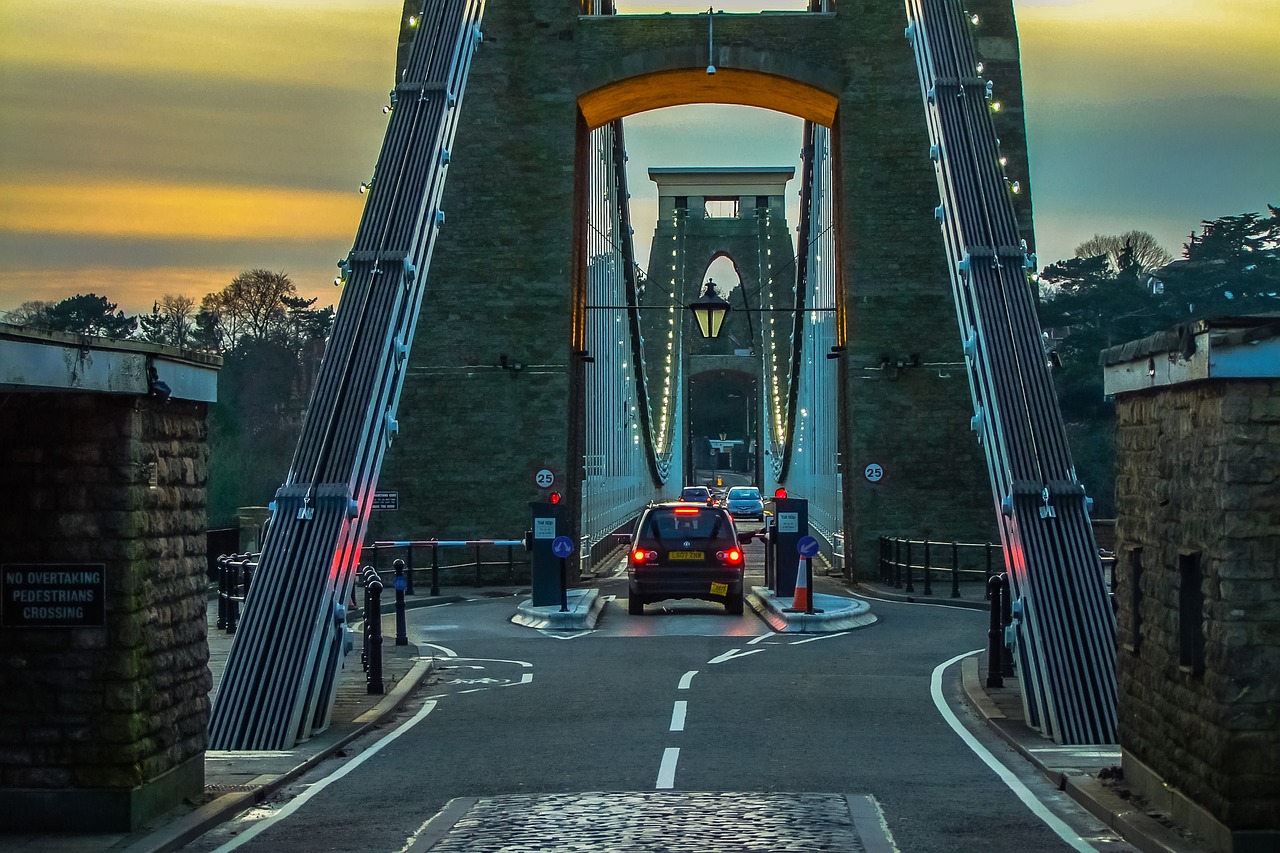
With population comes congestion, and Bristol is racing to catch up. The city’s major transit announcement last month earmarked a multi-million pound boost for bus and Metrobus networks. Bus lane expansions, especially along the A4 Portway and into South Bristol, headline new changes. The Metrobus service is expected to extend wider, with plans for extra routes to serve newly built housing clusters.
Anyone regularly on the buses. Or stuck behind them in the car. Can sense the change on Bristol’s main arteries. Morning commutes are slower, and evening rides can be packed tight. At the same time, the investment has real promise: more segregated bus lanes, plus smarter traffic light systems, should ease gridlock over the next three years.
City council transport planners openly admit these expansions are urgently needed. Their 2025 transport committee minutes, published in June, declare boosting public transport the “only viable way” to keep the city moving as new residents arrive month by month. From my own trips between Bedminster and Temple Meads, the difference in ride times between a bus lane corridor and a regular route is night and day. Saving fifteen minutes on a Wednesday morning isn’t just nice, it’s essential.
Migration: Who is Joining Bristol?
The numbers don’t lie. Internal migration is driving this growth more than natural increase. Experts state that a significant share of new Bristolians in 2024 and 2025 moved from other UK cities, with a steady stream from London, Birmingham, and the wider South West heartlands. International arrivals, especially from EU nations and students enrolling at the city’s two universities, add further layers of diversity and pressure.
Recent data from the World Population Review and local authority reports stress that Bristol’s draw is partly its jobs market (booming in technology, green energy, and creative sectors), partly quality of life, and, ironically, the perception of “affordable” living relative to London. That situation is fast changing, with housing demand and prices rising in tandem with population.
Future Commitments and Honest Gaps
Service providers have laid out expanded recruitment campaigns, new buildings for both health and education, and a decade-long plan to transform city transport. Yet, leaders caution that these projects will take years to fully address capacity issues. There’s clear acknowledgment that, for now, delays and disruptions are to be expected.
Research from the University of Bristol launched earlier this year affirms the need for stronger locally-driven solutions. Community health partnerships, school cluster cooperation, and meaningful engagement with migrant communities. While much of Bristol is adapting with typical resourcefulness, real bottlenecks remain in over-stretched GP surgeries, crowded classrooms, and slow morning commutes.
Every conversation with local teachers or NHS staff. Officially on the record. Echoes the same mix of pride and concern. Bristol’s growth is both a challenge and a chance to build a more inclusive, connected city, but reaching that goal isn’t a sprint. It’s a marathon, and we’re only in the first mile.
Frequently Asked Questions
How long are GP wait times in Bristol since the population boom?
GP wait times have increased noticeably, averaging 10 to 14 days for non-urgent appointments at many practices. Some areas face longer waits due to higher local demand. Recruitment efforts are ongoing, but the backlog remains significant.
Are new schools being built to serve Bristol’s growing population?
Yes. Several existing schools, like Bristol Free School and Begbrook Academy, are expanding their intake and facilities in 2025. There are also council plans under way for major new secondary school construction on the city’s outskirts, expected to open by 2027.
What steps are being taken to improve public transport in Bristol?
The city has approved a substantial investment in the bus and Metrobus networks. Bus lane upgrades on key routes, additional Metrobus services, and new infrastructure. Like separated lanes and modernized junctions. Are all in motion as of summer 2025.
Who are the new residents moving to Bristol?
Most new arrivals are coming from other UK cities, especially London and Birmingham, as well as from the local region. There’s also ongoing international migration, including students and young professionals attracted by Bristol’s expanding job market.
Will these investments be enough to stop service delays and overcrowding?
While new funding and construction are set to ease the worst bottlenecks, officials acknowledge it will be several years before supply fully matches demand. Regular reviews and phased expansion are planned to keep pace with ongoing growth.
Bristol’s population milestone is more than just a headline; it’s a turning point. The future depends on persistent effort, honest debate, and bringing together everyone who calls this city home. If you have concerns. Or bright ideas. Reach out to your local representatives and join the conversation shaping Bristol’s next chapter.