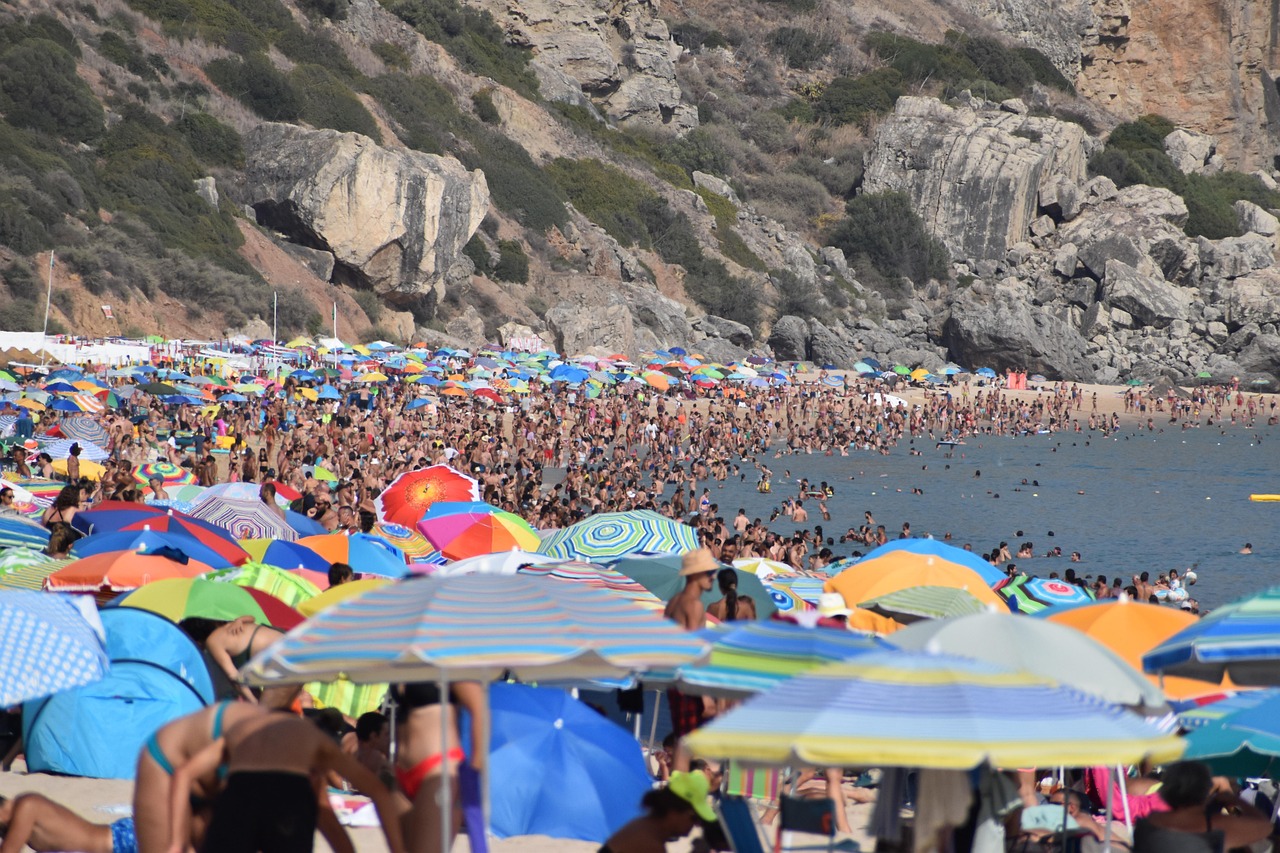
Europe has just experienced another unforgettable scorcher. As the mercury hit new highs. Topping 42°C in regions of France, Italy, and Spain. Bristol’s holidaymakers are being urged to reconsider their sun-soaked getaways this July. With headlines marking over 2,300 deaths across Europe in the last 10 days alone, this isn’t just a freak weather stat; it’s a wake-up call.
Record-Breaking Heat and Its Toll
This July’s heatwave has been described by meteorologists and climate researchers as unprecedented in both scale and intensity. Peer-reviewed climate studies, released just this week, confirm that the associated mortality this summer has already surpassed many previous years, with southern Europe bearing the brunt. Researchers state that climate change is a key factor, with the 2,300 fatalities since the start of the month representing one of the deadliest summer incidents of the past decade.
The devastating effect on vulnerable communities. Particularly the elderly and the chronically ill. Has turned holidays in popular destinations like Barcelona, Marseille, and Rome into a risk many can no longer take lightly.
Warnings from Foreign Offices and Insurers
The UK Foreign Office has ramped up its guidance for travellers, advising everyone considering trips to Southern Europe to review official updates daily. The message is clear. No one should take these conditions lightly. This isn’t just about sweltering afternoons at the beach. High humidity, wildfire risk, and overloaded emergency services mean situations can deteriorate quickly.
Travel insurers, on their part, are pushing for diligence. Before packing your summer clothes, it’s now a must to check your policy wording for coverage on heatwave-related disruptions. Speaking honestly, in cases where the Foreign Office issues formal warnings and you ignore them, you might find yourself with no cover for delays, cancellations, or even medical claims linked to heat exposure or related injuries.
Impacts on Bristol’s Travel Sector
Conversations with several Bristol-based travel advisers have reinforced the picture. Booking rates to the hottest zones have slumped even as nervous customers call in droves to modify or cancel plans. One established operator noted a sharp spike in cancellations for Spain and southern France, especially among families with young kids and elderly relatives. In some cases, agents are facing the uncomfortable task of steering clients towards milder alternatives or processing partial refunds, something I know from direct industry experience rarely comes without heated debates (no pun intended).
Travel companies have had to pivot quickly, helping people move bookings to northern Europe or even recommending holidays closer to home. Some businesses are reviewing their support resources, with dedicated teams now dealing with holidaymakers affected by extreme temperatures and flight disruptions.
July Travel: What’s Different This Year?
Unlike the usual July rush, this year’s trips come with an asterisk. Airports in the south of Europe have implemented extra hydration stations and medics on-hand due to the rising number of heat-related incidents. Airlines advocate arriving prepared, with frequent reminders about dehydration, heatstroke symptoms, and sun protection. Several destinations have closed tourist attractions or restricted outdoor events during midday hours. A huge shift from the lively summer scenes familiar to most of us.
Wildfires, especially across parts of Spain and southern France, have led to unexpected evacuations and road closures. News reports from earlier this week detailed how a Bristol resident found herself stranded for over 16 hours in rural Catalonia, after a wildfire forced local authorities to divert all traffic. These aren’t isolated cases. Emergency services admit the pace and unpredictability of fires this summer have stretched their resources to the limit.
Staying Safe: Expert Tips for Extreme Heat
It’s not all doom and gloom. Safe travel is still possible, provided you’re proactive. Based on advice from respected medical professionals and travel authorities, here’s what matters most this season:
- Hydration cannot be overstated: Carry a reusable water bottle everywhere and drink regularly, even if you don’t feel thirsty.
- Plan your excursions: Schedule sightseeing for early mornings or late afternoons, steering clear of midday sizzlers.
- Dress for the conditions: Lightweight, pale fabrics and wide-brimmed hats make a real difference.
- Know the signs of heat exhaustion and heatstroke: These can sneak up fast. If you feel dizzy, confused, or excessively sweaty, seek help immediately.
- Download relevant local emergency apps: Many European countries have multilingual alerts for weather and wildfire risks.
- Listen to local guidance: If authorities say stay indoors during certain hours, heed their advice. These warnings save lives.
Realities and Responsibilities for Residents and Travellers
Travellers from Bristol, often eager for a break from the West Country drizzle, might find these precautions a sharp contrast to the traditional sun-chasing mindset. Yet, this is quickly becoming the new normal. The travel industry, too, faces an ethical crossroads: ignore the risks and face reputational (and potentially legal) damage, or adapt quickly and support customers with care and transparency.
Having worked in travel consultancy for over a decade, I’ve witnessed how rapidly weather, policy, and public sentiment can shift. Never has that been clearer than now.
Whether you’re set on your trip or reconsidering your plans, the smartest choices come from staying informed, attentive, and flexible.
Frequently Asked Questions
Is travel insurance valid if I visit a country against Foreign Office advice during a heatwave?
If you travel while the Foreign Office has issued a warning against all but essential travel due to extreme heat, most insurers will void your policy for any related claim. Always check the most recent advice before departure.
What should I do if my holiday gets cancelled due to the heatwave?
Contact your travel agent or airline promptly. You may be offered alternative dates, destinations, or a refund, depending on their policy. Keep all correspondence in writing and request written confirmations for any changes.
Are airlines and airports prepared for these extreme temperatures?
Major airports and airlines across Europe have introduced extra cooling stations, medical teams, and flexible rebooking policies. Delays are possible, however, especially in areas affected by wildfires.
Can I get a refund if I choose to cancel my trip because of the heat?
Refund policies vary. Most travel agents will try to help, but full refunds may only be possible if the destination is deemed unsafe or if official warnings are in place. Some operators allow free date changes in response to extreme weather events.
How can I keep up to date with the latest travel advisories?
Monitor the official UK Foreign Office website for real-time updates, sign up for travel alerts, and remain in touch with your travel provider right through your trip.
Before setting off, give your safety, comfort, and peace of mind the priority they deserve. If you’re on the fence, consider destinations with milder forecasts. Or savor a summer closer to home. Either way, stay cool, stay smart, and travel safe.