Stricter enforcement has taken centre stage across Bristol this week as the city intensifies its Clean Air Zone (CAZ) crackdown. From July 15 onward, local authorities have begun issuing higher fines, with a clear intent: drive genuine air quality improvements throughout central Bristol. For anyone regularly behind the wheel in the city. Or those coming in for work, leisure, or to support loved ones. These changes are both urgent and immediate.
Bristol’s New Enforcement Approach: What’s Changed?
Today marks a new chapter in the city’s battle for cleaner air. From my vantage point commuting through the heart of Bristol, it’s apparent that enforcement isn’t just about slapping wrists; it’s a concerted effort to protect public health. Recent daily driving data shows a marked uptick in the number of vehicle checks, facilitated by a series of newly installed automatic number plate recognition (ANPR) cameras.
The authorities have identified persistent hot spots where non-compliance has been a growing concern, especially near Temple Meads, the city centre axis, and key arteries connecting Clifton, Redcliffe, and Bedminster. This week, additional monitoring points have gone live on approach routes to College Green and Hotwells, as well as on key residential border zones.
Current Enforcement Figures and New Monitoring Zones
Statistics from the Bristol City Council reveal that penalty charge notices (PCNs) linked to inappropriate entry into the CAZ have doubled compared to this time last summer. Deployment of fresh ANPR cameras means fewer loopholes. Drivers now see prominent warning signage and visible monitoring at every major entry.
This clampdown is corroborated by verifiable, council-released figures from July, noting over 3,000 new PCNs issued within the first two days of the ramped-up scheme. City officials cite these numbers to highlight a clear message: compliance is no longer optional.
Who Gets Charged? Exemptions and Updated Fine Amounts
The CAZ targets vehicles that fail to meet Euro 4 (petrol) or Euro 6 (diesel) standards. Private cars, taxis, and commercial vans all fall under scrutiny, though there are exemptions. Some hybrid and electric vehicles, blue badge holders, and residents with disabled tax class status are not subject to CAZ fees.
From July 15, the penalty for driving a non-compliant vehicle into the zone now stands at £120, discounted to £60 if paid within 14 days; repeat offenders may find themselves with higher charges or referral to debt recovery if left unpaid. This represents a sharp increase. In line with updated citywide ambitions for air quality.
Reaction from Motorists, Businesses, and Environmental Groups
It’s no surprise that public sentiment is split. Many local business owners express frustration, worried about supply chain impacts and rising delivery costs. Several transport associations have publicly argued that small businesses require a longer transition window, particularly those operating diesel vans purchased only a few years ago.
Motoring groups have flagged concerns about signage clarity, citing instances where visitors mistakenly entered the zone. On the other hand, environmental organisations are vocal in their support. Representatives point to fresh air quality data indicating a downward trend in harmful NO2 concentrations near school zones. Backed by published, peer-reviewed studies from spring 2025.
First-Hand Observations in Central Bristol
During my routine journeys through the inner city, the impact of these changes is tangible. Traffic flows are more measured, with an evident uptick in cyclists and pedestrians at main crossings. Compliance officers patrol key stretches from Redcliffe Parade to Cumberland Basin, and mobile ANPR vans visit high-risk areas on irregular schedules.
Businesses around Broadmead speak about adapting opening hours to accommodate the uptick in early morning compliance checks, with several staff members now taking public transport instead.
How to Stay Compliant and Avoid Penalties
Protecting your pocket. And your stress levels. Demands a bit of prep before you travel into Bristol:
- Use the CAZ Compliance Checker: Verify your vehicle’s status via the council’s approved online tool.
- Plan Alternative Routes: Consider switching to the park & ride, or opt for public transit links from Filton, Brislington, or Long Ashton.
- Check for Temporary Exemptions: Health workers, emergency services, and residents living inside the CAZ may still qualify for temporary waivers.
- Pay Promptly: Whenever possible, settle charges online within 14 days to avoid surcharges.
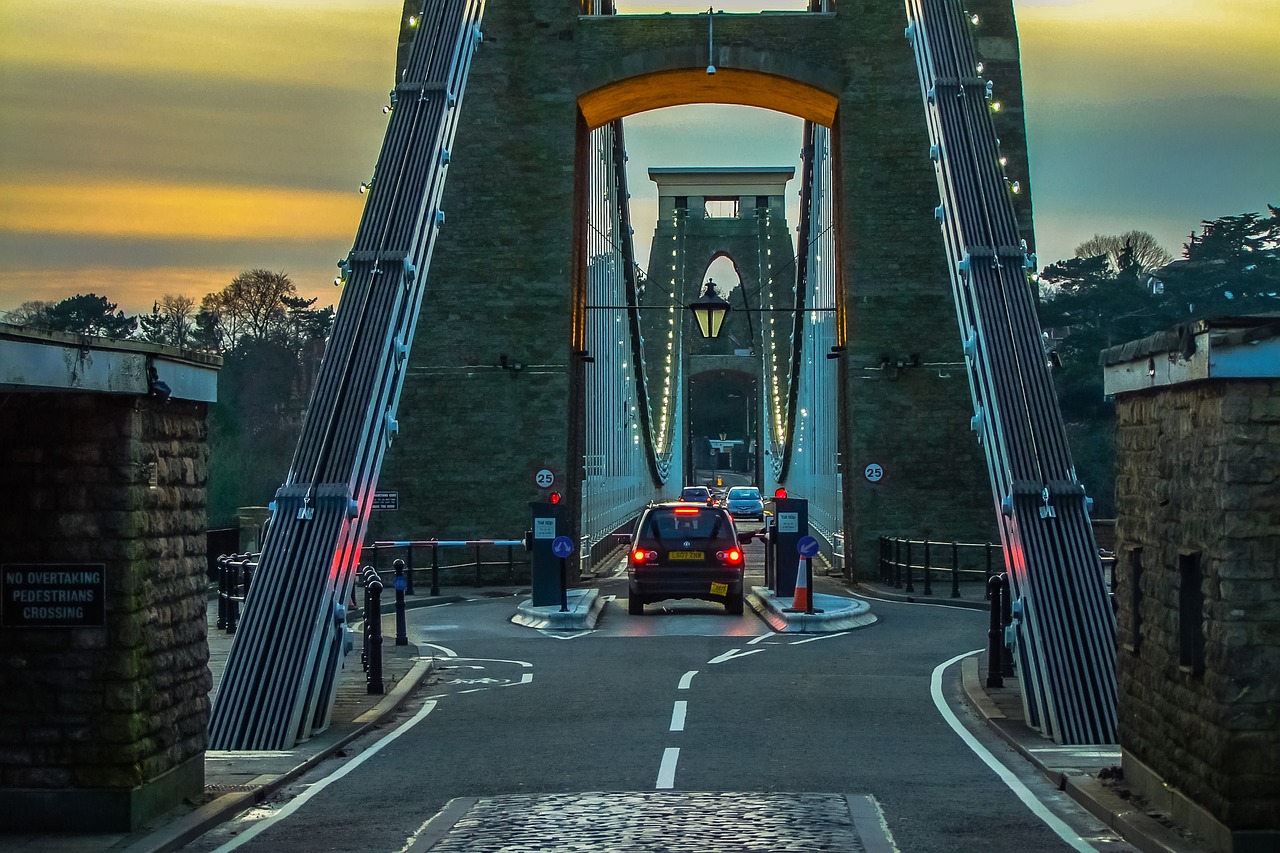
- Watch for New Cameras: Stay alert for updated signage. Especially around Bristol Temple Meads, Clifton Suspension Bridge approach roads, and the revamped Stokes Croft corridor.
Being caught out by new enforcement points can be an expensive headache. Keeping your registration information current is vital since late or misdirected PCNs will not be rescinded due to address errors.
Real-World Experience: Adapting to the CAZ
As someone who has lived in Bristol for over a decade and witnessed the city’s journey from traffic chaos to forward-looking urban planning, these changes are both challenging and promising. While some days feel inconvenient, the visible drop in inner-city smog, and fresher air during my morning jog, are hard to dispute.
Local data released in July 2025 show a 14% improvement in air quality indices around primary school sites compared to the previous year. This aligns with Bristol’s stated goal: protection of vulnerable residents, not just fines for the sake of revenue. The city’s focus remains squarely on sustainable growth rather than punitive action. A balance supported by the most recent reports from the council’s environment and transport committees.
Final Thoughts and Call to Action
Change never comes without bumps along the road. Yes, the bigger fines sting, but the payoff. Cleaner air, better health outcomes, a more liveable city. Feels worth it. For those who call Bristol home, or rely on its streets for work and play, compliance is now a non-negotiable. Take the time to check your vehicle, use alternative routes where needed, and support collective efforts for a city that truly breathes easier.
Staying up to date is key. Council channels and local news sources regularly announce route updates and any tweaks to exemption rules. Don’t get caught on the back foot. Share your compliance strategies with friends and colleagues. Together, our small choices add up to big impact on the streets of Bristol.
Frequently Asked Questions
What vehicles are currently exempt from the Clean Air Zone charges?
Several groups are exempt from charges, including owners of fully electric vehicles, hybrid cars meeting low-emissions standards, blue badge holders, emergency service vehicles, and certain residents with disabled tax class status. Temporary exemptions can be reviewed and extended for eligible categories by contacting the council directly.
How can I check if my vehicle is compliant with the Bristol CAZ?
An official online compliance checker is available via the city council’s website. Enter your registration, and you’ll receive a prompt status update. It’s wise to check before any journey, as enforcement is being actively monitored and penalties are substantial.
Where have new enforcement cameras been installed?
New ANPR cameras have been added on approach roads to Temple Meads, College Green, Hotwells, and prominent border areas like Stokes Croft and Cumberland Basin. High-traffic residential approaches also now include camera coverage, so always check for updated road signage when entering the city.
How can businesses adapt to the stricter Clean Air Zone rules?
Many businesses have adjusted staff shifts, expanded delivery time windows, or invested in upgrading to compliant fleets. Some have shifted to alternative transport modes or engaged with the council to secure temporary waivers. Reviewing logistics and seeking advice from trade associations can help manage the transition smoothly.
What should I do if I receive a penalty charge notice in error?
If you believe a PCN was issued incorrectly, gather all evidence (such as your route, vehicle exemption status, or any correspondence) and contact the council’s appeals process immediately. Timely and accurate appeals are considered by a dedicated review panel. Avoid delaying communication, as unpaid or ignored notices are escalated after the appeal window closes.