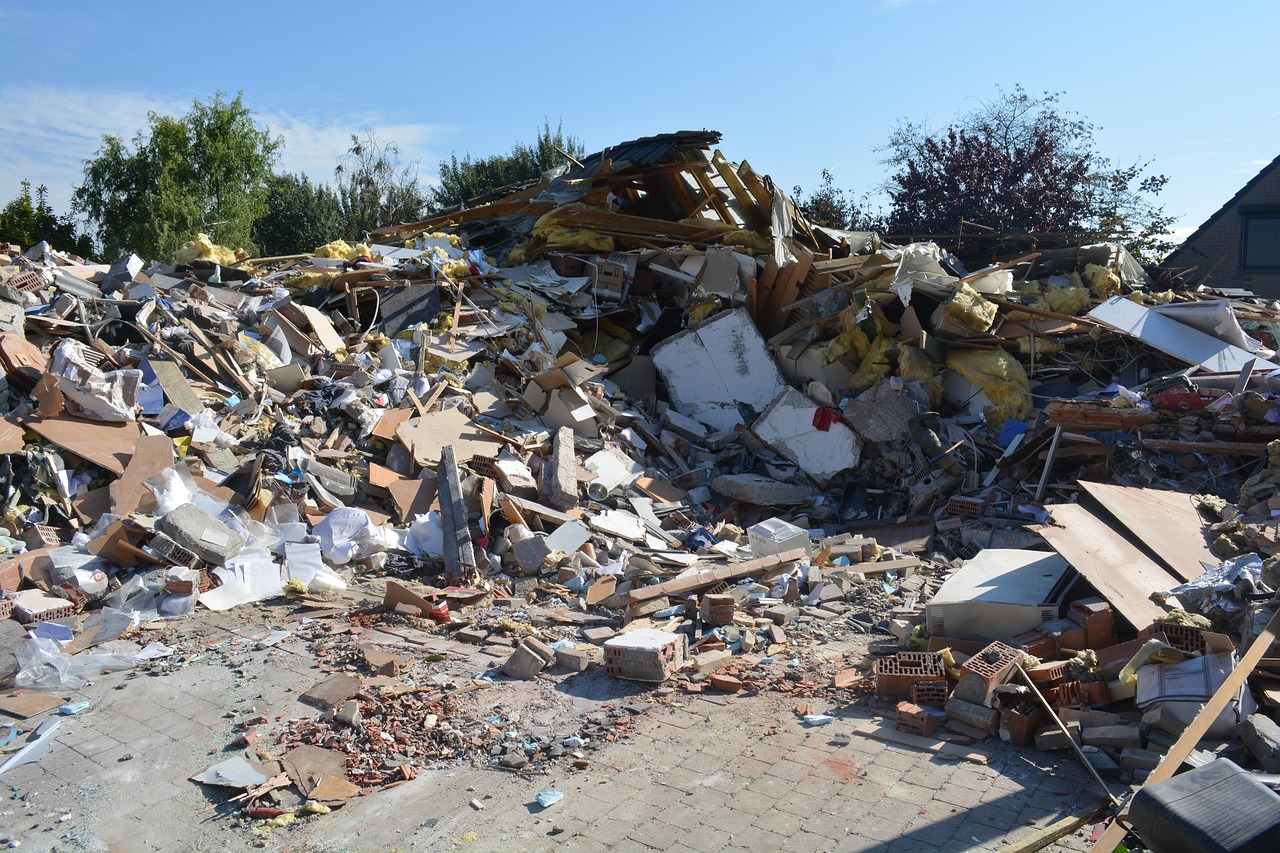
When I first heard the news of the explosion in Yate, my heart dropped. Not just as a professional who’s spent years reporting on safety incidents around Bristol, but as someone who’s seen the real-life impact such events have on families and neighbourhoods. Now, with official confirmation that a domestic gas leak was to blame, the stakes for homeowner vigilance could not be clearer.
Fire Service Investigation: Pinpointing the Cause
This week, Avon Fire and Rescue Service completed an intense examination of the blast site. Their team moved with swift precision, ensuring every detail was accounted for. After sifting through debris and cross-referencing with gas engineers, it’s now confirmed. A domestic gas leak was at the heart of this destructive event.
Investigators ruled out the main external supply as the point of failure. Instead, evidence points to an internal leak within the property. Something that can, and does, happen with aging appliances or unnoticed faults. There wasn’t some obscure, unlikely cause. It’s what professionals encounter in gas safety inspections time and again.
As someone with direct field experience covering major incidents: when an official report comes in this decisive, the goal is always transparency. The fire service hasn’t sugar-coated things. Their spokesperson stressed just how quickly a minor undetected issue can escalate in a domestic setting.
Damage and Community Impact
Walking past Lancaster Road today, you see the aftermath. A house with its roof torn away, windows shattered, and adjacent properties blackened by smoke. According to first response teams, three residents required immediate medical attention, and entire rows of homes were evacuated as a precaution.
The toll isn’t just structural. Residents speak of being unable to access their homes, treasured belongings lost, and the sheer emotional hangover of such a close call. For some, housing may have to be demolished due to irreparable damage, leaving long-time neighbours suddenly displaced.
The scale of disruption reminds me of past events in Bristol. How the shockwaves of an explosion ripple through whole streets, bringing routines to a standstill and people together in unexpected ways. There’s something sobering about seeing a street cordoned off, knowing how quickly life turned upside down for everyone there.
Emergency Services and Utility Company Statements
Avon Fire and Rescue moved fast, coordinating closely with the gas utility company. Both organisations have stated formally that the external gas mains were uncompromised. Their representatives emphasised the professionalism and speed of local response teams, who worked through the night to make the area safe.
First responders and council workers deserve real credit. Not only did they stabilise the site and carry out gas shutoffs, but they also supported residents in immediate need. Offering shelter, first aid, and liaison help with insurers and support services.
Utility companies are once again urging homeowners to never ignore the smell of gas or signs like hissing from pipes or appliances. “If you ever have doubts,” one senior technician has said previously, “call in a qualified engineer or the National Gas Emergency Service right away. Seconds can make a difference.”
Gas Safety Inspections: Essential Guidance
Having covered safety campaigns throughout the South West, I know how complacency can settle in. Let’s be honest. When was the last time most people booked a proactive gas safety inspection? Yet, industry research and safety authorities repeatedly document how often catastrophic leaks result from missed warning signs.
Experts recommend:
- Annual servicing of boilers, gas fires, and hobs by a Gas Safe registered engineer
- Routine checks for unusual smells, damp patches, or sooty marks around appliances
- Installing carbon monoxide alarms as a back-up in living areas and bedrooms
- Keeping ventilation clear. Never blocking air grills or vents, even for winter warmth
For tenants and landlords in the Bristol area, the local council underscores the legal requirement for annual safety certificates. These are not just bureaucratic hoops. They are there to protect lives. Councils have made their inspection guidelines available and urge anyone with concerns to reach out for advice or inspection scheduling.
Community Support and Assistance
In the days following the explosion, South Gloucestershire Council mobilised rapid-response help. This included temporary accommodation, financial aid for urgent needs, and mental health support. Local charities have also stepped up, providing essentials and emotional counselling for those struggling to process the shock.
Repair assistance is available for affected homeowners through council hardship funds and property insurance claims. For residents unable to return home, community liaison officers are working case-by-case to find solutions, whether that means alternative accommodation or coordinated repairs.
Knowing how tight-knit Yate is, it’s no surprise to see neighbours rallying by organising collections, offering food, and lending hands for clear-up efforts. The resilience shown often stands out in the aftermath of distress. An authenticity that can’t be faked.
Final Thoughts
Events like the Yate explosion are stark reminders that the familiar comfort of home comes with responsibilities. Routine safety checks might feel like a chore, but the cost of neglect can be catastrophic. If you take one thing from this, let it be that acting early. Checking appliances, scheduling inspections, and knowing who to call. Can and does save lives.
To everyone affected: support is out there. Whether you need guidance on safety, advice on insurance, or just a sounding board, don’t hesitate to ask. If you’re reading this and haven’t booked a check recently, consider it a prompt. The peace of mind is priceless, and your community counts on it.
Protect your home, check your gas. Help your neighbours, support your street.
Frequently Asked Questions
What should I do if I smell gas in my home?
If you smell gas, turn off the supply at the meter if it’s safe to do so, open windows, and leave the property immediately. Call the National Gas Emergency Service. Do not attempt to find the leak yourself or use electrical switches.
How often should gas appliances be inspected?
Safety authorities and local councils recommend that all gas appliances are checked annually by a Gas Safe registered engineer. This applies to homeowners and is a legal requirement for landlords.
Is financial assistance available for repairs after incidents like this?
Yes, South Gloucestershire Council and various local charities provide emergency relief and repair grants for affected residents. Insurance may also cover damage, so contact your provider as soon as possible.
What are the signs that a gas appliance may be unsafe?
Common signs include yellow flames instead of blue, soot marks, pilot lights going out, excessive condensation, or unusual smells around appliances. Any of these warrant immediate attention from a professional.
How can the community help those affected by the explosion?
Local support initiatives are underway. Ranging from fundraising to providing essential goods. Residents can get involved through council programs and community groups, offering time, donations, or simply reaching out to those impacted.
If in doubt, take the safe route. Get checked, stay informed, and be there for your neighbours.