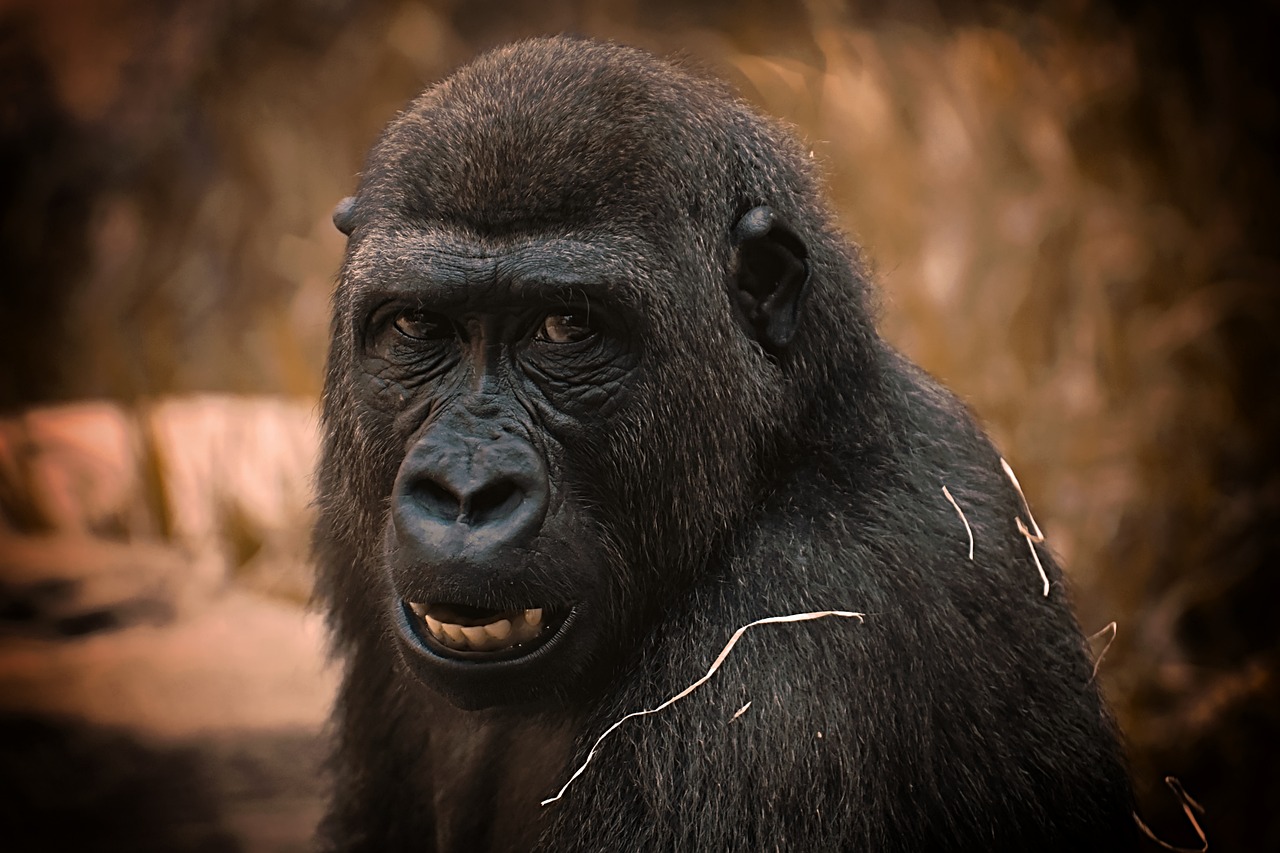
Walking past the old Bristol Zoo Gardens just last week, I couldn’t help but reflect on what that place has meant to locals. My childhood memories of clutching my dad’s hand beside the gorilla enclosure mingle now with headlines surrounding the site’s transformation. The excitement of the original announcement. Promising a world-class conservation hub at the new Wild Place location. Stirred real hope. Yet, new developments suggest this transition has hit some snags, especially regarding key conservation efforts.
Bristol Zoo’s Ambitious Conservation Trajectory
The Bristol Zoo Project was pitched as much more than just a move or facelift. The stated goal has always been ambitious. Integrating innovative zoological exhibits with targeted species rescue, ecological research spaces, and genuine engagement with nature’s most urgent challenges. The plans were publicized as focusing heavily on safeguarding endangered species, supporting local wildlife habitats, and embedding sustainability into every brick and bush.
From day one, leadership at Bristol Zoological Society positioned the conservation plan as central: expanding on their already notable breeding programmes and lending their weight to global animal protection alliances. This multi-phased strategy was set to unfold in sync with the construction and landscaping at the new site. For conservation staff and external partners, the timeline was supposed to deliver parallel progress on public amenities and specialist ecosystems.
Setbacks and Delays. What’s Behind the Slowdown?
Recent weeks have seen mounting concern that portions of the much-vaunted conservation initiative are not progressing on schedule. The biggest stumbling block seems to be around the specialist enclosures required for certain threatened species. Construction delays, supply chain troubles, and prolonged planning consultations have all come into play.
From a professional perspective, such challenges are unfortunately not rare in large-scale ecological projects. In my previous work with wildlife trust redevelopments in South West England, delays often related to balancing strict environmental regulations with practical building constraints. When endangered species are involved, the stakes are even higher; every week of delay potentially impacts their welfare or breeding cycles.
Verified updates from city council reports and project communiques confirm certain phases. Especially those relating to native species conservation zones. Are well behind initial projections. The ripple effects are real. Some key research partnerships with local universities have been unable to access on-site facilities as planned. Meanwhile, certain species earmarked for protected transfer remain temporarily housed in contingency accommodation less suited for long-term conservation.
Public and Council Reaction: Frustration Boils Over
Many Bristolians are voicing disappointment at the perceived lack of transparency. Public meetings over the last month have seen community groups calling for clearer information about the exact status of the site and its environmental commitments. Elected councillors have pressed for public updates, emphasizing the city’s reputation is on the line with this landmark project.
From a policy standpoint, when major city redevelopments run into visible trouble, public scrutiny is both inevitable and justified. Honest, timely updates help preserve trust even when there’s bad news. Here, the drip-feed of information and technical jargon have led to real confusion, and local wildlife advocates feel sidelined from the process.
Environmental Groups Raise the Alarm
Conservation charities and independent ecologists have flagged real worries about the implications for both local wildlife and broader species rescue programs. Research suggests missed breeding cycles or habitat setbacks can have cascading impacts. Some habitats near the project site, home to protected invertebrates and amphibians, have seen less monitoring than originally planned while work is delayed.
A senior zoological researcher, involved in a related South West amphibian program, described delays in ecological projects as a “race against time.” If the right conditions aren’t in place, rare species sometimes can’t be reintroduced on schedule, risking loss of genetic diversity or increasing pressure on wild populations elsewhere.
As someone who previously coordinated urban biodiversity audits in Bristol, I know firsthand how vital persistent, on-the-ground monitoring is. Knowing some sites near the Zoo remain in a state of limbo, with incomplete fencing or disrupted land, raises justified questions about immediate and long-term environmental consequences.
What’s Next for the Project and Stakeholders?
Stakeholders are regrouping to identify practical adjustments. Reports indicate the zoo’s leadership team is reconsidering the project timeline, exploring support from additional conservation partners, and working to expedite critical site work. Several council members are advocating for an independent review to ensure environmental safeguards are maintained.
Transparent, honest dialogue with the community will be key if the project is to recover credibility and meet its stated goals. Drawing on best practices from other urban conservation projects. Like sequential opening of habitats rather than delaying everything until project completion. Could help get some momentum back.
Lessons and Reflections
Projects trying to blend ambitious environmental goals with public engagement are notoriously tough to execute. When things go off track, as is currently the case with Bristol Zoo Project, it’s essential that all involved. Council, experts, and the public. Accept complexity, communicate openly, and hold each other accountable.
I’ve learned from experience that even when plans stumble, resilience and adaptability in a team can lead to better outcomes in the long run. Bristol has a proud history of ecological innovation. With thorough oversight and real commitment to being open with the community, there’s a genuine chance to turn this current rough patch into a platform for long-term conservation success.
Bold projects like this don’t just shape habitats. They shape how we see ourselves as city dwellers, neighbors, and stewards of the local environment. Now’s the time for everyone with a stake in the Zoo’s future to push for concrete updates, real accountability, and renewed urgency on the ground.
Frequently Asked Questions
Is the Bristol Zoo Project still moving forward?
Yes, the main redevelopment is still ongoing, but several conservation-related phases have been delayed. Leadership is actively reviewing ways to get these efforts back on track.
Why did the conservation plan run into delays?
Key issues have included construction supply chain setbacks, extended regulatory consultations, and logistical challenges tied to creating suitable habitats for sensitive species. These are common with complex projects involving both new construction and wildlife management.
How have local species and environments been affected?
Some habitats near the site have seen less maintenance and monitoring than planned, which can negatively impact protected species. Research on biodiversity management highlights the risk of missing key breeding cycles and failing to protect sensitive areas during prolonged redevelopment.
What can the public do to support better transparency and progress?
Residents can attend council meetings, participate in public forums, and voice their concerns directly to project leaders and elected officials. Consistent, constructive pressure is a proven way to drive accountability.
What are the next steps for the conservation plan?
Current efforts are focused on revising the timeline, securing additional partners or funding, and finding ways to open completed habitats sooner rather than waiting for total completion. An independent review may also be on the horizon to ensure commitments are being met.
Real change starts with shared commitment. Now is the perfect moment for all invested parties to double down on making this vital project a success for wildlife and the wider community.