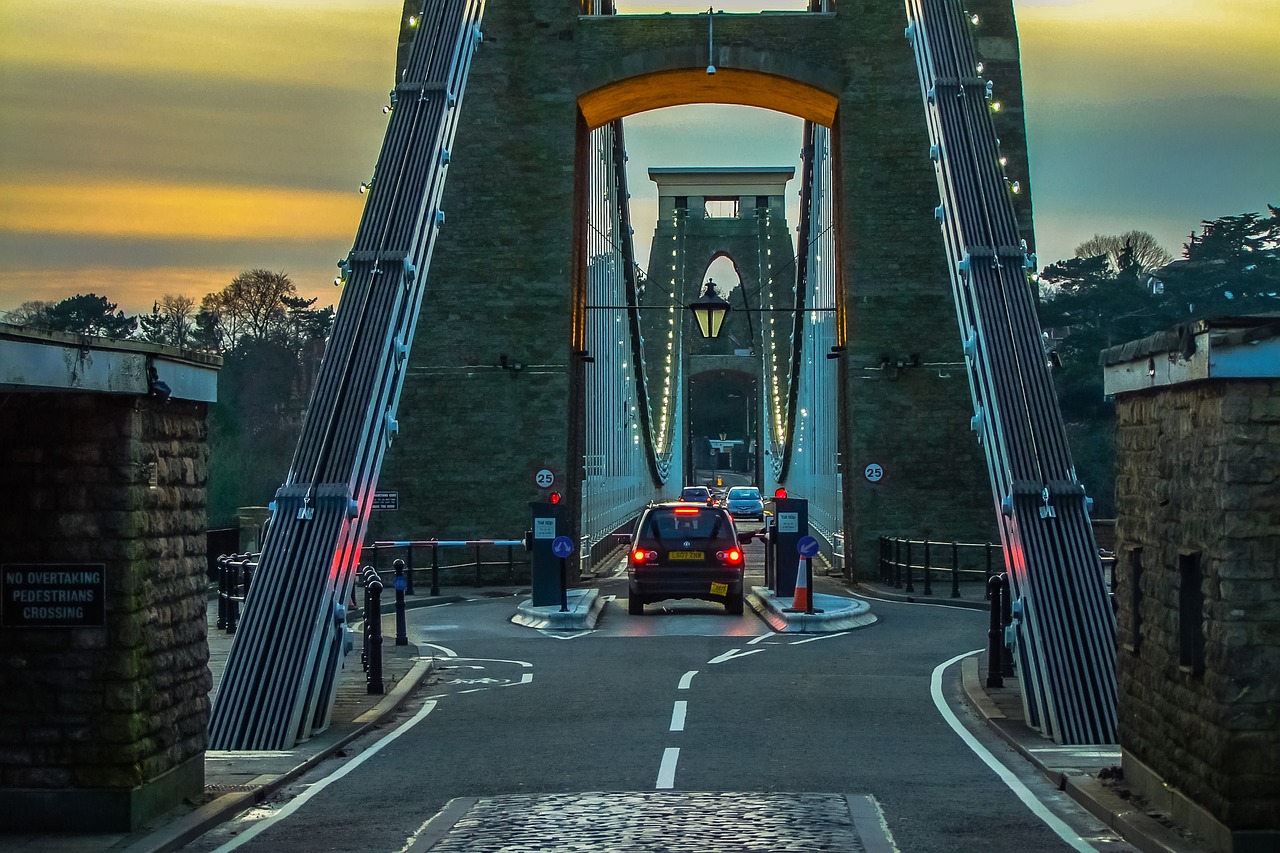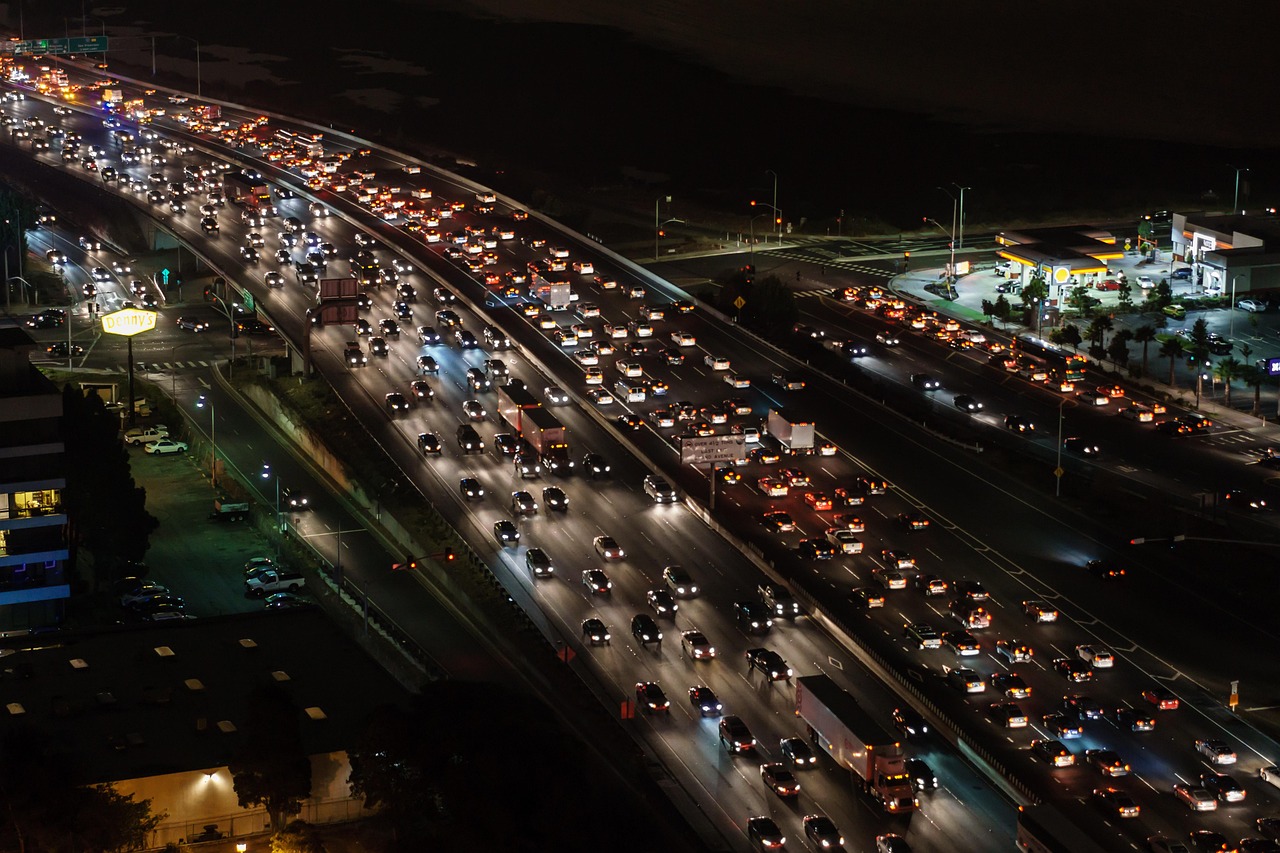
Stuck in traffic yet again on the way through southwest Bristol? Today, the city ground almost to a halt as emergency works on Brunel Way sparked a gridlock that rippled through Hotwells, Ashton Gate, and all the way around the Cumberland Basin. If you were caught up in the mess. Or just want to know what’s really happening beneath the surface. Read on for a detailed look at what brought the city’s roads to a standstill, how officials scrambled to respond, and what lies ahead for everyone who relies on this vital corridor.
What Went Wrong on Brunel Way
Brunel Way, always a key artery for anyone commuting to or from South Bristol, faced a sudden and severe disruption today. Emergency repairs were announced in the early hours, pointing to unidentified but critical flaws in the road’s supporting infrastructure. Engineers on site described a “structural failure” requiring immediate action, compelling authorities to restrict lanes and divert traffic to ensure public safety.
The practical result? Cars, buses, and delivery vans were locked in congestion stretching far past the normal rush-hour bounds. Even seasoned commuters, used to Bristol’s chronic jams, were seeing red. Both at the traffic lights and on their sat navs.
The Ripple Effect. Which Routes Were Hit Hardest
Unfortunately, when a main route like Brunel Way seizes up, the consequences play out all over the map. Hotwells bore the brunt of diverted vehicles, while drivers seeking escape tried their luck through Ashton Gate, only to find frustration waiting there too. The Cumberland Basin interchange became nearly impassable, grinding the early-morning flow to a crawl.
Bus services couldn’t escape unscathed either. Multiple routes faced enforced detours, and some operators warned of “severe delays” with no option but to stack up passengers at key stops. From Temple Meads to Bedminster, public transport lost its usual edge over the car.
How the Council and Highways Teams Reacted
Bristol City Council and highway maintenance teams have emphasized that the emergency. And the disruption. Was truly unavoidable. On-the-ground sources confirm that safety, first and foremost, drove the need for rapid intervention. Public messages from council spokespeople have focused on transparency, sharing real-time updates as quickly as possible via social media and the council’s own alert system.
Highways engineers with years of field experience have had their hands full. According to individuals closely involved with today’s repairs, comprehensive risk assessments are ongoing, and teams are working around the clock to both inspect the failing structure and plan for replacements or reinforcements. The situation has underscored just how precarious aging infrastructure can become. Especially on routes as crucial as Brunel Way.
Alternative Routes and What Commuters Can Do
With traffic conditions shifting by the minute, many commuters found themselves reaching for a “plan B” this morning. If you’re impacted, here are verified tips from transport coordinators and regular city drivers:
- Avoid Hotwells, Ashton Gate, and the Cumberland Basin if possible. Use the M5 or A4174 ring road for wider detours.
- Northbound and eastbound journeys are somewhat lighter via the Portway or local surface roads through Clifton Down, although these too are picking up knock-on congestion.
- Several bus operators are publishing real-time disruption notices. Check your chosen service’s app before you leave.
- For those who can, flexible working or even a shift to cycling or walking might just save your sanity during the worst delays.
How Long Will Repairs Take?
Official statements indicate that this set of emergency repairs will extend through the end of the week, with reassessments scheduled every 24 hours. Structural engineers have confirmed that only necessary work is being carried out, targeting the most urgent risk points first. While a timeline is in place, unpredictability remains, as anything uncovered during repairs might shift estimates.
Experience suggests that, in similar incidents elsewhere in the UK, unexpected infrastructure faults can lead to rapid changes in scope. Sometimes stretching “a few days” into a week or more. Local authorities have committed to providing daily status reports to ease uncertainty.
What Is Being Done to Prevent This Again?
Nobody wants a repeat performance of today’s congestion catastrophe. Bristol’s highways team, collaborating with independent engineering consultants, has already pledged to ramp up routine inspections across the city’s bridges and flyovers. Extra sensors and rapid assessment equipment are being evaluated for rollout on high-traffic structures.
Officials are backing plans for a more transparent alert regime, promising to notify the public earlier when any issues are detected. Even if they don’t require immediate closure. Proposals for infrastructure enhancement funding are making their way to regional authorities, but the wheels of bureaucracy can move slowly, much like today’s morning traffic.
Personal Reflections from the Road
Having spent the better part of the morning weaving through every possible side road between Bedminster and Clifton, I was reminded that Bristol’s traffic problems rarely offer quick fixes. Years of covering city transport have shown that while emergency repairs are a nightmare for commuters, preemptive and well-coordinated action is always the lesser evil. My conversations today with both fellow drivers and bus staff made one thing clear: the frustration is real, but the desire for long-term improvements is even greater.
Frequently Asked Questions
Which areas are worst affected by the Brunel Way emergency repairs?
The most significant impact is felt in southwest Bristol, especially along Hotwells, Ashton Gate, and across the Cumberland Basin. Diversions and congestion have spread delays into other nearby neighbourhoods.
What caused the need for emergency repairs on Brunel Way?
Engineers discovered a structural failure that posed immediate safety risks. The exact nature of the fault is still being investigated, but it was serious enough to require urgent lane closures and re-routing of traffic.
How long are the repairs expected to take?
Current expert estimates point to the end of the week for initial repairs, with daily checks in place in case more structural issues are discovered. Timelines may shift depending on what engineers uncover during ongoing work.
Are public transport services being affected?
Multiple bus routes are experiencing detours and substantial delays, particularly during peak hours. Service operators are providing live updates to help passengers plan alternative routes.
What steps are being taken to prevent future emergencies like this?
Bristol’s highways teams are increasing the frequency and scope of inspections on bridges and major roads. Discussions are underway for further investment in monitoring and quicker public alerts, aiming to catch problems before they escalate.
Sure, today’s events have tested everyone’s patience, but they’ve also hammered home the need for robust, forward-thinking investment in Bristol’s infrastructure. The road ahead might be bumpy for now, but clearer, safer routes could be just around the corner. If you’re stuck in this evening’s rush, take heart. You’re not alone, and better days are within reach. Stay tuned for updates and let your voice be part of the city’s push for lasting solutions.