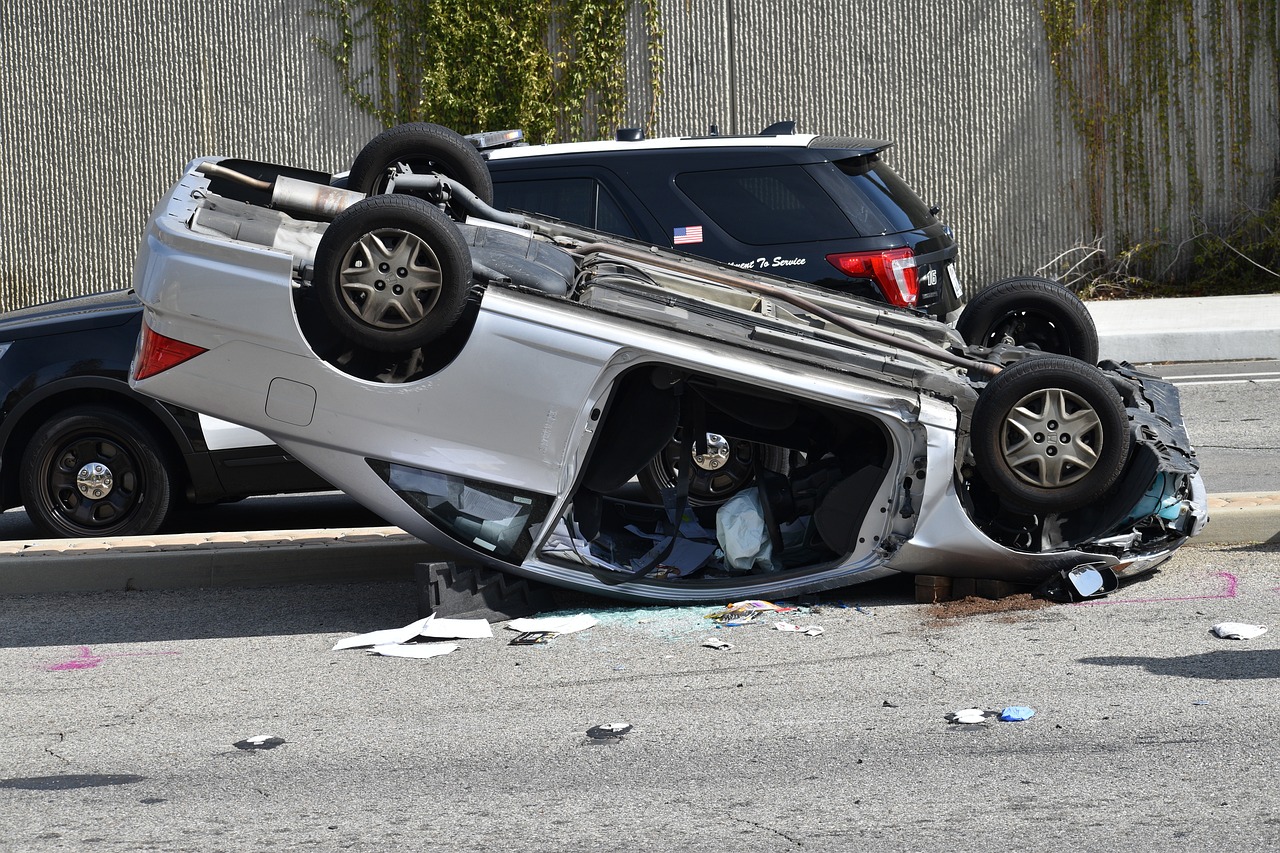
Tension remains high in the aftermath of the school bus crash on the A396 near the outskirts of Bristol, with local officials, parents and safety advocates openly voicing their concerns about what unfolded on 17 July 2025. As details continue to emerge, one resounding theme has surfaced. The emergency response is under sharp scrutiny, both for its timing and its effectiveness.
Timeline of the Emergency Response
Reports confirmed that the incident occurred in the early afternoon, with a bus carrying schoolchildren on a day trip leaving the road. Several passengers were trapped as a result, prompting the declaration of a major incident. Emergency crews. Including paramedics, fire, and police. Were dispatched to the remote section of the A396.
Notably, there were distressing delays. Initial accounts indicate that it took several minutes for the first 999 call to translate into actionable coordination, particularly as multiple agencies had to cover significant rural distances. For parents, every minute felt agonisingly long, countless of whom learned of the incident via social media before receiving any official confirmation.
Ambulances and firefighters arrived on the scene in stages, rather than in a fully synchronised manner. The process of freeing trapped children was marked by reports of equipment shortages and congested access due to narrow country lanes, further impeding swift action.
Concerns From the Community and Officials
The criticism was swift and serious. Parents at the scene expressed their dismay at not only the wait but the lack of clear, unified information from authorities. Many local councillors echoed these frustrations; one described the response as “patchwork,” highlighting the lack of a single command structure during the initial hour.
Several families relayed stories of confusion. Some waiting at the crash site for updates, others anxiously calling schools and hospitals for reliable information. In conversations with area officials, concerns were raised not just about response times, but also about the adequacy of communication channels between emergency services and civilians.
Emergency Protocols: How Does Bristol Measure Up?
Having worked in emergency preparedness for over a decade, I’ve seen robust incident protocols in operation across UK cities. Bristol and Somerset, like most local authorities, follow well-established frameworks for road-traffic incidents and school transport emergencies. These protocols are designed to ensure rapid multi-agency collaboration, with a lead agency quickly taking command and disseminating instructions.
However, as the A396 incident shows, even a well-drilled system can falter under the weight of unpredictable circumstances or resource constraints. Narrow rural roads. Common across the West Country. Create logistical bottlenecks. Advanced coordination technology, while present in city centres, may lag in less populated zones. It’s one thing to draft protocols in the comfort of an office; it’s another to execute them when children’s safety is at stake and information flows are muddled.
What the Experts Say
National safety authorities have already identified Somerset as a region with greater risk factors for bus and coach transport. Speaking with colleagues involved in school transport safety, some pointed out that while the physical infrastructure of buses meets high standards, the preparedness of first responders can’t be underestimated.
Research from 2024 documented increased incident survival rates when local agencies undergo regular, realistic scenario drills specific to school bus emergencies. On this point, feedback from emergency planning experts suggests that Somerset and North Somerset, though improving, still lack the frequency of such drills observed in larger metropolitan counties.
One well-regarded emergency medical advisor suggested that further investment in rural rapid-response vehicles and mobile command units could have made a telling difference on the A396. Policy reviews after the incident are expected to scrutinise not just the speed of arrival, but the interoperability of digital communications between all emergency teams.
Challenges of the Day
It’s easy, after any emergency, to pick apart the sequence of events with the clarity of hindsight. But having personally coordinated response teams during major traffic accidents, I know that high-stress situations invite error or delay, especially with the added pressure of protecting children.
Key lessons from days like this:
- Local geography matters: Rural incidents are invariably hampered by access, with even the best teams struggling against single-lane roads or hard-to-locate crash sites.
- Communication breakdowns are common during multi-agency responses, particularly when incidents cross jurisdictional boundaries.
- There’s often a gap between policy and practice. One which routine joint exercises can help to bridge.
Looking Ahead: Will Policy Change?
Safety reviews are already underway. Momentum is building for changes in school transport protocols, with parents and local leaders calling for both more stringent bus route assessments and investment in enhanced emergency response tools for rural Somerset and North Somerset. Early indications suggest authorities may introduce:
- More frequent rural incident drills involving schools, transport operators, and first responders
- Improved information-sharing systems to give families updates faster and more reliably
- A review of vehicle safety standards, focusing on the unique challenges of winding country roads
Based on firsthand experience, meaningful improvement comes when lessons aren’t just acknowledged but acted upon. It’s an uncomfortable truth that change in public safety standards often follows in the wake of crisis, not anticipation.
Voices Rooted in Experience
As someone who’s worked alongside emergency crews and witnessed the enormous responsibility shouldered by all involved, I can vouch for their dedication under pressure. Yet, I also believe that public criticism can fuel necessary review. Without accountability, the same weaknesses persist, only pausing until the next incident.
If there’s any certainty in the turmoil that follows a high-profile crash, it’s this: families want answers, not platitudes. They want to know that their concerns, frustrations and lived experiences are not being brushed under the carpet. They have every right to demand more, and so should we all.
Let this not be just another news cycle. It’s a chance to reimagine safety for every child stepping onto a school bus in the West Country.
Frequently Asked Questions
What caused the school bus crash on the A396 near Bristol?
Investigations are ongoing, but early reports indicate that the bus left the road during a return from a school outing. Weather, road conditions and mechanical issues are being considered by authorities, though no official cause has been confirmed at this time.
How long did it take for emergency services to arrive at the scene?
Local sources confirm that multiple emergency agencies arrived in stages, with notable delays due to road access and the need to coordinate between different services. Minutes felt much longer given the circumstances, especially as families waited for updates.
Are emergency response protocols different for rural and urban areas?
Yes, rural environments often bring added complexity. Longer response times, congestion on single-track lanes, and potential lapses in digital communications. Urban areas tend to have denser emergency resources and faster multi-agency integration.
Will there be policy changes after this incident?
Feedback from local officials and national safety bodies indicates a review is underway, focusing on both protocol effectiveness and the delivery of real-time information to families. Early calls for reform are centred on joint drills, better communication, and more investment in emergency resources.
What support is available for affected students and families?
Schools in the affected area have activated wellbeing teams, with psychological support and guidance being provided. Local authorities have committed to transparent ongoing communication for families directly impacted by the crash.
Today’s events underscore the reality that safeguarding children’s journeys to and from school demands constant vigilance and community engagement. Everyone involved. Families, educators, responders. Plays a crucial role in raising the standard and ensuring lessons from hard days translate into action. Reach out to your local authority, participate in safety forums, and keep demanding better. Because when it comes to the welfare of our young people, no improvement is ever too much.