New proposals for a residential estate in Brislington have set the neighbourhood abuzz, igniting a wave of concern among local residents. These plans, brought forward by a well-known developer, aim to introduce hundreds of new homes on the green fields bordering the community. For many who’ve made Brislington their home for years, this isn’t just a planning application – it’s a potential turning point in the character and viability of the area.
The Proposed Scheme: What’s on the Table?
The outlined scheme includes a mix of houses and apartments geared primarily toward first-time buyers and families. According to official documents, the development seeks to address Bristol’s pressing housing shortage, offering affordable options within reach of key transport links. There are promises of green corridors, play areas, and cycle paths integrated into the estate design, ostensibly softening the blow of losing open space.
Having attended community presentations for planning proposals in various Bristol suburbs in my professional capacity, I’ve seen firsthand that such claims can be both encouraging and divisive. While some appreciate the intention behind “affordable homes” and new facilities, others interpret them as a veneer, masking more problematic consequences.
Public Response: Strong Sentiments and Clear Voices
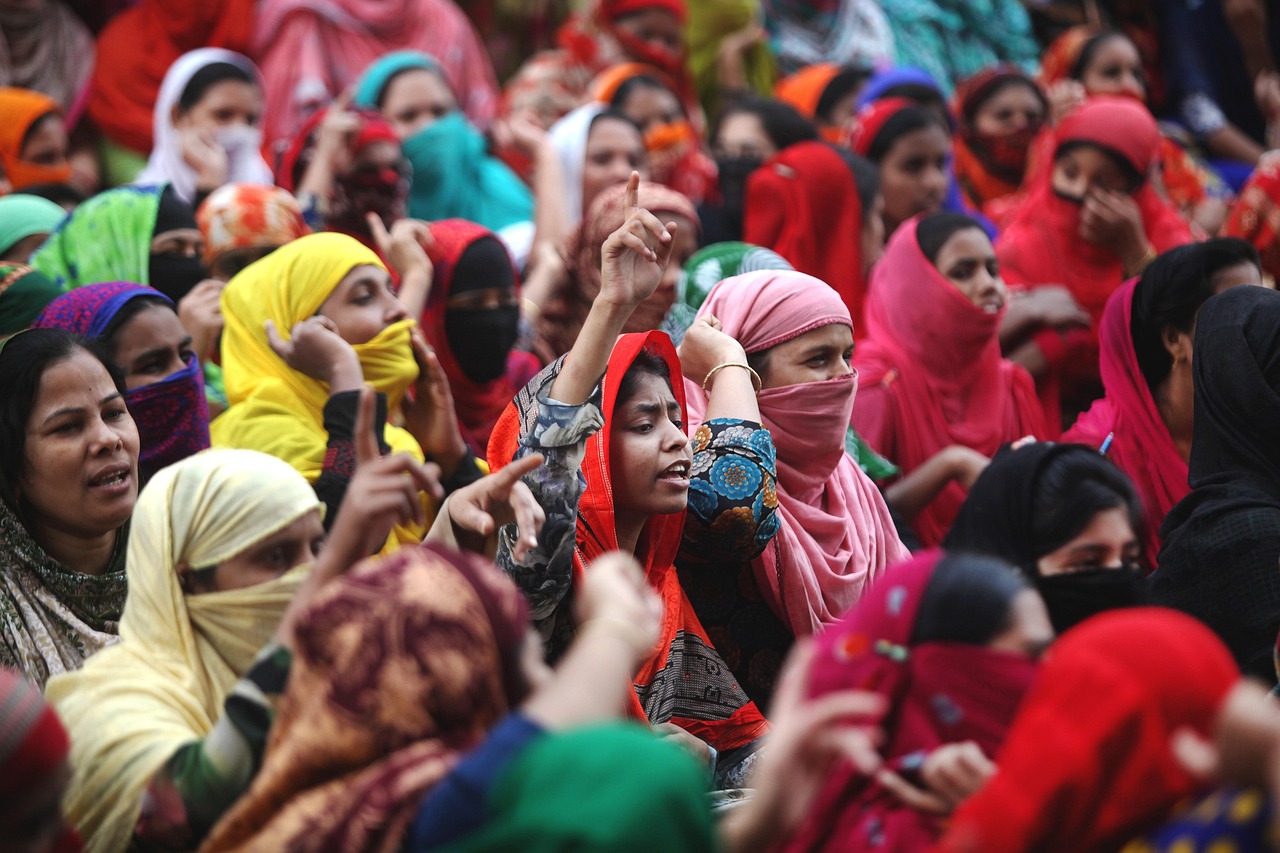
Local sentiment has been unmistakable – residents are worried. At recent public meetings, participation was high; people voiced anxiety about traffic congestion, insufficient school places, and the loss of one of the few remaining green lungs in the area. For families who regularly walk their dogs or enjoy Sunday picnics on these fields, their value can’t be easily quantified.
In numerous planning disputes I’ve followed, objections often center around change itself, but in Brislington, the pushback seems rooted in specific, practical concerns. It’s not just nostalgia speaking; there’s genuine worry about gridlocked commutes and increased pollution.
Council and Developer Response
Bristol City Council has acknowledged the strong reaction, confirming that all feedback is being carefully considered prior to any formal approval. Planners insist the application process remains open and transparent, leaning on established guidelines for community consultation. Meanwhile, developers have stated they’re committed to working with stakeholders to address issues from traffic management to biodiversity.
Drawing from past experience with similar schemes, developer “flexibility” often means attempts to tweak layouts or promise extra landscaping rather than fundamentally altering the project’s scope. Council balancing acts aren’t easy, especially when the city as a whole faces a severe housing shortfall.
Environmental Impact: Green Space and Wildlife
A chief point of contention is the estate’s impact on local ecology. The targeted fields support a patchwork of natural habitats, home to nesting birds, hedgehogs, and wildflowers. Conservation advocates and amateur naturalists alike have submitted documented species lists and photographic evidence to bolster their case.
While it’s routine for site appraisals to identify “mitigation measures” – from bat boxes to wildlife corridors – scepticism persists. Research from national planning case studies suggests such solutions rarely replace the value of undisturbed, established ecological sites. Losing these green spaces means more than just a visual change; it risks breaking the fragile thread that connects neighbourhood, nature, and wellbeing.
Community Alternatives and Proposals
It hasn’t all been pushback. Some residents have channelled their frustration into constructive action, putting forward thought-out alternatives. Suggestions include focusing development on brownfield sites, converting empty commercial properties, or improving existing housing stock. Several local organisations have drafted proposals that emphasise sustainability: retaining a larger proportion of open space, boosting tree cover, or even establishing a new public park as a planning condition.
From previous local campaigns I’ve observed, rallying behind alternative schemes can significantly influence final outcomes, especially when supported by robust data and legal expertise.
The Road Ahead: Next Steps and Uncertainties
Right now, the council’s planning department is reviewing feedback and consulting statutory bodies – the Environment Agency, local wildlife trusts, and traffic consultants. Any approval isn’t guaranteed; projects of this scale often undergo several revisions before receiving the green light, if at all. Planners have committed to another round of stakeholder meetings before a final decision.
The air in Brislington remains thick with uncertainty. As an observer with years spent in community planning roles, I recognise the tension: the need for new homes competes with the desire to preserve what makes a neighbourhood unique. Finding common ground is never easy – especially where values, not just numbers, are at stake.
New developments should answer both urgent human needs and the call to protect our environmental heritage. Any decision made here will echo long into the future, shaping the Brislington that future generations inherit.
Frequently Asked Questions
What is the timeline for the Brislington housing development decision?
Council officials are still reviewing objections and expert reports, with a final planning committee vote expected in the coming months. Timelines can shift, especially if the developer submits amendments or appeals.
Will current traffic and transport issues be addressed if the development goes ahead?
Traffic impact studies form part of the planning process, and the developer has pledged improvements like expanded bus stops and new cycle paths. However, past cases show that local congestion sometimes increases despite these measures.
How have environmental concerns been incorporated into the plan?
The developer’s proposals include wildlife corridors and additional planting, but independent ecologists and campaigners have said these don’t match the quality or biodiversity value of the sites they’d replace.
Are brownfield sites being considered as alternatives for new housing?
Many residents and campaigners have advocated strongly for brownfield-first approaches, urging the council to focus on previously developed sites. The official response has acknowledged these preferences but maintains that greenfield developments remain under consideration due to the scale of demand.
Can residents still influence the outcome?
Yes, public input at this stage is still vital. Submitting formal objections, attending council sessions, and supporting alternative proposals all contribute to shaping the final outcome. Community campaigns have prompted significant changes to developments in past Bristol cases.