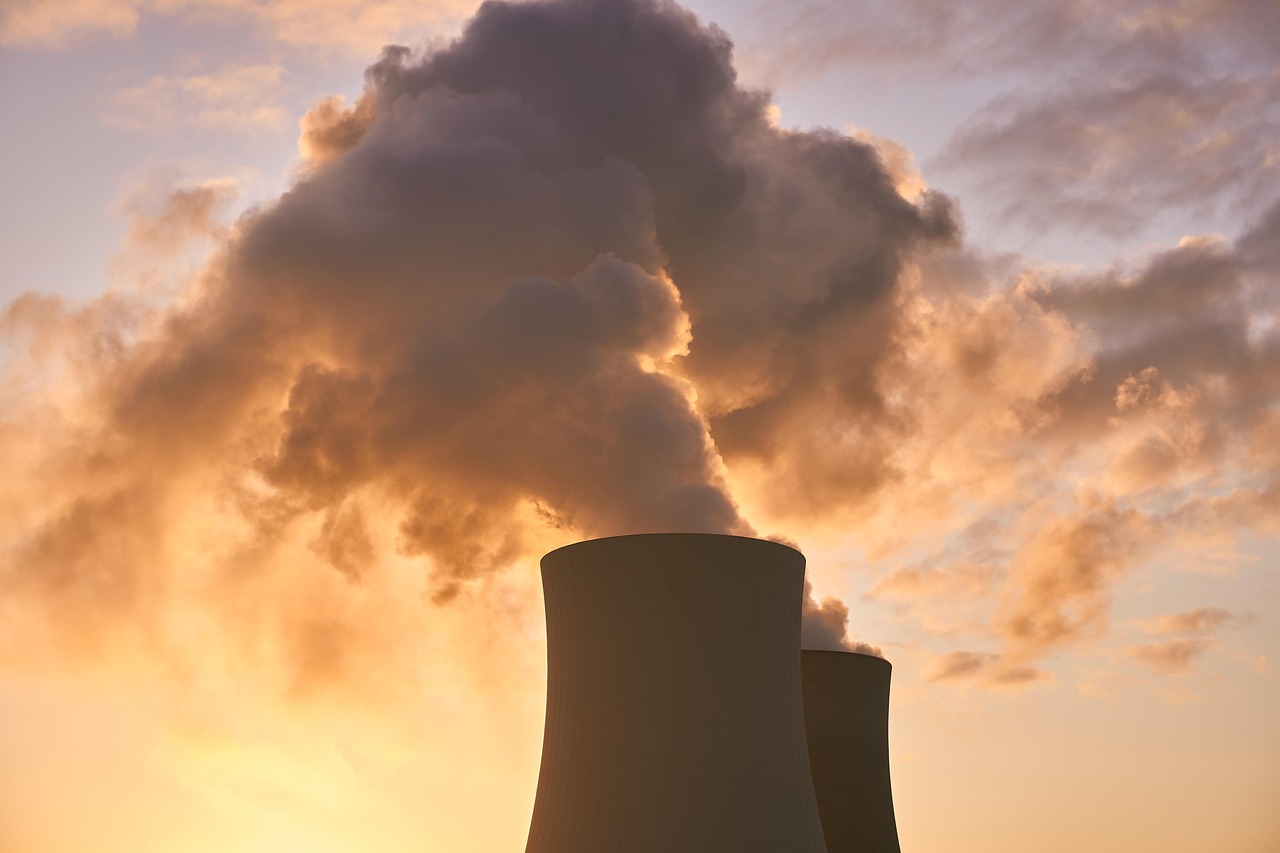
Strike at Hinkley Point C Ends After Supervisor Removed
The recent industrial action at Hinkley Point C in Bristol has come to a close following the removal of a supervisor who was at the centre of worker grievances. This development marks a significant moment for the workforce involved in one of the UK’s landmark infrastructure projects, highlighting the ongoing challenges within large-scale construction sites, especially those tied to critical national energy initiatives.
Background: The Importance of Hinkley Point C
Hinkley Point C stands as a pivotal project in the UK’s energy future. As a nuclear power station development, it is designed to provide a reliable, low-carbon electricity source that will serve millions of homes over the coming decades. The project symbolizes a major investment in infrastructure intended to bolster the UK’s energy security and transition towards sustainable power generation.
Given its scale and complexity, the site employs thousands of workers, spanning both direct hires and numerous supply chain contracts. The workforce is a vibrant community essential not only to the construction timeline but also to maintaining safety and quality standards integral to nuclear projects.
Details of the Strike Action
Workers, particularly those within the supply chain, recently initiated a strike against the management of Hinkley Point C. Their central concerns involved allegations of bullying and unfair treatment emanating from supervisory staff, which escalated tensions on site. While the workers’ broader demands touched on fair pay and respectful working conditions, the immediate trigger was the behaviour attributed to a particular supervisor.
The strike was described as a wildcat action, indicating it was organised independently of official union channels. This spontaneous response underscored the depth of employee frustration, especially given that union recognition on-site has not always strongly supported such direct action.
Management’s Response and Resolution
After several days of walkouts and disruption, the company managing Hinkley Point C responded decisively by removing the supervisor accused of bullying. This step was acknowledged as critical in defusing the situation and paving the way for workers to return to their duties while the allegations await formal investigation.
The supervisor’s removal serves as a clear message that management is committed to addressing worker concerns seriously. It is an attempt to restore trust and rebuild the collaborative environment necessary for the project’s success.
Impact on Timeline and Community Workforce
Strikes of this nature carry the inherent risk of delaying a project whose timeline is already under close scrutiny. While the duration of the walkout was relatively short, any disruption can ripple through schedules, potentially increasing costs and affecting subsequent work phases.
Moreover, the dispute spotlighted the pressures faced by workers, many of whom have not received cost of living pay rises for years. The morale and wellbeing of this workforce are crucial, and such events put the spotlight on the importance of fostering a healthy working environment beyond mere compliance.
Local communities closely watch the progress of Hinkley Point C, with many jobs tied to the development supporting regional economies. Ensuring a respectful workplace is not only ethical but pragmatic, maintaining community support and workforce stability.
Reactions from Unions and Preventative Measures
Trade unions such as Unite and the GMB have maintained a cautious stance regarding the strike. Their muted response contrasts with the direct action taken by the workers themselves, suggesting complexities in industrial relations at the site.
Looking ahead, the focus will be on implementing preventative measures to avoid recurrence. This includes enhanced training for supervisors, clearer grievance mechanisms, and possibly more robust engagement between management and union representatives to ensure that worker voices are heard before tensions reach breaking point.
The experience at Hinkley Point C acts as a reminder that large infrastructure projects must balance operational demands with humane management practices. Only through such balance can investments in vital infrastructure translate into sustainable success for all stakeholders.
Understanding the dynamics at Hinkley Point C sheds light on the broader challenges of managing large workforces where stakes are high and expectations even higher. The hope is that this episode will lead to lasting improvements in workplace culture, benefiting both workers and project outcomes.
Reflecting on Worker Wellbeing and Support Options
While the event at Hinkley Point C highlights industry challenges, it also brings to mind the broader theme of worker wellbeing in demanding environments. In parallel, related industries emphasize the importance of restorative practices to support stress relief and physical health for those involved in strenuous labour.
For example, luxurious spa packages including relaxing massages, facial treatments, and therapeutic rituals are popular ways to rejuvenate physically and mentally after intense work periods. Facilities offering such care provide services like full body massages using Mediterranean essential oils, lymphatic body brushing, and specialized aromatherapy treatments that promote relaxation and muscle recovery.
Although the setting is quite different, the principle remains relevant: supporting workers with adequate recovery and respect can enhance morale and productivity. Ensuring health and wellbeing is not an afterthought, but integral to sustaining a committed workforce in projects as critical as Hinkley Point C.
What Can Be Learned from This Incident?
The swift resolution achieved by removing the contentious supervisor indicates that management recognizes the value of addressing workplace culture issues head-on. However, the situation points to a need for continual vigilance and proactive management.
Friendly and respectful working relationships foster the kind of environment where safety, efficiency, and innovation thrive. All vital components in nuclear power plant construction. Workers empowered to raise concerns without fear of retaliation contribute to a culture of transparency.
Industrial disputes, while disruptive, can serve as catalysts for meaningful change if addressed constructively. The lessons from Hinkley Point C urge other large projects to monitor supervisory conduct closely, maintain open communication channels, and prioritize worker dignity alongside technical and operational goals.
As the UK continues to develop infrastructure critical to energy security, taking care of the human element within these ventures will assure that progress is not just measured in megawatts but in the well-being of those who contribute daily towards these achievements.
A Closer Look at Hinkley Point C and Its Workforce
Hinkley Point C employs a vast workforce, many of whom are subcontracted via supply chains. The strikes highlighted that these supply chain workers sometimes feel overlooked, especially concerning pay and working conditions. Reports suggest that some have not received cost of living increases for several years, fueling frustrations that contributed to the industrial action.
Ensuring fair pay and respectful treatment across all tiers of the workforce remains a priority. Rising living costs affect workers profoundly, and feeling valued and heard can prevent disputes from escalating.
The Broader Importance of Supervisory Roles
Supervisors hold significant sway over worksite atmosphere and safety. Their leadership style influences morale and the adherence to strict standards required in nuclear facility construction.
The incident points to the powerful impact that a single supervisory figure can have on workforce dynamics. Training supervisors in emotional intelligence, conflict resolution, and effective communication could mitigate future risks.
Moving Forward: What Might Change?
The company at Hinkley Point C is likely reviewing its management practices and grievance processes. Improved training, transparent feedback loops, and stronger union collaboration will be essential.
Engaging the workforce proactively helps catch concerns early. Encouraging open dialogue and fostering safe spaces for expression benefit workers and management alike.
In complex projects where safety and precision are paramount, ensuring that everyone on site feels respected is non-negotiable. The lessons learned are applicable across the industry and might help shape future best practice guidelines.
Final Thoughts
The end of the strike at Hinkley Point C following the removal of the supervisor encourages optimism that the project can progress without further labour disruptions. Yet, it serves as a powerful reminder of the need for continuous attention to workplace culture.
As the UK moves forward with critical infrastructure, balancing technological advancement with fair, empathetic management will be key to successful, sustainable outcomes for the entire community involved.
Frequently Asked Questions
What was at the heart of the strike at Hinkley Point C?
The strike was primarily triggered by allegations of bullying by a supervisor, alongside broader concerns about fair pay and respectful treatment of supply chain workers.
How did management resolve the strike?
Management responded by removing the supervisor accused of bullying, which helped end the walkouts and allowed workers to return while investigations continue.
What impact did the strike have on the project timeline?
Though relatively short, the strike risked causing delays to a tightly scheduled major infrastructure project, emphasizing the need to maintain workforce harmony.
How are worker concerns being addressed moving forward?
The company is expected to implement enhanced supervisory training, improve grievance processes, and foster stronger worker-management communication to prevent future conflicts.
Why is workforce wellbeing important on projects like Hinkley Point C?
Workforce wellbeing directly influences safety, productivity, and project success. Supporting workers respectfully helps maintain morale and reduces risks, critical in complex projects such as nuclear power plant construction.