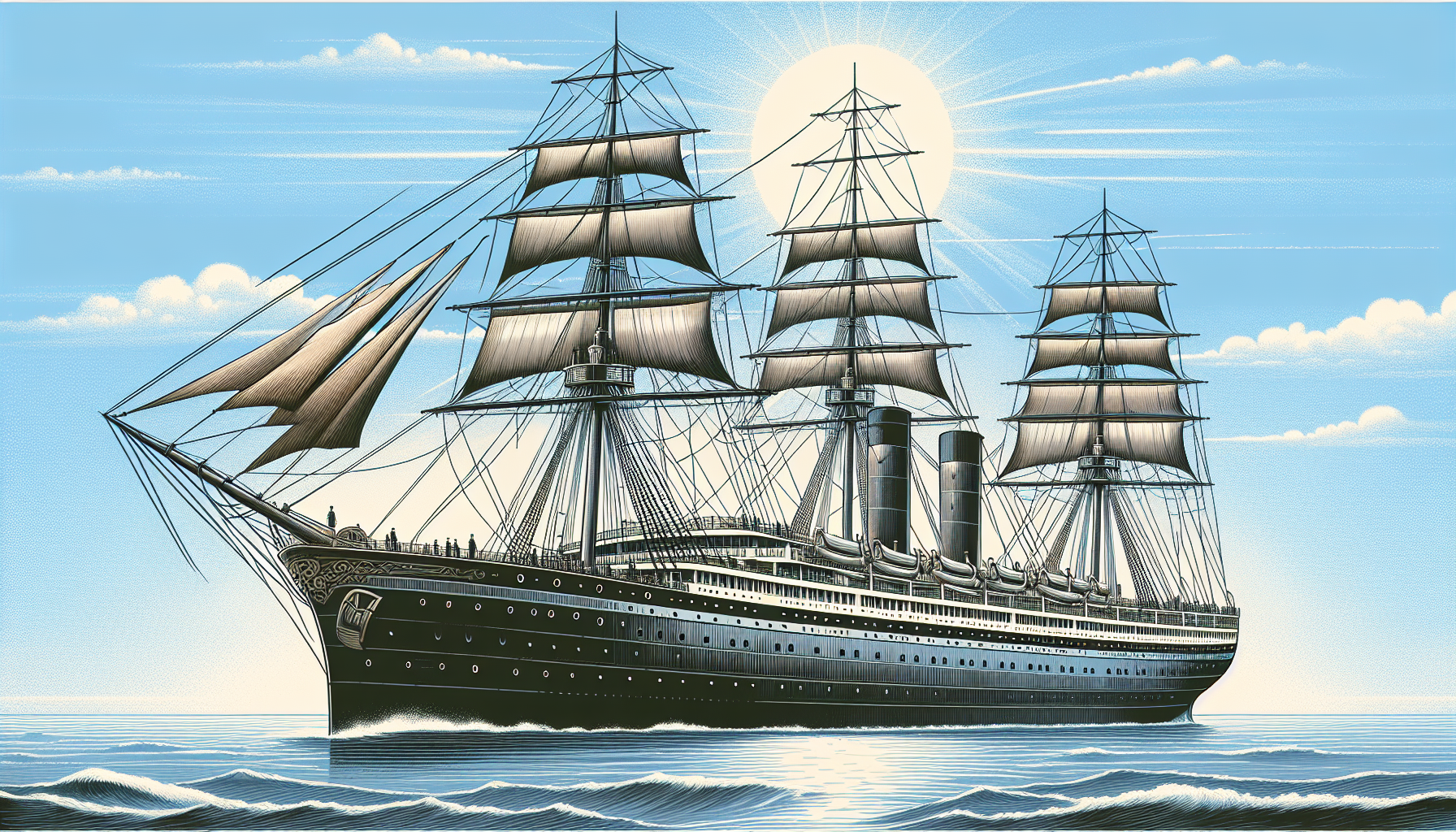
Isambard Kingdom Brunel wasn’t just a brilliant engineer; he was a visionary who reshaped transportation. Among his many achievements, the SS Great Britain stands out as a game-changer in maritime history. This wasn’t just another steamship. It was a revolution on water, an iron giant that set the stage for modern ocean travel.
A Ship Like No Other
Before the SS Great Britain, ocean travel was a slow, often treacherous affair. Wooden ships powered primarily by wind dominated the seas, making journeys unpredictable. Brunel had other ideas. Instead of wood, he opted for iron. An audacious move at the time. He didn’t stop there; he also equipped the ship with a screw propeller rather than traditional paddle wheels, improving efficiency and reliability.
Launched in 1843, this colossal vessel was the largest in existence. Imagine the awe of onlookers as they witnessed this iron leviathan taking to the water for the first time. Its cutting-edge design meant it could carry passengers faster and more comfortably than ever before. Suddenly, long voyages across the Atlantic weren’t just for the hardy and the wealthy. They were becoming a reality for many more travelers.
The Impact on Travel
The SS Great Britain didn’t just amaze shipbuilders and engineers. It changed everything for passengers too. Gone were the days of solely relying on the wind and uncertain arrival times. With its powerful steam engine, this ship brought an unprecedented level of speed and reliability to ocean crossings.
Passengers enjoyed a smoother ride, better accommodations, and a newfound sense of security. Traveling for business, emigration, or adventure became more feasible. This ship played a pivotal role in shaping the future of international travel, especially routes between Britain and Australia.
“It was ahead of its time,” maritime historian Dr. Helen Doe once remarked. “Brunel’s innovations laid the foundation for the modern ships we see today.”
A Legacy That Endures
Like any great pioneer, the SS Great Britain had its share of struggles. After decades of service. Including time as a passenger liner, a cargo ship, and even a floating warehouse. It was abandoned in the Falkland Islands. But even this wasn’t the end of its journey.
In 1970, the vessel was rescued and brought home to Bristol, where it now rests as a museum ship. Visitors can walk its decks, explore the engine room, and step back into a world transformed by Brunel’s genius. Standing aboard, it’s impossible not to admire the sheer ingenuity behind its creation.
For those with even the faintest interest in history, technology, or travel, seeing the SS Great Britain in person is a must. It serves as a reminder of how one visionary dared to push boundaries. And in doing so, altered the course of history.
Frequently Asked Questions
Why was the SS Great Britain such a groundbreaking ship?
The SS Great Britain was revolutionary because it was the first large iron-hulled ship powered by both a steam engine and a screw propeller. This combination made it faster, more efficient, and more reliable than traditional wooden sailing ships.
What happened to the SS Great Britain after it was no longer in use?
After decades of service, the ship was abandoned in the Falkland Islands in the 1930s. In 1970, it was painstakingly recovered and transported back to Bristol, where it underwent restoration and was converted into a museum.
Can people still visit the SS Great Britain today?
Yes! It’s now a major attraction in Bristol, UK. Visitors can explore the ship, its interactive exhibits, and even go below deck to see how passengers and crew lived during voyages.
How did Brunel’s innovations influence modern shipbuilding?
Brunel’s use of iron hulls and screw propulsion set new engineering standards. Today’s modern vessels, including cruise ships and cargo carriers, owe much to these innovations.
Was the SS Great Britain ever involved in any major historical events?
While it wasn’t a warship, it played a significant role in global travel and trade. It carried thousands of emigrants to Australia, transported troops during wartime, and set the standard for future transatlantic travel.