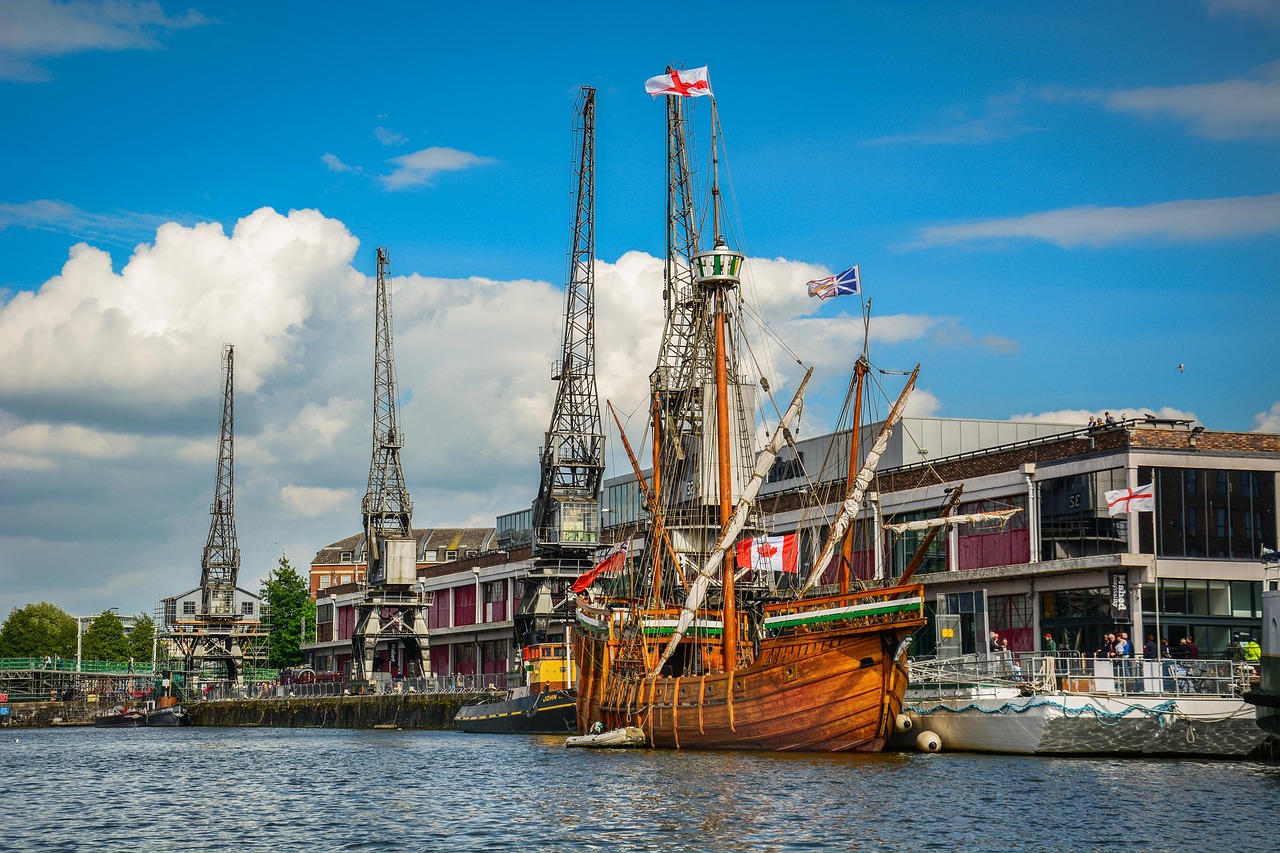
Bristol’s past is woven with stories of innovation, maritime power, and rich culture. But beneath the surface lies a darker, often uncomfortable truth. Its deep entanglement in the transatlantic slave trade. Walking through the city today, with its grand Georgian buildings and bustling harbors, it can be hard to imagine that this same place once played a pivotal role in one of history’s greatest atrocities. Yet, acknowledging this past is essential, not just for understanding Bristol but for shaping a more honest and informed future.
The Rise of Bristol as a Slave Trade Powerhouse
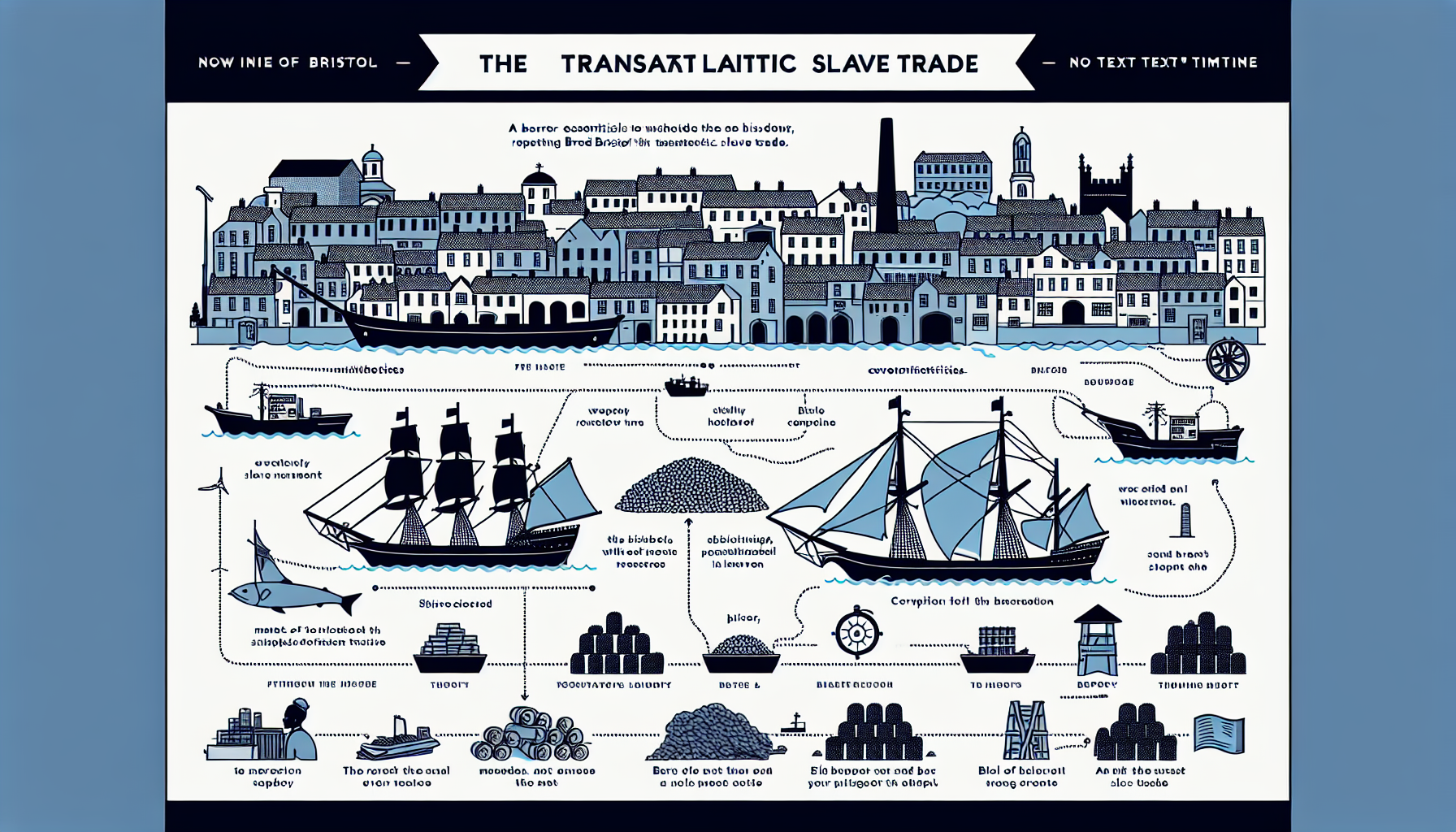
During the 17th and 18th centuries, Bristol became one of the most significant ports involved in the transatlantic slave trade. At its peak, the city was second only to London in its involvement. Ships would set sail from the harbor, their hulls packed with goods such as textiles, guns, and alcohol, bound for the West African coast. There, these goods were exchanged for kidnapped men, women, and children, who were then forced onto the same ships and transported across the Atlantic in horrific conditions.
The infamous “Middle Passage,” the journey from Africa to the Americas, subjected enslaved people to unimaginable suffering. Cramped, malnourished, and disease-ridden, many never survived the voyage. Those who did were sold in Caribbean and American plantations, where they were forced into brutal labor conditions. The ships, now laden with sugar, tobacco, and cotton, returned to Bristol, fueling the city’s wealth and industrial growth.
It’s a bitter irony that much of Bristol’s elegance. Its stately buildings and institutions. Was funded by the suffering of thousands. Many prominent families made fortunes from the trade, and their legacies still linger in street names, statues, and historic estates.
Edward Colston: A Legacy Reexamined
Few figures are as entwined with Bristol’s slave trade history as Edward Colston. A wealthy merchant and philanthropist, he donated extensively to the city, financing schools, almshouses, and churches. For centuries, he was celebrated as a benefactor, with streets, schools, and even a concert hall named in his honor. But what had long been overlooked. Or deliberately ignored. Was the source of his fortune.
Colston was a leading member of the Royal African Company, which had an exclusive contract to supply enslaved Africans to Britain’s colonies. Under his tenure, tens of thousands were trafficked, many perishing along the way. This grim reality led to growing calls for his legacy to be reassessed.
In June 2020, amid global protests against racial injustice, demonstrators toppled a statue of Colston in the city center, throwing it into Bristol Harbour. The moment was historic. Both symbolic and literal in confronting Bristol’s past. It sparked fierce debate, but also much-needed conversations about how cities remember those who built them, and at what cost.
Traces of the Past in Modern Bristol
Bristol doesn’t shy away from its uncomfortable history. Walking through its streets, you’ll find reminders. Some intended, others remnants of a past many tried to forget. The M Shed museum now includes a dedicated section on the city’s role in the slave trade, ensuring future generations understand its impact. Places like St. Mary Redcliffe Church and the Georgian House Museum provide further insights into the city’s connections with colonial wealth.
Efforts are ongoing to ensure history is told in its entirety, not just the parts that make for a good tourist brochure. The city has begun renaming certain landmarks, reinterpreting monuments, and opening up dialogues that were once considered taboo.
Why This History Matters Today
Some may ask, why dwell on the past? The answer is simple: history shapes the present. The enduring effects of the transatlantic slave trade still ripple through society today, from racial disparities in wealth and opportunity to the prejudices and inequalities that persist. Confronting this past isn’t about guilt. It’s about responsibility.
Understanding Bristol’s role in this history allows for more informed discussions about reparations, systemic racism, and the way nations address historical wrongs. It’s also about truth. Acknowledging the full story, not just the comfortable parts.
Bristol is a city of resilience, reinvention, and introspection. Its history is complex, and while parts of it are deeply painful, reckoning with and learning from them is a step toward genuine progress.
Frequently Asked Questions
Was Bristol the only UK city involved in the transatlantic slave trade?
No. While Bristol was a significant player, ports like Liverpool and London were also deeply entrenched in the trade. Liverpool, in particular, became the dominant hub in the late 18th century, sending more slave ships to Africa than any other British city.
How did the transatlantic slave trade end?
The British government abolished the slave trade in 1807 with the Slave Trade Act, though slavery itself continued in British colonies until the Slavery Abolition Act of 1833. Even after abolition, formerly enslaved people faced immense hardships, and plantation owners were compensated for their loss of “property,” while those freed received nothing.
Are there still traces of the transatlantic slave trade in Bristol today?
Yes. Many of Bristol’s historic buildings, statues, and even street names have links to merchants who profited from the trade. Organizations and activists continue to push for greater acknowledgment and changes, such as renaming problematic sites and improving education on the subject.
What happened to the Edward Colston statue?
After it was toppled and retrieved from the harbor, the statue of Edward Colston was placed in the M Shed museum, where it is displayed with context about his role in the slave trade and the circumstances of its removal.
How is Bristol educating people about this part of its history?
Educational institutions, museums, and local initiatives have been working to ensure a fuller, more honest account of Bristol’s history is shared. The M Shed and other historical sites now include detailed exhibitions on the transatlantic slave trade, and some schools have incorporated it more prominently into their curriculums. Efforts are ongoing to make this education accessible and comprehensive.