Bristol has always had a rebellious streak. Nestled on the banks of the River Avon, this city has a long and complicated history with piracy. You’ve probably heard of famous names like Blackbeard, but did you know that Bristol was one of the key hubs for maritime outlaws during the Golden Age of Piracy? Let’s dive into the murky waters of Bristol’s piratical past.
A Port Built on Risk and Reward
Bristol’s location made it the perfect breeding ground for pirates. By the late 17th and early 18th centuries, it was one of England’s busiest ports, trading with the Americas and the Caribbean. With so much money flowing through the city, it’s no surprise that some sailors decided they’d rather steal wealth than earn it.
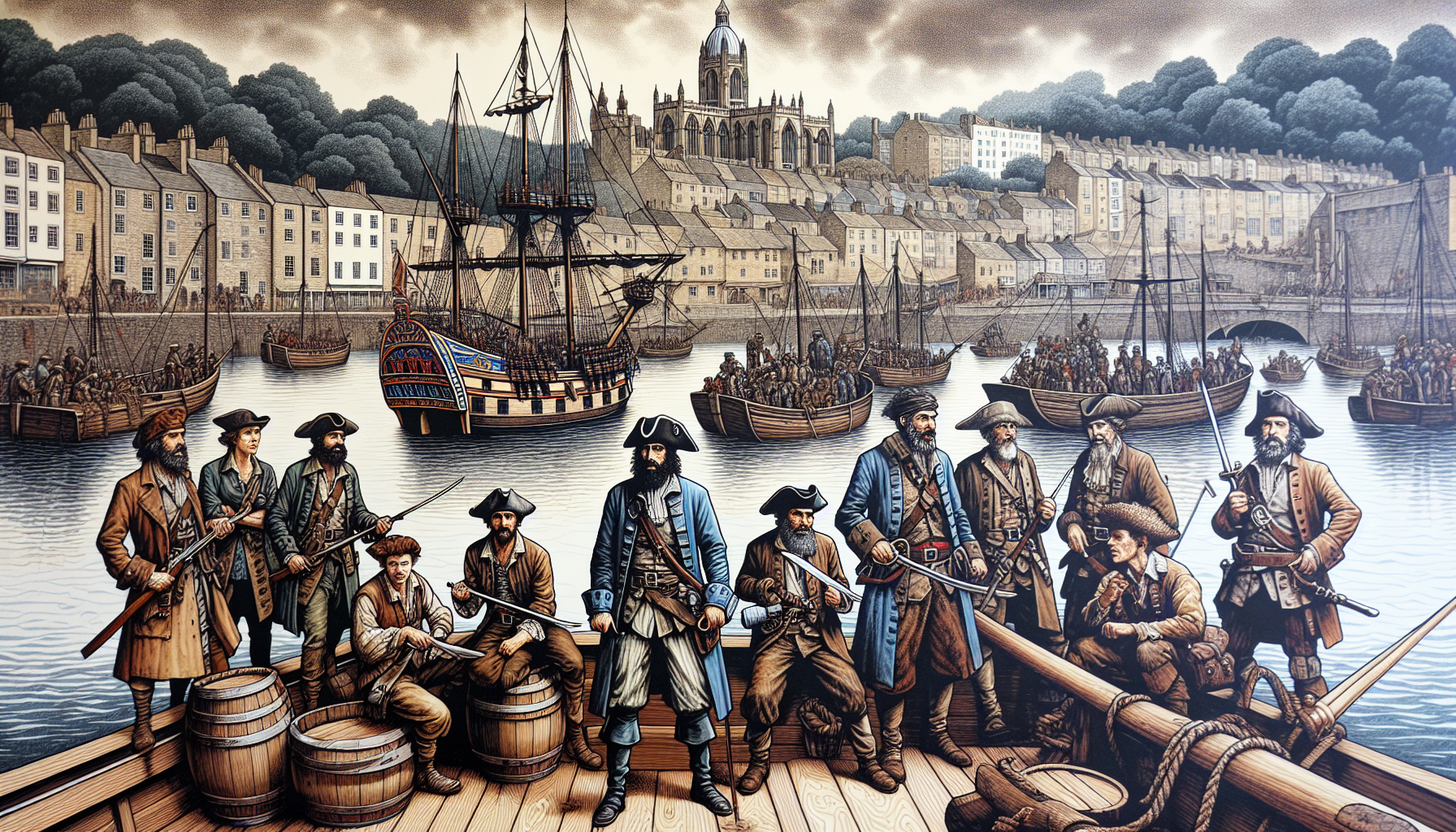
Many privateers. Government-sanctioned pirates. Operated out of Bristol, attacking enemy ships under the approval of the Crown. But when wars ended, these privateers often had two choices: give up their lucrative trade or turn outlaw. Unsurprisingly, many of them became full-time pirates.
The Legend of Blackbeard. Bristol’s Most Infamous Son
Edward Teach, better known as Blackbeard, is often associated with the Caribbean, but his roots trace back to Bristol. While records on his early life are scarce, many historians believe he was born in or near the city.
Blackbeard was no ordinary pirate. He cultivated a terrifying image, setting slow-burning fuses in his beard to make himself look like a demon rising from the depths. His flagship, Queen Anne’s Revenge, dominated the seas, and his reputation alone made many ships surrender without a fight.
Despite his fearsome nature, Blackbeard was also a cunning strategist. He once blockaded the port of Charleston, South Carolina, demanding medicine before he would leave. His career was relatively short-lived. He was killed in battle in 1718. But his legend endures.
Smugglers, Raiders, and Rogue Captains
Blackbeard wasn’t the only figure in Bristol’s pirate history. The city had its fair share of smugglers and rogue sailors who flirted with the line between legal and illegal trade.
One such character was Captain Woodes Rogers, a former privateer from Bristol who turned into an anti-pirate enforcer. After receiving a commission from the king, he became the governor of the Bahamas, cracking down ruthlessly on piracy. Ironically, he had once worked alongside some of the very outlaws he later hunted.
Then there were the countless smuggling operations along the Avon. High taxes on goods like tobacco and alcohol made smuggling a lucrative business, and Bristolian sailors became experts at dodging customs officials. From hidden sea caves to fake cargo manifests, they had an entire arsenal of tricks to keep their trade alive.
The Pirate Legacy in Bristol Today
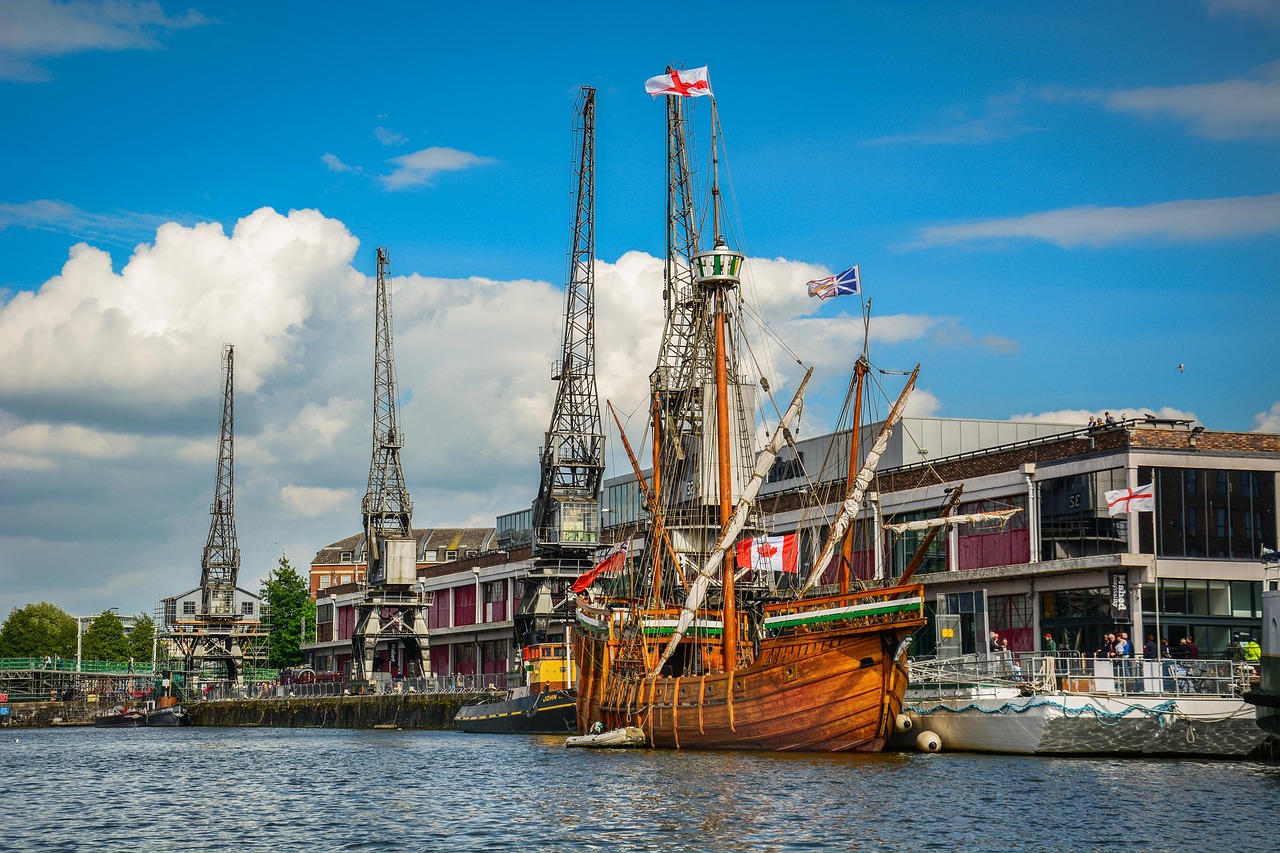
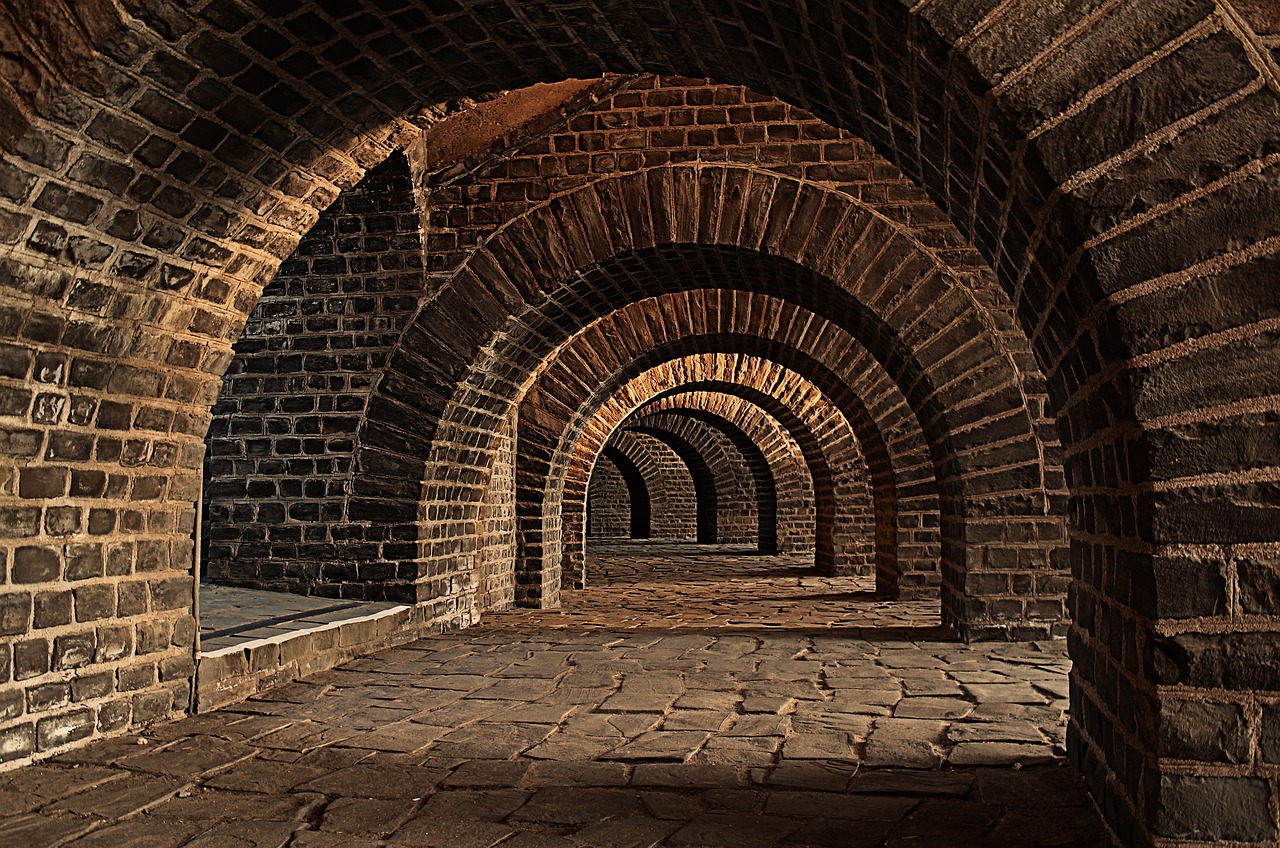
Walk around Bristol, and you’ll see traces of its seafaring. And piratical. Past everywhere. Pirate-themed pubs, historic docks, and even hidden tunnels beneath the old city streets all hint at the era when maritime rogues ruled the waves.
The city hosts various events celebrating its nautical history, including tall ship festivals and reenactments. Whether or not Blackbeard really walked these streets, Bristol’s connection to piracy is undeniable.
Final Thoughts
Bristol’s pirates weren’t just villains; they were products of their time. Brave, reckless, and often desperate men chasing fortune on the high seas. Their exploits, whether in service to the Crown or against it, left a lasting imprint on maritime history.
If you ever visit Bristol, take a moment to stand by the Avon and imagine the ships that once sailed from its ports. Some carried merchants, some carried soldiers, and others carried men who would go down in legend.
Frequently Asked Questions
Were there many pirates from Bristol, or was Blackbeard an exception?
Bristol was a major port, so many sailors from the city turned to piracy, either full-time or as opportunists. While Blackbeard is the most famous, countless others operated out of Bristol’s docks, often switching between legal trade, privateering, and piracy.
What was the difference between privateers and pirates?
Privateers had government permission, usually in the form of a letter of marque, to attack enemy ships during wartime. Pirates, on the other hand, attacked ships indiscriminately, including those of their own country. Many privateers turned to piracy when peace was declared and their commissions were revoked.
Are there any pirate-related landmarks in Bristol?
Yes! The historic harbor, the Llandoger Trow pub (rumored to have inspired Treasure Island), and the old smugglers’ tunnels beneath the city all tie into Bristol’s pirate and maritime history. There are also regular maritime festivals celebrating this part of the city’s past.
Did any female pirates come from Bristol?
There are no well-documented female pirates from Bristol itself, but figures like Anne Bonny and Mary Read, who were active in the 18th century, would have been familiar with ports like Bristol. Women sometimes disguised themselves as men to take to the seas, so it’s very possible some Bristol women had their own piratical adventures.
How accurate are the legends about Blackbeard?
Like many historical figures, Blackbeard’s legend has grown over the years. We know he was a real person and that he used fear as a weapon, but some of the more dramatic stories. Like him being impervious to pain. Are likely exaggerations. That said, his actual exploits were wild enough to make his legend endure.