Bristol is full of surprises. Beyond its colorful street art, rich maritime history, and thriving cultural scene, the city holds a secret. Beneath its streets lies a forgotten world of underground tunnels, passageways, and shelters that few people ever get the chance to see. These tunnels whisper stories of smuggling, wartime resilience, and Victorian engineering, hidden just beneath the feet of thousands of unsuspecting Bristolians.
A City Built on Limestone and Secrets
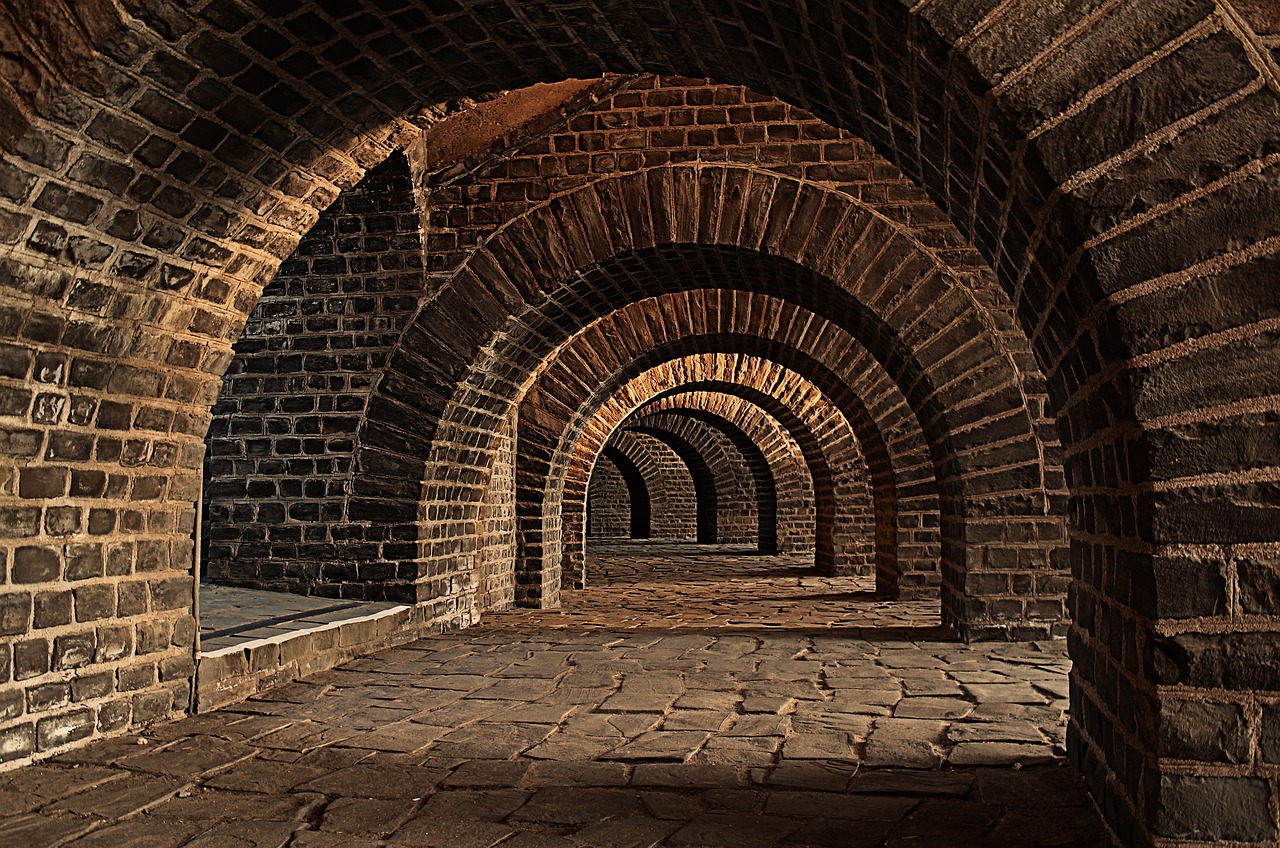
Bristol’s geology has played a crucial role in creating these underground spaces. The city’s limestone bedrock made it ideal for quarrying, leaving behind cavernous voids that, over time, were repurposed in fascinating ways. Some tunnels were dug intentionally, others left as remnants of industrial activity. Walk around the city center, and you might be walking above hidden chambers that once housed everything from munitions to illicit contraband.
One of the most famous subterranean spaces is Redcliffe Caves, a sprawling network carved into sandstone cliffs alongside the Floating Harbour. While many assume they were used for smuggling, historical records suggest they were primarily for mining sand, which was essential in Bristol’s booming glass-making industry. Still, their eerie, hollow passageways make it easy to believe in the smugglers’ tales.
Wartime Hideouts and Forgotten Shelters
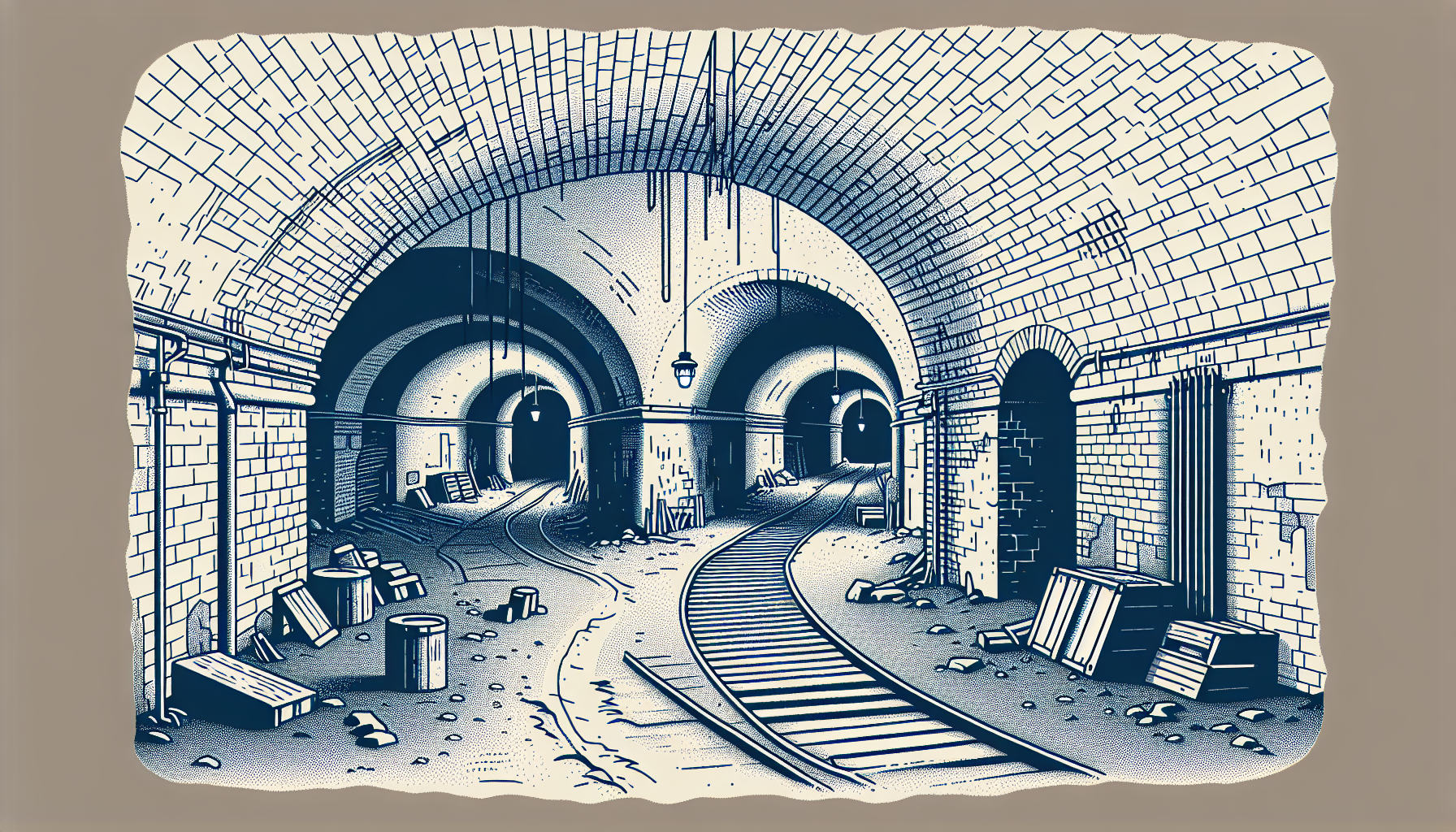
During World War II, Bristol suffered heavy bombing raids, leaving the city scrambling for safe spaces to shelter civilians. Many existing tunnels were modified or expanded to serve as air raid shelters. Some, like those beneath Clifton, once provided refuge for hundreds of families.
Exploring these remnants of wartime Bristol is a humbling experience. Some tunnels still contain rusted bunk beds bolted to the walls, and faded wartime propaganda leaflets can sometimes be found buried in dust. The Somerset Street shelters, though largely forgotten, tell vivid stories of resilience. Stories that deserve to be remembered.
The Hidden Vaults and Passageways of the Old City
Bristol’s Old City, with its cobbled streets and historic pubs, holds some particularly intriguing underground secrets. Beneath markets and taverns, vaults and tunnels once connected merchants’ storehouses, allowing goods to be moved discreetly. Some of these spaces remain accessible. If you know where to look.
One fascinating example is the Llandoger Trow, a 17th-century pub rumored to have hidden tunnels leading to the harbor. Some believe these passageways allowed sailors and smugglers to sneak in and out undetected. Although many of these tunnels have collapsed or been sealed off, tantalizing glimpses remain in old cellars and concealed doorways.
The Not-So-Legal Explorations: Urban Legends vs. Reality
Over the years, urban explorers have attempted to uncover these subterranean mysteries for themselves. While some tunnels have been officially mapped, others remain the stuff of legend. Talk to any long-time Bristol local, and they might tell you about the supposed tunnels beneath Temple Meads station or passageways connecting the university buildings. Whether all of these exist is another question entirely.
Of course, sneaking down disused tunnels isn’t exactly advised. Many are structurally unsound, prone to flooding, or legally off-limits. But that doesn’t mean the city has forgotten its underground history. Official tours and historical societies work to preserve what’s left, offering rare opportunities for curious minds to step into the past.
How You Can Explore Bristol’s Underground
If the idea of wandering through hidden tunnels excites you, there are a few legal and safe ways to experience this side of Bristol:
- Guided tours: Redcliffe Caves occasionally opens to the public for special guided tours, where you can learn about their history firsthand.
- Bristol Open Doors Festival: Every year, this event grants access to hidden parts of the city, including underground vaults and historic sites.
- Historical societies and local groups: Organizations like the Bristol Industrial Archaeological Society often share insights into the city’s underground spaces.
- Pub and cellar explorations: Some of Bristol’s historic pubs have kept their underground vaults intact. Asking the right bartender might just lead to a sneaky peek.
The City Under the City
Bristol’s underground world might not be as well-known as its famous suspension bridge or harborside, but it offers an equally rich, if slightly more mysterious, chapter of its history. Whether carved for industry, used in wartime, or shrouded in smuggling myth, these tunnels hold echoes of a past that refuses to be entirely forgotten.
Next time you walk through the city, take a moment to wonder what lies beneath. Who knows what secrets still remain, waiting to be rediscovered?
Frequently Asked Questions
Are Bristol’s underground tunnels open to the public?
Some tunnels, like Redcliffe Caves, are occasionally opened for guided tours, particularly during events like the Bristol Open Doors Festival. However, many tunnels are sealed off due to safety concerns.
Were the underground tunnels really used by smugglers?
While legends of smuggler tunnels persist, historical records suggest many tunnels were created for industry, storage, or transportation. That said, some evidence does suggest illicit activity in certain passageways.
Can I explore these tunnels on my own?
Exploring Bristol’s underground tunnels without permission is not only dangerous but often illegal. Many are unstable, unlit, and prone to flooding. Instead, look for official guided tours and sanctioned events to experience them safely.
What’s the most famous underground tunnel in Bristol?
Redcliffe Caves are arguably the most well-known, thanks to their size, history, and occasional public access. Other notable tunnels include wartime shelters beneath Clifton and underground vaults in the Old City.
How can I learn more about Bristol’s underground history?
Joining local historical societies, attending guided tours, and visiting Bristol’s museums are great ways to dive deeper. Books and archives also offer fascinating glimpses into this hidden part of the city’s past.