Bristol carries its history not just in its grand architecture and lively harbors, but deep underground as well. Beneath the city’s streets lie echoes of a time when survival meant ducking into the nearest shelter at the wail of an air raid siren. The Blitz of World War II hit Bristol hard, and the network of air raid shelters that once protected its people still tells their stories. If you know where to look.
The Nights Bristol Went Dark
Between 1940 and 1944, Bristol endured relentless bombings from the German Luftwaffe. With its strategic importance as a port city and home to key industries, it was a prime target. The worst of these attacks came on the night of November 24, 1940, when over 150 German bombers unleashed hell on the city. Thousands of homes were destroyed, and the flames could be seen from nearly a hundred miles away. Amidst this devastation, air raid shelters became lifesaving havens.
Where Did People Seek Shelter?
Bristol had a mix of public and private shelters, each offering some hope of protection, if not always comfort.
- Anderson Shelters – These were small, corrugated metal constructions dug into gardens. If you had a bit of outdoor space, you might have one buried under a mound of soil, offering some insulation.
- Morrison Shelters – For those without gardens, Morrison shelters were indoor steel cages that could double as a dining table by day and a makeshift bunker by night.
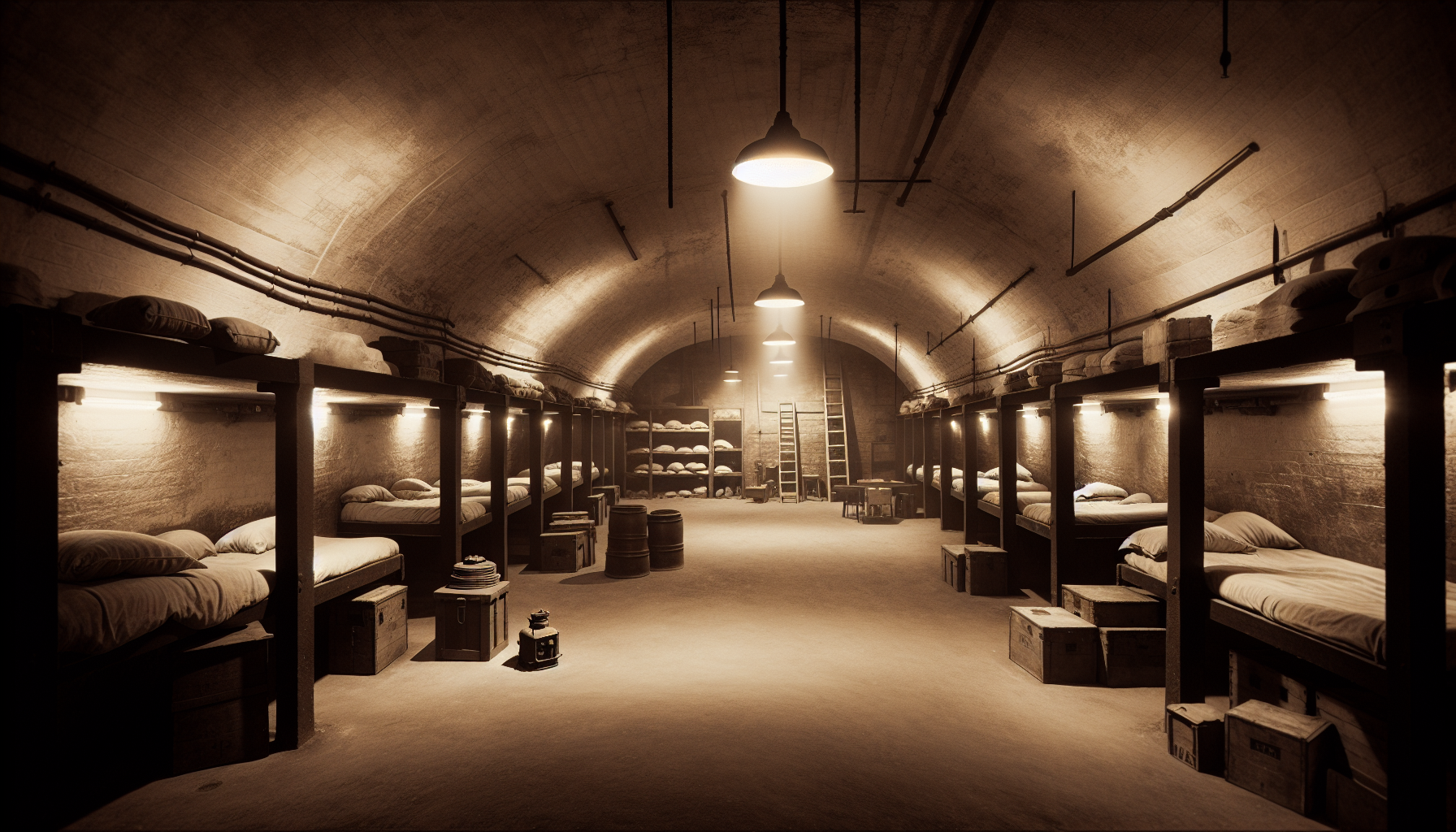
- Public Shelters – Larger communal spaces were built in parks, tunnels, and basements across the city. Some were rudimentary brick structures in the streets, while others were reinforced underground bunkers.
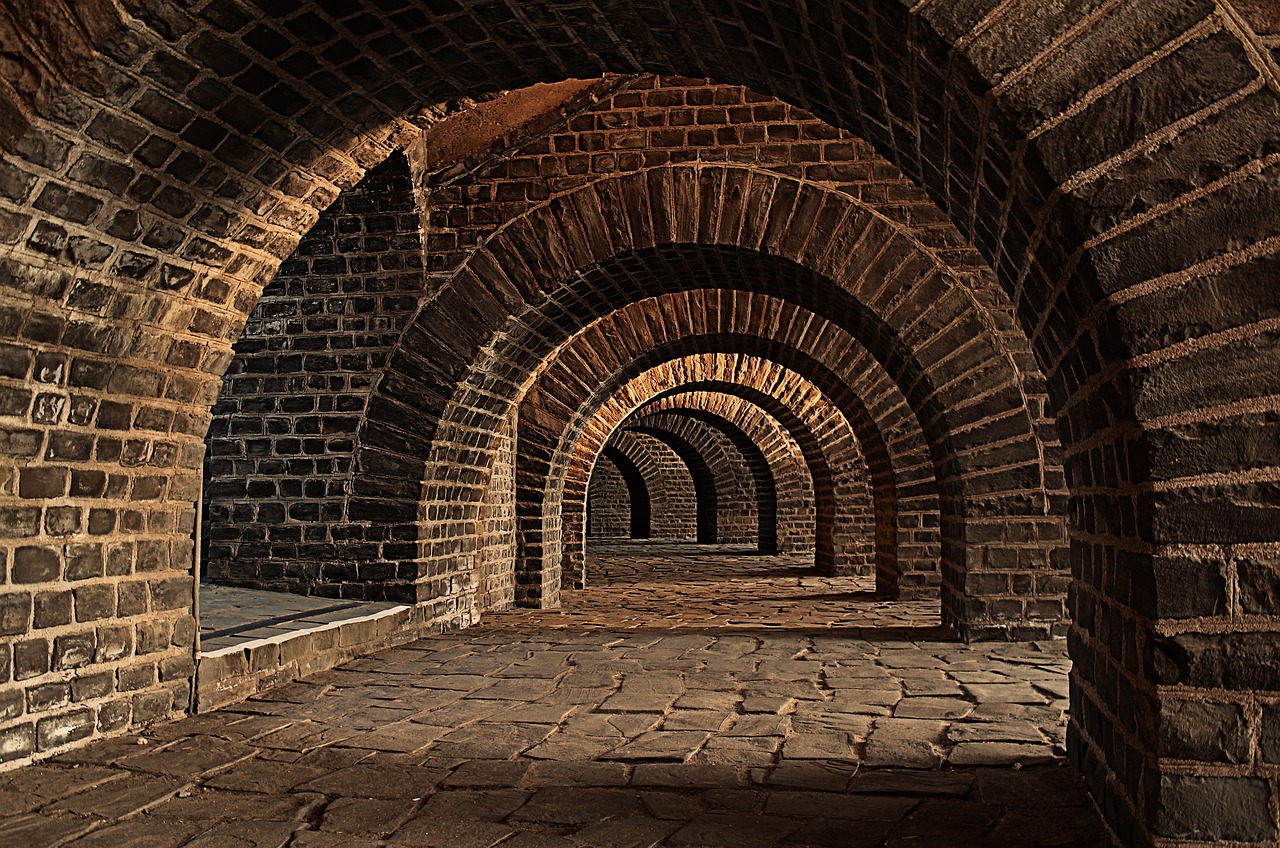
One of the most remarkable survival sites still visible today is the Redcliffe Caves. Though not actual caves but man-made sandstone tunnels, they were used to shelter hundreds during air raids. Imagine the fear and hushed whispers in the darkness as explosions shook the city above.
The Forgotten Shelters
Many of these wartime shelters have faded from memory, hidden beneath modern developments. However, a few have been rediscovered. Under Clifton Suspension Bridge, tunnels once repurposed as shelters still exist, offering a chilling glimpse into wartime desperation. In some areas, remnants of old brick air raid bunkers remain, tucked away behind buildings or buried beneath vegetation. Every now and then, one is uncovered during construction work, a sudden and eerie reminder of the past.
Stories of Survival
People who lived through those terrifying nights have shared accounts of what it was like to take refuge in these shelters. One Bristol resident recalls:
“We had an Anderson shelter in our garden. I remember clutching my mum’s hand, listening to the bombs, feeling the ground shake. You can’t describe the fear properly. It never leaves you.”
Another tells of her family cramming into a public shelter with neighbors, the smell of damp walls mixing with anxiety as they waited for the all-clear siren.
Why These Shelters Matter Today
Beyond their historical significance, Bristol’s air raid shelters stand as a testament to human resilience. They remind us of a time when communities banded together in the face of unimaginable destruction. Even now, as the city evolves, these hidden spaces spark curiosity about the stories they hold.
Some local heritage groups have pushed for greater preservation efforts, hoping to transform forgotten shelters into educational sites before they disappear entirely. With more people keen to explore hidden history, perhaps these remnants of the past will continue to be appreciated rather than erased.
Exploring Bristol’s Wartime Past
If you’re eager to delve into Bristol’s Blitz history, several guided tours visit wartime sites, including underground tunnels and bomb-damaged ruins. Local museums also hold exhibitions featuring personal accounts and artifacts from the era. Keep an eye out for heritage open days when restricted sites occasionally grant public access.
Bristol has rebuilt itself in remarkable ways since those dark days, but its wartime shelters hold a quiet strength all their own. They tell of survival, loss, and the unbreakable spirit of those who endured the Blitz.
Frequently Asked Questions
Are any of Bristol’s air raid shelters open to the public?
Yes, some are accessible through guided tours, particularly those linked to the Redcliffe Caves and certain tunnel networks. However, many remain closed or forgotten beneath the city.
How were people alerted to air raids?
Sirens would sound across the city, warning residents to take cover. Some emergency workers and wardens patrolled the streets to direct people toward shelters.
What happened to the shelters after WWII?
Many were dismantled or repurposed. Some Anderson shelters were turned into tool sheds, while larger public bunkers were abandoned or built over. A few remain intact, hidden beneath roads and buildings.
Where can I learn more about Bristol’s wartime history?
The M Shed Museum and Bristol Archives hold extensive records, exhibits, and personal accounts from the war years. Local walking tours also offer in-depth historical insights.
Why did Bristol suffer so heavily during the Blitz?
As a major port city with key industries like aircraft production and shipping, Bristol was a strategic target for the Luftwaffe. Its proximity to the coast made it vulnerable to repeated attacks.