Bristol’s Downs hold a special place in the city’s heart. Stretching across Clifton and Durdham Downs, this vast green space has been a sanctuary for locals for centuries. Whether you’ve spent a lazy afternoon basking in the sun or braved the winter winds for a refreshing walk, the Downs have a way of drawing people in. But have you ever stopped to wonder about the history behind this cherished landscape?
From Ancient Commons to Protected Greenery
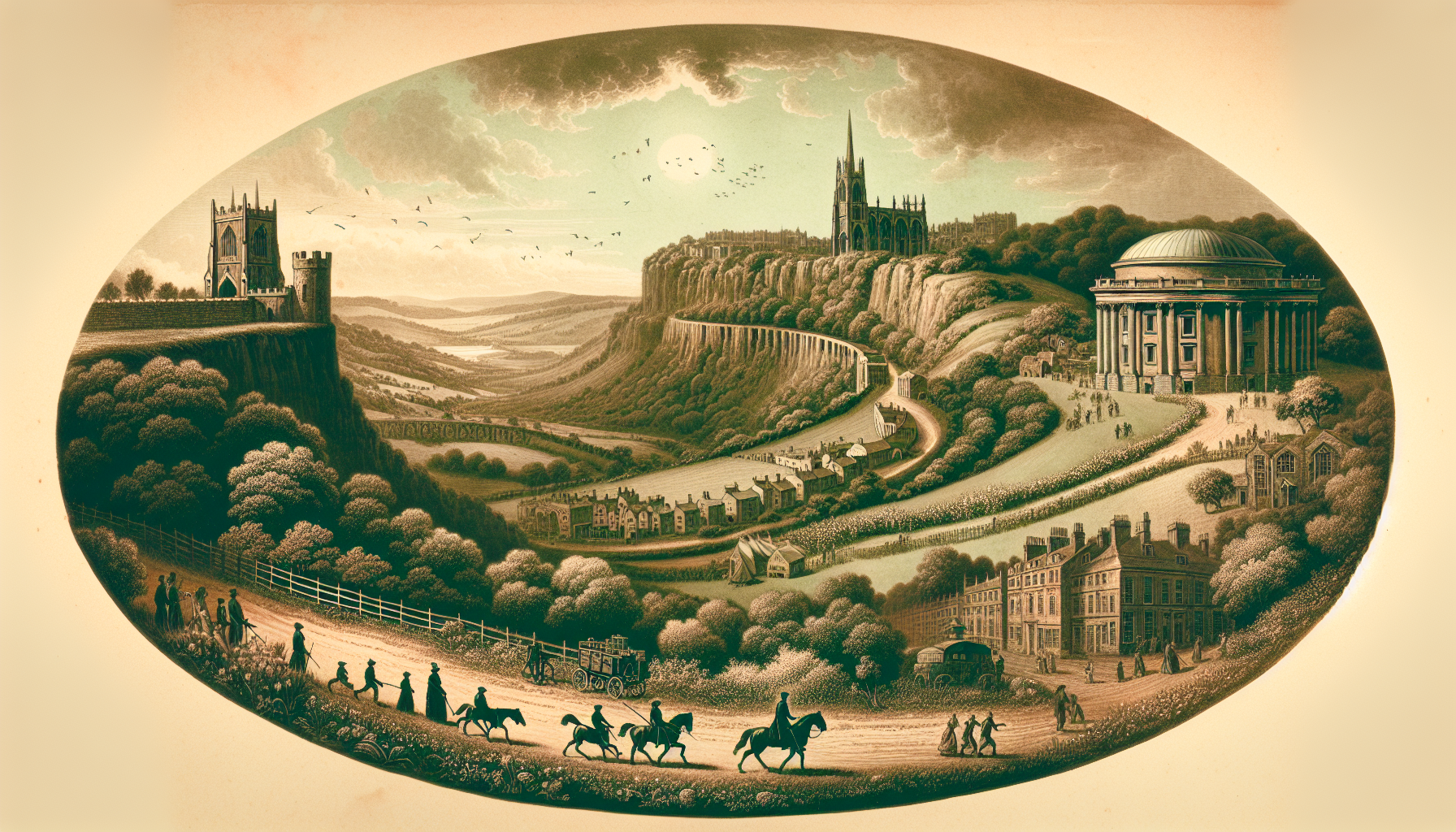
Long before joggers, picnickers, and dog walkers claimed the Downs as their own, this land served a very different purpose. Historical records suggest that for hundreds of years, it functioned as common land where local people could graze their animals. In fact, the term “Downs” itself comes from an old English word for open, rolling grasslands.
By the late 19th century, the industrial revolution was reshaping Bristol, and urban expansion threatened the Downs. Luckily, city leaders had the foresight to act, and in 1861, the Clifton and Durdham Downs Act was passed. This law ensured that these 440 acres would remain public open space, protecting them from development and preserving their green beauty for generations to come.
Looking at it now, it’s hard to imagine how close Bristol came to losing its most beloved outdoor space.
A Place for Leisure and Community
If you dig into the archives, you’ll find that the Downs have been a hub of activity for well over a century. Cricket matches, football games, and open-air performances have brought people together here for decades. In fact, Bristol’s very first football cup final was held on the Downs back in 1888. A moment that signaled just how deeply sport and recreation would become embedded in this landscape.
Fast forward to today, and the Downs still buzz with life. Whether it’s the annual Downs Festival, which brings live music and energy to the city, or the weekly parkrun that sees hundreds pounding the paths each Saturday morning, this space continues to evolve as the beating heart of Bristol’s outdoor culture.
And let’s not forget those simple yet priceless moments. The quiet Sunday strolls, the family picnics under the shade of ancient trees, or the spontaneous kickabouts with a football on a summer’s evening.
Nature and Wildlife on the Downs
Beyond leisure, the Downs are a vital refuge for nature. While it might not feel like a traditional wildlife sanctuary, this open land is home to an array of flora and fauna. Wildflowers bloom in the summer, supporting bees and butterflies, while kestrels and peregrine falcons soar overhead, keeping a watchful eye on the land below.
The Avon Gorge, which borders the Downs, is recognized as a Site of Special Scientific Interest (SSSI). This stunning limestone gorge harbors rare plant species, including the Bristol onion, a flower found nowhere else in the UK. Standing at the edge and looking out over the gorge, it’s easy to appreciate why nature lovers and conservationists fight so hard to protect this area.
The Downs Today: Balancing Tradition with the Future
While the Downs have been safeguarded for over 160 years, the challenge of balancing public use with conservation efforts remains. Increased footfall, large-scale events, and climate change pose ongoing tests for maintaining the area’s natural integrity. The Downs Committee, a historic organization responsible for management, continues to navigate these challenges, ensuring the space remains both welcoming and sustainable.
One debate that often sparks discussion is whether more facilities. Such as cafes or adventure playgrounds. Should be introduced. Some argue that additions like these would make the space more accessible and enjoyable, while others believe the Downs should remain as untouched as possible. It’s a delicate balance, and one that will continue to shape the future of Bristol’s most iconic green space.
Why the Downs Matter Now More Than Ever
Urban green spaces like the Downs play an essential role in modern city life. They provide room to breathe, to exercise, and to connect with nature. Something that has only become more valued in an increasingly fast-paced world. At a time when many cities are losing green spaces to development, Bristol’s Downs stand as a testament to the power of preservation.
So, the next time you find yourself wandering across this wide, windswept expanse, take a moment to appreciate its history. From ancient grazing pastures to sporting battlegrounds and wildlife havens, this land has witnessed it all. And thanks to those who fought to protect it, generations to come will continue to forge new memories upon its grass.
Frequently Asked Questions
Who owns the Downs in Bristol?
The Downs are owned by two different bodies: Clifton Down belongs to the Society of Merchant Venturers, while Durdham Down is owned by Bristol City Council. However, their management is overseen jointly by the Downs Committee, ensuring they remain accessible to the public.
Can you hold events on the Downs?
Yes, various events take place on the Downs, ranging from music festivals to charity runs. However, organizers must seek permission from the Downs Committee, which assesses each application based on factors like environmental impact and accessibility.
Are there any restrictions on activities at the Downs?
While the Downs are an open public space, certain activities. Such as camping, open fires, and unauthorized commercial events. Are not permitted. These rules exist to protect both the environment and the enjoyment of all visitors.
What is the best time of year to visit the Downs?
The Downs offer something magical in every season. Spring brings wildflowers, summer is perfect for picnics, autumn transforms the trees into a golden spectacle, and winter rewards visitors with crisp, serene walks above the gorge.
How can I support conservation efforts at the Downs?
Getting involved with local conservation groups, such as the Avon Gorge & Downs Wildlife Project, is a great way to contribute. Volunteering, donating, or simply respecting the natural environment by following responsible visitor guidelines all help safeguard this incredible space for the future.