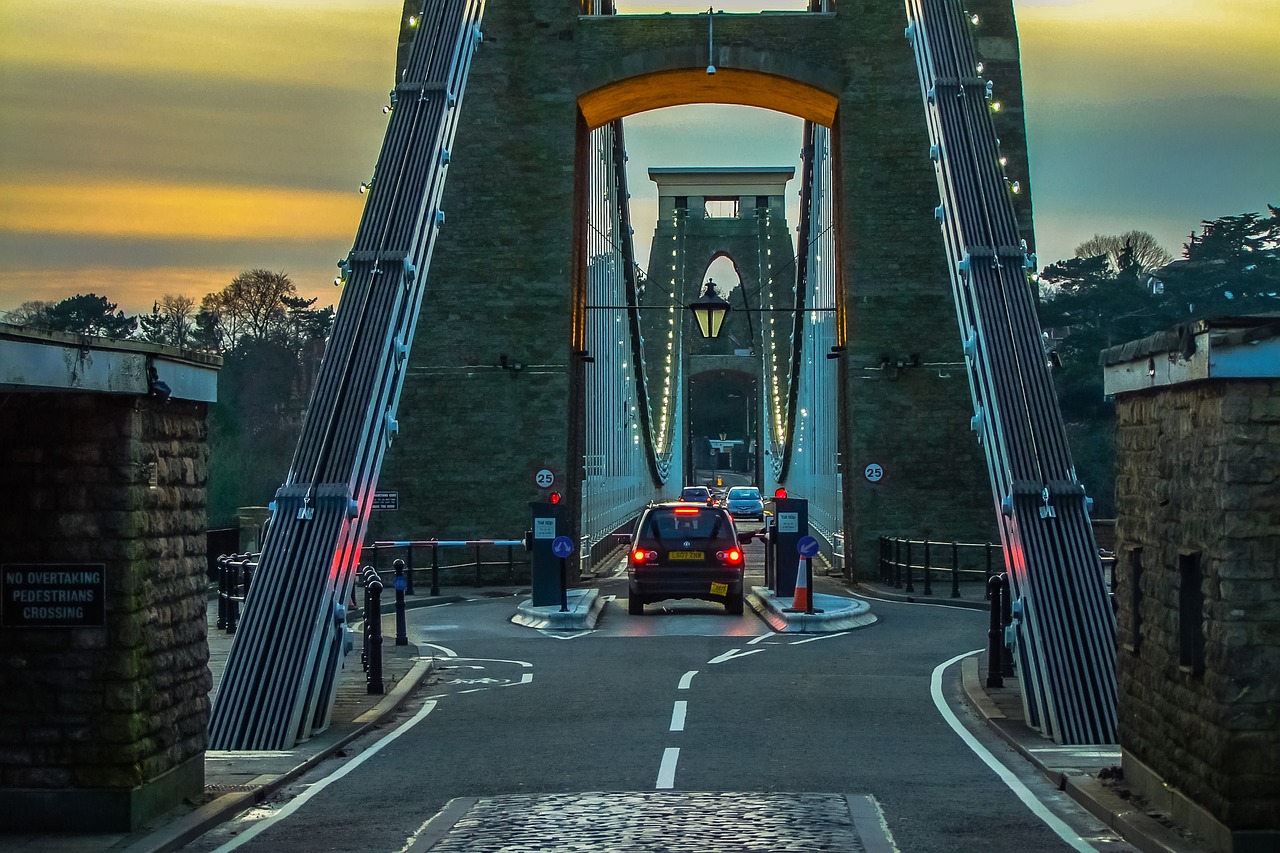
The latest stir in Bristol doesn’t come from a protest or a festival on the Harbourside. It’s coming from the roads. Or, more specifically, from camera-flanked “bus gates” that have recently become the center of a citywide debate. If you’ve driven through central Bristol lately, you might’ve noticed those blue signs with white buses, often accompanied by a sudden flash of a camera. That’s your wallet bracing for a £60 fine.
But what’s kicking up the dust isn’t just the fines. It’s the claims of confusion, unclear signage, and a growing sense among locals that Bristol City Council might be toeing the line between regulation and revenue generation.
What’s the Deal with These Bus Gates?
Bus gates are specific road sections only accessible to buses, taxis, and some emergency or service vehicles. In theory, they’re meant to streamline public transport and reduce congestion. The controversy, however, is not about the concept. It’s about implementation.
Drivers argue that the signage isn’t up to scratch. Many say they didn’t even realize they were breaking the rules until the dreaded penalty notice landed on their doormat. And they’re not alone. Just last month, a spike in appeals reached the Traffic Penalty Tribunal, where adjudicators questioned the clarity of some road signs and markings, suggesting that “reasonable drivers” could easily miss them.
It’s not idle speculation either. I’ve personally spoken with three different residents on Gloucester Road. Two of whom have appealed recent fines, and one who didn’t bother after hearing so many people say the council “never backs down.” The thing is, that assumption might not be entirely accurate.
The Council’s Stance: “Most Appeals Fail”
Despite the public outcry and a number of cases gaining media attention, Bristol City Council remains firm. A spokesperson recently stated that “Only a small proportion of fines are successfully appealed. The signage is compliant with national regulations.” According to verified council data released in March 2025, around 86% of appealed tickets are upheld, suggesting the City isn’t exactly losing sleep over the reputation problem.
To be fair, that statistic isn’t out of line with national averages. But what’s unusual is the unusually high number of fines being issued in certain zones. As in thousands per month in some areas. Temple Way, for instance, has become a hotspot, with locals now jokingly referring to it as “trap central.”
Public Reaction: Frustration, Confusion, and Cynicism
The sentiment on the streets is mixed, but mostly negative. Many residents feel like they’re being squeezed, especially with the rising cost of living and added pay-as-you-drive Clean Air Zone fees.
One Reddit user shared their experience:
“Got hit with a fine for using the lane to move into a car park. Couldn’t actually avoid it without reversing into traffic. Appeal? Denied.”
Stories like that aren’t rare. A 67-year-old driver named Martin I met outside a Westbury-on-Trym petrol station summed it up bluntly: “I haven’t had a ticket in 40 years. I got two in one week. Something smells off.”
It’s these individual experiences. More than raw data. That are flaring tensions. Legal experts confirm that signage needs to be “clear, unambiguous, and visible from a reasonable distance” to justify enforcement. Whether Bristol’s signage meets that standard is now being debated in legal and civic circles alike.
Are These Fines Even Legal?
That’s the million-pound question. Literally, considering the revenue generated. According to a 2024 report by the RAC Foundation, councils across the UK issued over £100 million worth of bus gate and bus lane fines in a year. While technically legal when signage and enforcement follow official Department for Transport guidelines, the grey area creeps in when the rules skirt the spirit of fair warning.
Barrister Michael Robinson, who has represented multiple clients at traffic tribunals, notes that a “high success rate in appeals does not necessarily indicate validity, but a reluctance by drivers to follow through due to time and complexity.”
And that hits home. Unless you’re prepared to take time off work, fill out pages of forms, and navigate a legalistic process, that £60 fine begins to feel like a fee just to make it all go away.
What Does This Mean for the Rest of Us?
Whether you’re a daily commuter, weekend driver, or occasional out-of-town visitor, the landscape of Bristol’s roadways is shifting under your wheels. The council’s focus on public transport prioritization is admirable, and for many, the idea of more buses and fewer cars is a dream. But the methods used need trust. And trust, once lost, is harder to rebuild than a new bus lane.
From a practical standpoint:
- Check your route before driving into central Bristol. Google Maps and Waze don’t always catch restricted zones.
- If you receive a fine, read it carefully. You have 28 days to challenge it, 14 for a reduced rate if paid.
- Document your case if appealing. Photos, timestamps, and any confusion on signage could help.
It’s also a good moment for drivers and city planners to meet in the middle. If urban traffic control is being shaped for the future, it should be co-designed with the people who live in it.
Too often, decisions are made in town halls and council meetings without enough public consultation. That needs to change. Not just to keep things fair, but to help cities like Bristol thrive.
Frequently Asked Questions
What exactly is a bus gate?
A bus gate is a road area restricted primarily to buses and specific vehicles like taxis, emergency services, and sometimes bicycles. Unlike full bus lanes, bus gates often cover short sections of road and use ANPR (Automatic Number Plate Recognition) cameras to issue fines for unauthorized vehicles.
Can I appeal a bus gate fine and how successful are appeals?
Yes, you can appeal a bus gate fine via the Bristol Council website or through the Traffic Penalty Tribunal. However, council data from March 2025 shows that roughly 86% of appeals are not upheld, so success can vary depending on the strength of your case.
Why are so many people receiving fines in certain areas?
Several locations in Bristol, such as Temple Way and Baldwin Street, have become hotspots for fines. Many drivers report unclear or poorly visible signage, particularly at night or during congestion, which has likely contributed to the high number of penalties.
Is Bristol the only city doing this?
Not at all. Cities like Bath, Manchester, and Oxford have similar bus gate schemes. However, the level of public dissatisfaction in Bristol has been particularly high due to the volume of fines and perceived lack of clear signage.
Are the bus gate enforcement methods legal?
According to current UK transport regulations, they are legal if signage and enforcement meet Department for Transport standards. Legal challenges hinge on whether signage gives reasonable notice to drivers. Some traffic adjudicators have expressed concerns, but the majority of cases so far have sided with the council.
The road ahead for Bristol may be lined with cameras and controversies, but it’s also a test of how we balance efficiency with fairness. If this issue drives change, perhaps it’s a pothole worth swerving around. Together.
Let’s keep this debate alive. Whether you’ve had your fair share of fines or you’re just trying to get to work without slipping into a restricted zone, speak up. City planning shouldn’t be a one-way street.