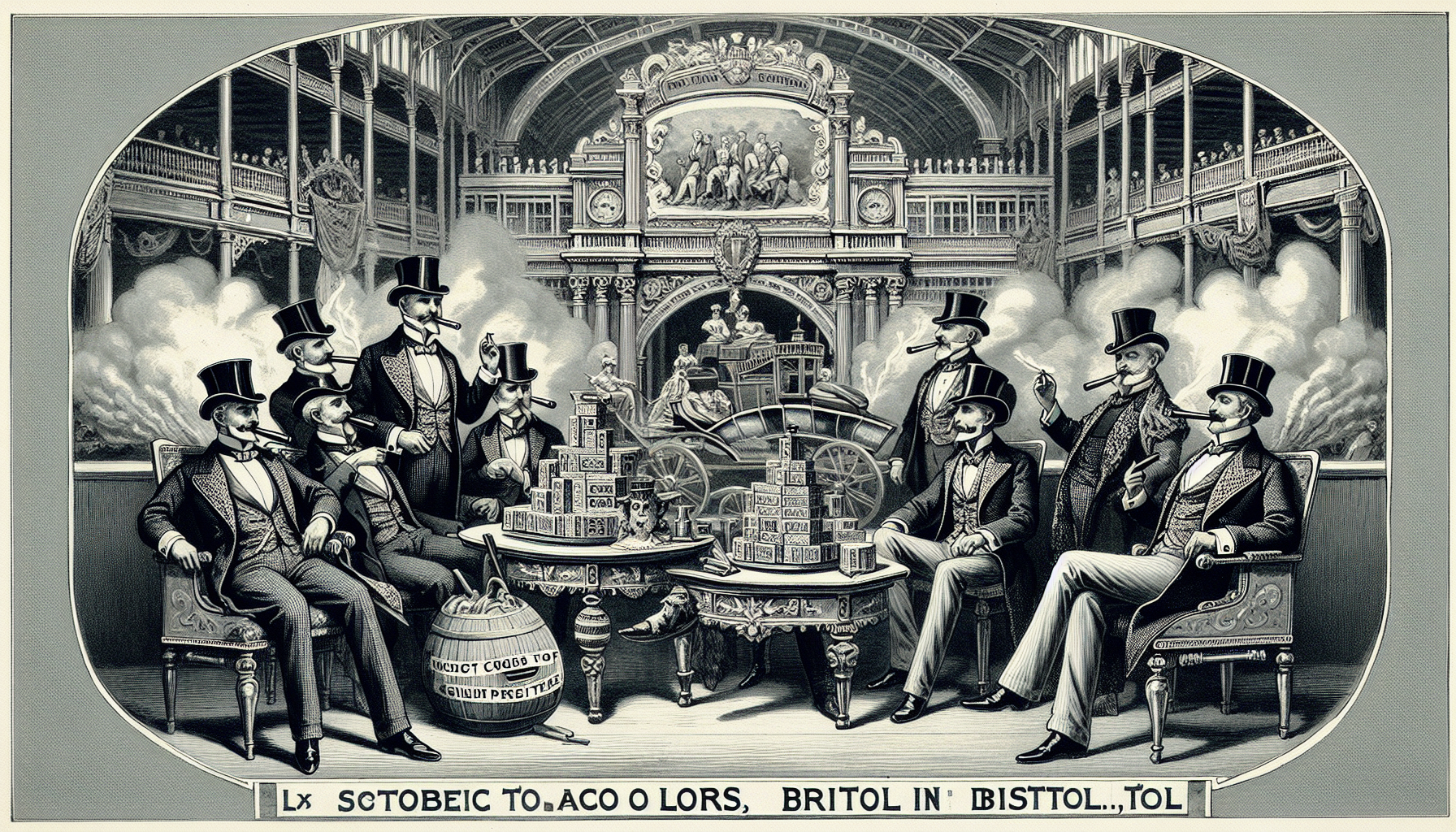
They walked the streets of Bristol in tailored coats and crisp hats, chests puffed with pride, pockets jingling with coin. Names like Alderman Cann, John Pinney, and Isaac Hobhouse weren’t just figures in dusty ledgers or faded portraits. They were once the beating heart of the city’s booming economy. But behind the grandeur and civic respectability lurked another truth: these men were the Tobacco Lords of Bristol, and their wealth was built on a trade as morally complex as it was profitable.
A City Built on Smoke and Sugar
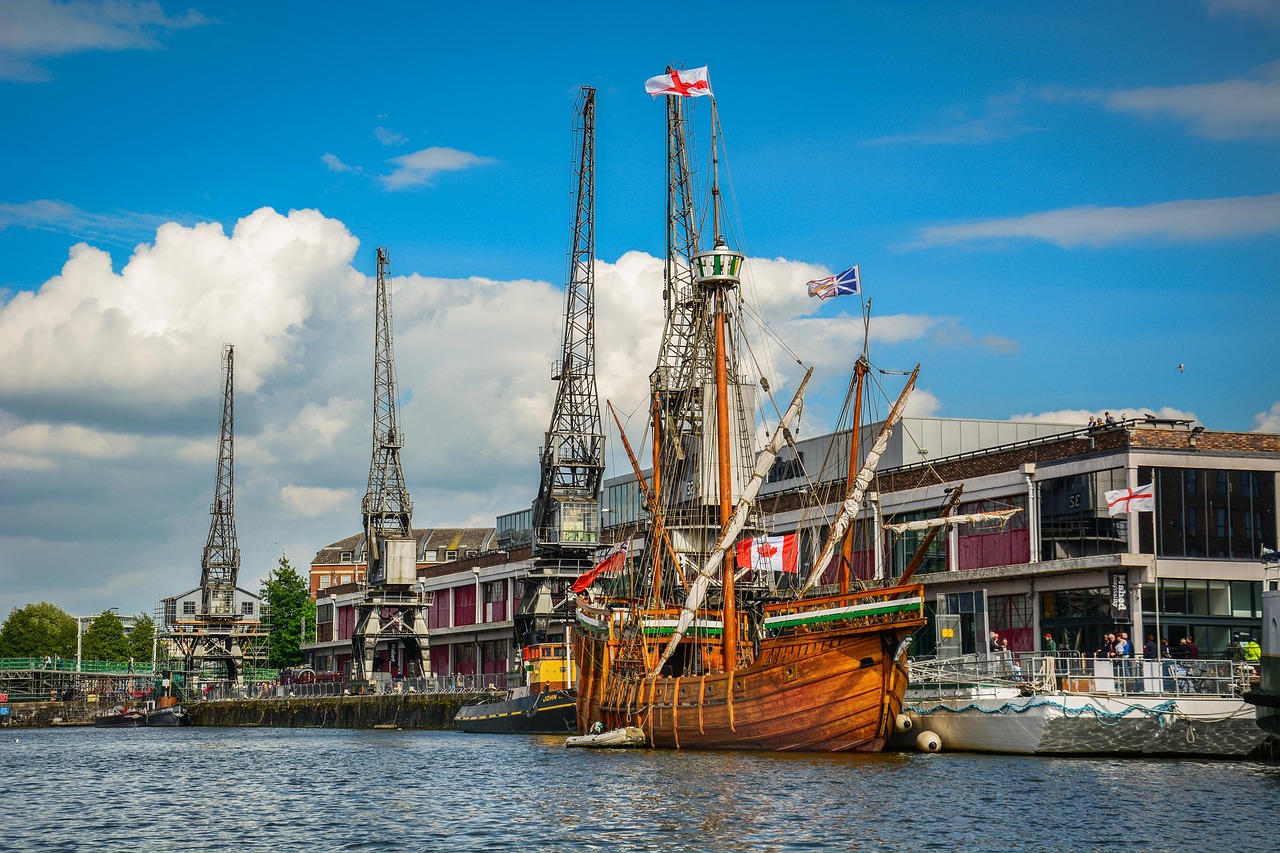
Bristol in the 18th century was one of Britain’s crown jewels of commerce. Ships docked at the harbors daily, unloading barrels of tobacco from Virginia plantations alongside sugar and rum from the West Indies. The money flowed, and the city grew fat on it. Swanky Georgian townhouses popped up, grand civic buildings cemented the city’s pride. And the merchants behind it all became local icons, celebrated and respected.
But that affluence came at a staggering human cost.
You see, the tobacco that fueled their fortunes wasn’t simply harvested. It was cultivated by enslaved Africans on colonial plantations. Those same Bristol merchants who hugged their children in the morning and sat in pews on Sundays also underwrote voyages for slave ships setting sail for West Africa. Human lives were commodified, bartered over, chained in hold decks. And all of this was seen, at the time, as business as usual.
The Triangle That Built Empires
We’ve all heard the term “Triangular Trade,” but it’s more than a diagram in a history book. It was a brutal economic engine. Ships left Bristol with manufactured goods, exchanged them in West Africa for enslaved people, sold those people in the Americas, and returned home with sugar, tobacco, and rum. A three-pronged circuit of cruelty, with profits multiplying at every port.
By the mid-1700s, Bristol was rivalling Liverpool in the slave trade, with roughly 2,000 slaving voyages departing from its docks. According to records from the Transatlantic Slave Trade Database, Bristol ships transported nearly half a million people into bondage over the span of a century. Devastating? Absolutely. But also meticulously documented.
Who Were the Tobacco Lords?
Let’s talk about the men behind the smoke-stained fortune.
Take Isaac Hobhouse, for example. A central figure in Bristol commerce, Hobhouse invested heavily in slave voyages while simultaneously enjoying a genteel life as a respected citizen. According to documented voyages between 1720 and 1740, Hobhouse’s investments played a role in transporting thousands of enslaved individuals from Africa to the West Indies and American colonies.
Or John Pinney, a man whose letters and business records. Still preserved in public archives. Show a sharp focus on plantation efficiency. Pinney owned the Mountravers plantation in Nevis, where hundreds of enslaved people toiled to maintain his profits and his lifestyle. When he returned to Bristol, it wasn’t as a grim reaper of the colonial world. It was as an upstanding member of society. He even went on to become Mayor of Bristol.
It’s a jarring duality: the same hands that clinked glasses at society dinners had also signed orders for manacles and chains.
Don’t Look Away: Reconciling History
I once stood in front of a grand building on Queen Square in Bristol, totally unaware it had once been the office of one of these merchants. It was pointed out to me during a walking history tour. Street-level history that shook me. I grew up thinking of these cobblestone streets as picturesque, not realizing the weight of the stories buried beneath them.
That’s the thing about history: it doesn’t ask for your permission. It’s there whether we acknowledge it or not. But the question now is. What do we do with it?
In recent years, there’s been a push to reckon with these uncomfortable truths. Statues have come down. Plaques have been rewritten. But it’s not about erasing history. It’s about facing it. Owning it.
Power and Legacy
The influence of the Tobacco Lords didn’t disappear with abolition. Their wealth laid foundations not just for Bristol, but for future generations. Families enriched by the trade often diversified into banking, real estate, and politics. Some of Britain’s modern institutions have links, whether direct or indirect, to the financial infrastructure built on slavery and tobacco.
Sure, not all tobacco merchants were slave traders. But make no mistake: the industry, as it existed then, was propped up by slavery. And in cities like Bristol, the merchant class profited at scale.
A Modern Reckoning
Today, Bristol is grappling with this legacy more openly. The city museum now includes dedicated exhibits that explore these histories with sober clarity. Local groups, such as the Bristol Radical History Group, work tirelessly to keep the conversation alive. Not to shame, but to educate. Schools in the area include the topic in their curriculum, and walking tours still highlight homes and offices that once belonged to these merchants.
There’s a sense of accountability in the air. But there’s also resistance. “Why dig up the past?” some say. But honestly. How can we ever move forward if we don’t understand where we came from?
Moving Forward, Thoughtfully
It’s not about guilt for the past. It’s about responsibility in the present.
Learning about the Tobacco Lords isn’t just about Bristol, or even Britain. It touches on broader themes of wealth and moral compromise, of how easily social standing can mask systemic injustice. It’s a story as old as civilization. And yet, one that still echoes in boardrooms and banking halls across the globe.
If you walk through Bristol today, take a moment to notice the street names: Guinea Street, Jamaica Street, Merchant’s Road. They’re quiet reminders. And maybe that’s where the journey starts. Not in textbooks, but in street signs, buildings, conversations… and a willingness to listen.
Let’s keep unpacking these stories. Let’s not be afraid to sit with discomfort, because that’s where growth lives.
Frequently Asked Questions
Who were the most influential Tobacco Lords in Bristol?
Among the most prominent were Isaac Hobhouse, John Pinney, and the Cann family. These individuals amassed wealth through tobacco and slave trading and played significant roles in Bristol’s economic and political life. Their business records, preserved in archives like the Bristol Record Office, provide clear documentation of their wealth and activities.
Was the tobacco trade always linked to slavery?
In the 18th century, yes. While tobacco continues to be produced today without enslaved labor, during the height of the Bristol trade, the crop was largely cultivated by enslaved Africans on Virginian and Caribbean plantations. Historical records, including plantation logs and shipping documents, confirm this overlap between commodities and human exploitation.
Are any modern institutions tied to Tobacco Lord wealth?
Research by historians and institutions, including the University of Bristol, has traced connections between slave-trade wealth and legacy investments in banks, civic buildings, and even educational institutions. These findings are based on financial records and property histories that link past profits to modern infrastructure.
Why hasn’t more been done to address this history?
Efforts have increased in recent decades, particularly after global movements like Black Lives Matter brought renewed attention to historical injustices. Still, resistance remains, often due to political, emotional, or cultural tensions surrounding national identity and colonial pride.
Can visitors to Bristol learn more about this history today?
Absolutely. The Bristol Museum & Art Gallery offers exhibits on the city’s role in the transatlantic slave trade. Walking tours. Some organized by grassroots groups. Are particularly insightful, offering first-hand narratives tied to specific locations. These resources are grounded in primary documents and scholarly research.