There’s something undeniably charming about an old tram rumbling down a cobbled street. The clang of the bell. The hum of the electric motor. That feeling of stepping back in time, even if just for a moment. If you’ve ever walked around modern-day Bristol and stumbled upon a stray set of rails embedded in the pavement, you’ve had a brief brush with history. One that tells a story of innovation, civic ambition, and an unfortunate unraveling.
Let’s roll back the clock a bit, shall we?
The Birth of Bristol’s Tramways
It was the late 19th century, and Bristol was blossoming into an industrial powerhouse. With opportunity came bustling streets, but also growing challenges. People needed reliable ways to get from place to place. In 1875, Bristol introduced horse-drawn trams, and while it was a step forward, it wasn’t exactly cutting-edge.
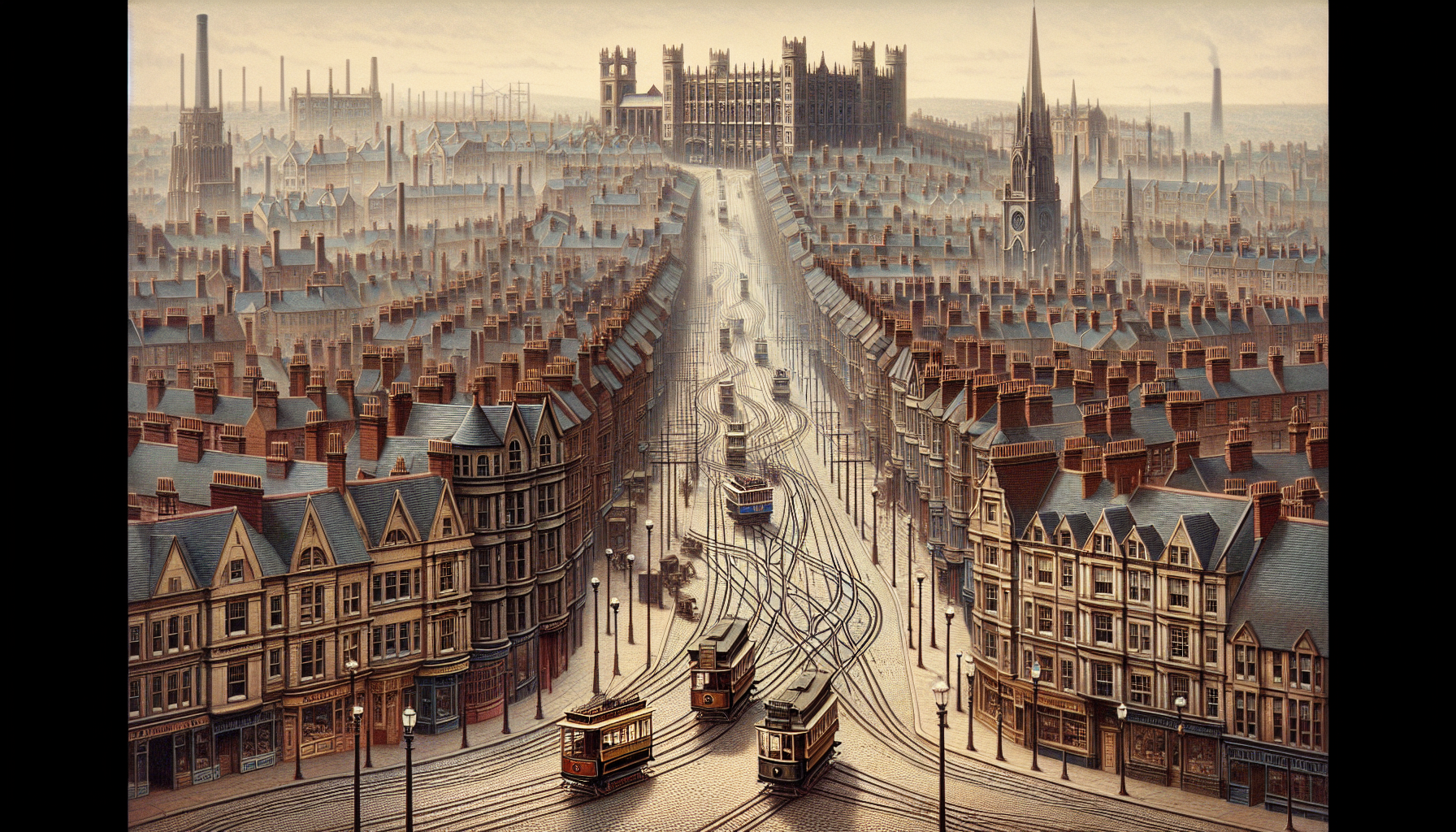
Real change came in 1895 when electric trams were introduced by the Bristol Tramways and Carriage Company. This wasn’t just a convenience. It was a declaration. Bristol wasn’t just keeping up; it was leading the charge. By the Edwardian era, trams had become an essential part of city life, winding their way through Bedminster, Redfield, and St. George.
What’s fascinating is how forward-thinking this system was. The early 1900s saw significant investment in expanding the network. Lines were modern, frequent, and surprisingly punctual. Yes, punctual public transport in Britain, would you believe!
I remember one conversation with a relative, now in her late 80s, who recalled taking the tram with her grandfather from Castle Park to Horfield. She described the seats. Wooden, a bit creaky. And the conductors who wore double-breasted uniforms and carried those chunky leather change dispensers. It was the highlight of any child’s day.
Why Did the Trams Really Vanish?
Fast-forward a few decades and the dream began to show some cracks. After 1937, Bristol’s trams. Once symbols of progress. Were systematically retired. But why?
On paper, the reasons seemed practical. Ageing infrastructure, costly upgrades, and the rise of motor buses. In reality, decisions were also clouded by politics and short-term planning.
Research shows that municipal records from the 1930s pointed to increasing clashes between trams and rising car traffic. Congestion was a real issue, and with trams being fixed to rails, they weren’t exactly known for their flexibility. The city council, motivated in part by road haulage interests, began favouring buses. They were cheaper to operate, didn’t need costly electrification, and could be rerouted easily.
By April 1941, after the Luftwaffe’s bombing raids further damaged the city’s fragile tram network, the final sections were scrapped. And just like that, Bristol’s trams disappeared. Abandoned in wartime rubble, remembered across generations.
Did We Lose More Than Just Transport?
It’s easy to look back and think, “Ah well, times change.” But I can’t help but feel that we lost something deeply valuable. Trams weren’t just a way to get around. They were part of the character of our city. They connected communities in a way that buses and cars rarely manage today.
Environmental reports from the early 2000s suggest that if more UK cities had retained and modernised tram networks, we could’ve significantly lowered carbon emissions from urban travel. Think about that. All that traffic, the noise, the pollution. It might have been a very different story had early tram systems been nurtured instead of scrapped.
Lessons Worth Listening To
Today, urban planners are revisiting these very ideas. Look at cities like Nottingham and Edinburgh. They’ve invested billions into bringing trams back. There’s even been recent discussion in Bristol’s council chambers about reintroducing light rail or tram-style transport. Whether it happens or not remains to be seen, but the appetite is certainly growing.
Authentic, electric, and better for the environment. Sound familiar?
It’s strange to think that something dismissed as “outdated” decades ago is now held up as a smart solution for the future. If nothing else, Bristol’s tramways remind us how easily we can undervalue infrastructure until it’s gone.
People often ask me what happened to remnants of the old network. Are the tracks still there? Is any of it preserved? The answer is yes, but you’ve got to know where to look. Head to Sandy Park Road, or even the backstreets near Clifton. Traces remain if you’re observant. And if you ask around. Locals who’ve lived here all their lives will likely have a story or two.
Bringing Old Tracks Into a New Era
There’s no use dwelling on “what ifs,” but there’s plenty to learn from them. If Bristol does one day revive its tramways, it won’t just be about infrastructure. It’ll be about reconnecting people to the soul of the city.
So next time you’re walking down a street and spot a rusting bit of rail disappearing into the asphalt, know this: you’re quite literally walking over a piece of Bristol’s heart.
Let’s not make the mistake of losing it again.
Frequently Asked Questions
Were Bristol’s trams really more efficient than buses?
Yes, in several ways. Electric trams were powered by clean energy and could carry more passengers on busy routes. Operational records from the 1920s show they experienced fewer delays than buses, particularly because of their dedicated tracks. However, the inability to reroute during road blockages was a major downside.
Is there any chance trams will return to Bristol?
Possibly. As of early 2025, Bristol City Council has initiated feasibility studies for a mass transit system, including the potential for tram-style light rail. No decision has been finalized, but public interest is growing rapidly, especially among environmental advocacy groups.
What happened to the old tram depots and infrastructure?
Some buildings, like the main depot at St. Philip’s Marsh, were converted into bus garages. Others were demolished post-war. You can still spot remnants of tracks, particularly in parts of East Bristol and down Whiteladies Road.
How did the tramways impact Bristol’s growth?
Tramways allowed workers and families to live further from the city centre, catalyzing suburban development. According to a 1933 city development report, districts like Horfield and Brislington saw population rises directly linked to tram access.
Why did other cities keep their trams while Bristol didn’t?
Cities like Blackpool and Sheffield made early investments to modernize their networks or repurpose them for tourism. Bristol, influenced by wartime damages and local politics, opted for what appeared to be the cheaper short-term alternative. Buses. The long-term vision simply wasn’t there at the time.
. Whether you’re a lifelong Bristolian or new to the city, our tramway story is more than dusty history. It’s a potent reminder: progress isn’t just about forging ahead. It’s about knowing what to preserve, when to adapt, and why some things are worth rolling back.