Anyone who’s ever wandered the winding streets of Bristol has probably felt it. That whisper of industry, the hum of a past that shaped not just a city, but an entire era. Victorian Bristol wasn’t just a cog in the machine of the Industrial Revolution. It was a driving force, fierce and full of ambition.
Let’s take a closer look at how this vibrant city became one of the unsung heroes of industrial Britain.
When Smoke Meant Progress
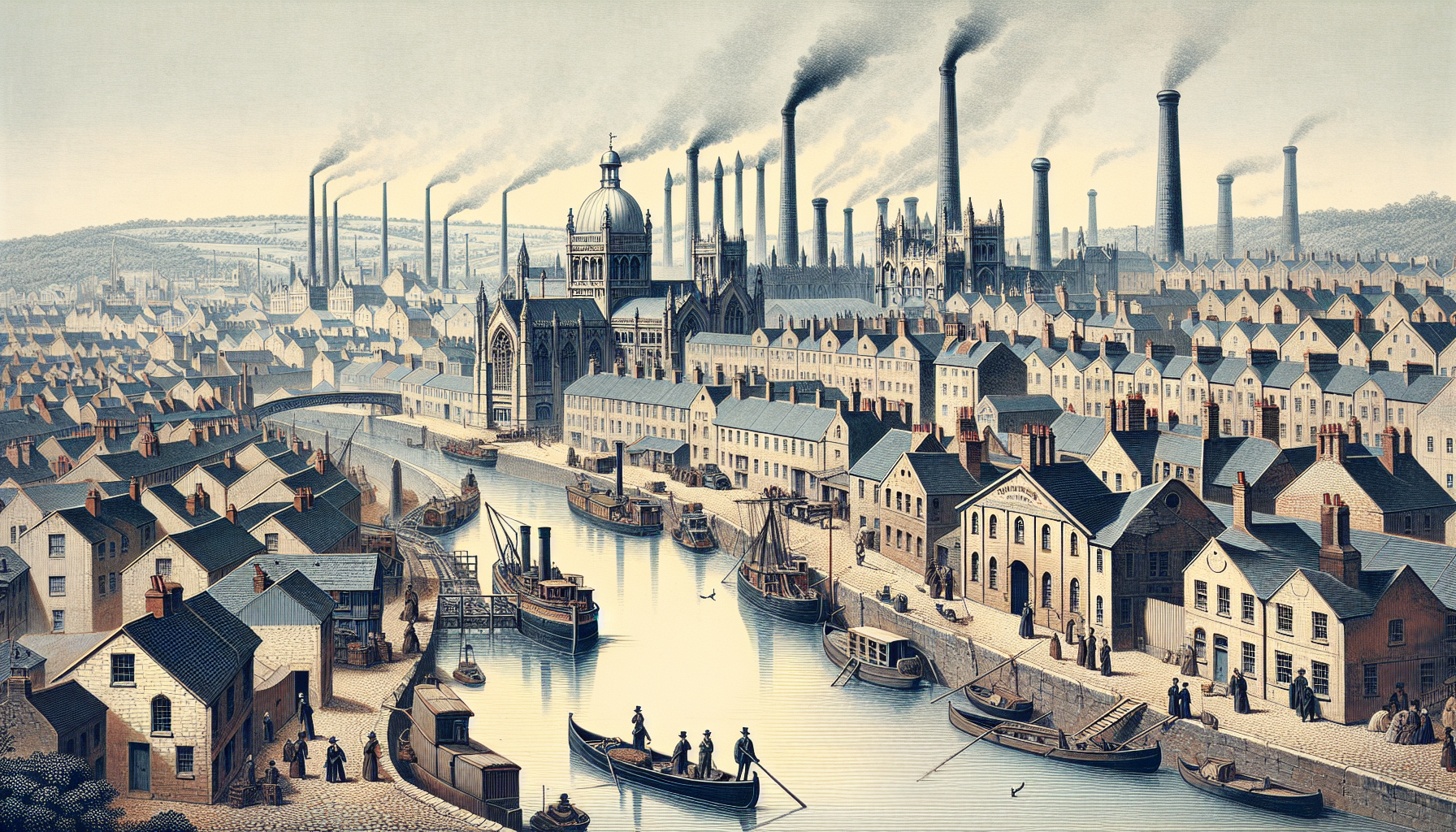
It’s hard to picture now, with cafes lining the waterfront and painted houses blinking out at the Avon, but Victorian Bristol was once blanketed in soot. The chimneys of Clifton Down might’ve seemed romantic at sunset, but back then, they were belching out smoke from hundreds of foundries, glassworks, and engines whispering Bristol’s industrial secrets into the sky.
At its heart, Bristol was resourceful. Always had been. Even before Queen Victoria took the throne in 1837, the city had been building ships, trading goods, and contributing to Britain’s maritime legacy. But the Victorian era poured accelerant onto that fire.
What kicked things into high gear? In a word: proximity. Bristol’s location made it a perfect hub. It sat comfortably between the coalfields of South Wales and the iron-rich valleys just east of the city. That combo of brains, brawn, and geography gave birth to a mini-empire of industrial innovation.
Brunel: The Man, the Myth, the Bristolian Legend
You can’t talk Victorian Bristol without name-dropping Isambard Kingdom Brunel. The man was a genius, full stop. His fingerprints are all over the city. From the majestic Clifton Suspension Bridge to the Great Western Railway and the SS Great Britain, a steamship so ahead of its time it practically rewrote naval engineering.
I had the chance to walk the deck of the SS Great Britain a few summers back, and let me tell you. Standing on those iron plates, knowing they once sliced through the seas as part of the longest passenger ship in the world, is nothing short of humbling. It’s a floating symbol of what Bristol dared to do.
Brunel didn’t just design infrastructure. He crafted ambition in steel and stone.
Where Industry Met Innovation
Bristol’s factories were more than smoke-stacked buildings. They were hothouses of experimentation. Tobacco processing, chocolate production, soap making. These weren’t cottage industries anymore. Think Wills Tobacco and Fry’s Chocolate. Both giants today, they got their industrial start right here.
Fry’s, in particular, caught my attention years ago when I discovered they were the first to mass-produce drinking chocolate. And get this. They even produced one of the first solid chocolate bars in the 1840s. That’s right. Every time you tear into a chocolate bar today, there’s a little piece of Victorian Bristol in the wrapper.
Engineers, chemists, labourers. Everyone had a role. You’ll find stories about workers as young as ten hauling coal in the docks or girls wrapping tobacco under flickering gaslight. It wasn’t glamorous, and it certainly wasn’t safe, but their efforts powered a world in transformation.
The Docks: Bristol’s Beating Heart
Much of Victorian industry would’ve sputtered out without the docks. For centuries, Bristol had relied heavily on its port, and come the 19th century, the builders and brass hats knew they had to evolve or be left behind.
And evolve they did.
The Floating Harbour, originally completed in 1809, was a marvel that allowed ships to load and unload regardless of the tide. But during the Victorian era, the docks were modernised and expanded, which meant coal, iron, tobacco, and even cocoa beans could pass through faster than ever. These weren’t just warehouses. They were cogs in a much bigger engine.
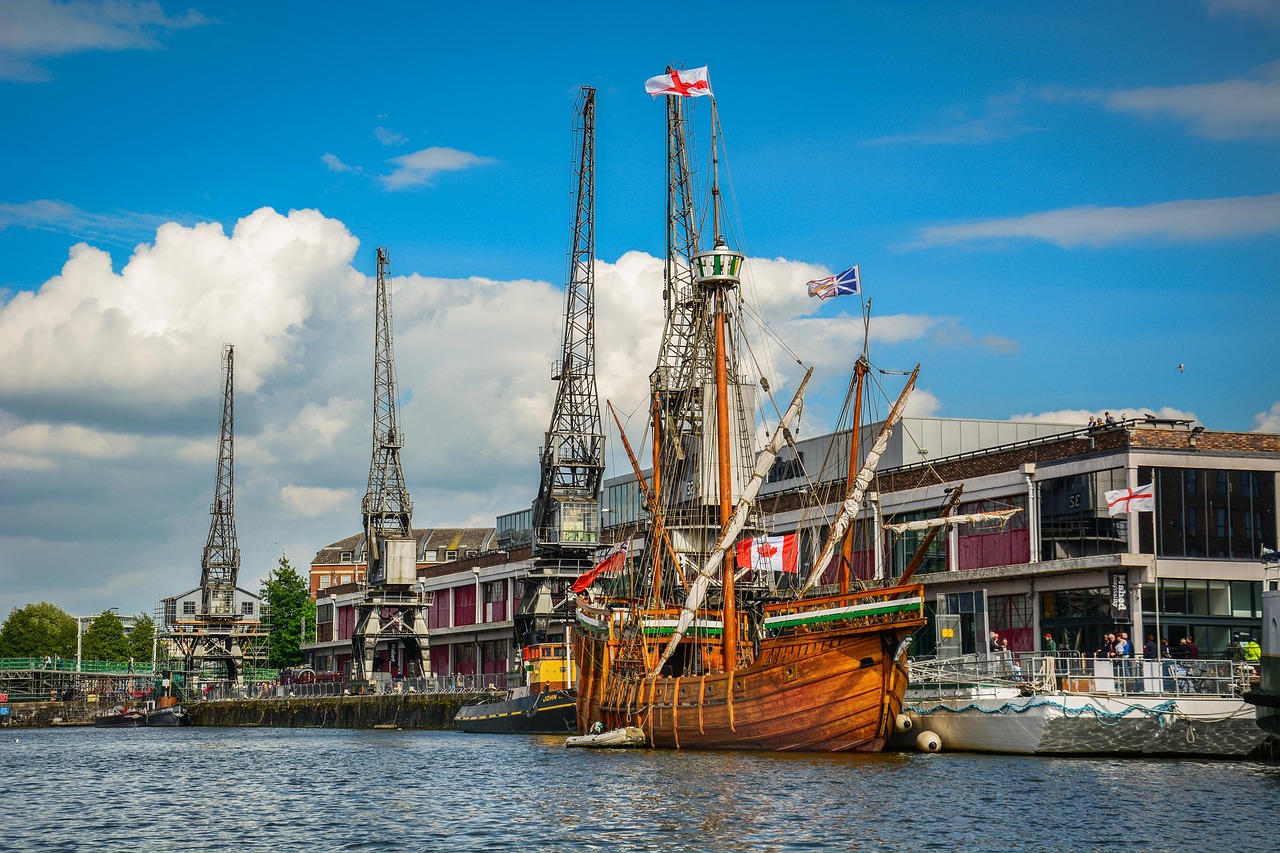
Today, walking past M Shed or the old cranes standing sentinel over the harbour, it’s wild to think how many tonnes of goods. And stories. Have moved through that very space.
The Human Cost
I’d be remiss if I didn’t talk about the sacrifices behind the steel and steam.
Working in Victorian Bristol wasn’t for the faint-hearted. Twelve-hour shifts weren’t uncommon, and injuries were a daily risk. Child labour, wage disparity, and the crushing weight of class division cast long shadows over the Industrial Age.
Yet, despite all this. Or maybe because of it. This period forged a resilient, resourceful community. Workers formed unions, people banded together for mutual aid, and institutions like the Bristol Industrial Mission laid the groundwork for fairer conditions.
Progress came at a price, but it also sparked change.
Legacy Written in Brick and Iron
What really strikes me about Bristol is how it’s managed to honour its industrial past without becoming frozen within it. Old warehouses now house artists, innovators, and small tech startups. Rail lines once planned by Brunel still carry commuters. Docks that once rang with the sound of hammers now echo with music and conversation.
The skeleton of industry remains. But it’s fleshed out with creativity, energy, and purpose.
Bristol didn’t just survive the Victorian age. It made the most of it, rolling up its sleeves, getting its hands dirty, and leaving a permanent mark on the map. It’s gritty and proud. Not flashy, but fiercely capable.
So the next time you wander around those cobbled quays or sip a pint beneath the arches of Temple Meads Station, remember: you’re walking through the story of a city that helped build an empire. One spark, one bolt, one vision at a time.
If this legacy speaks to you, dig deeper. Visit Bristol’s industrial sites. Support its museums. Learn about the workers whose sweat and sacrifice shaped the city. There’s so much more than what meets the eye. Just beneath the cobblestones, a furnace still burns.
Frequently Asked Questions
What industries dominated Victorian Bristol?
During the Victorian era, Bristol was a hotspot for manufacturing and maritime industries. Key sectors included shipbuilding, tobacco processing (notably W.D. & H.O. Wills), chocolate production (thanks to Fry’s), soap making, and metalworking. The port of Bristol also played a crucial role in trade and transportation.
Who was Isambard Kingdom Brunel and what was his connection to Bristol?
Brunel was one of the most influential engineers of the 19th century. His major contributions to Bristol include designing the Clifton Suspension Bridge, building the SS Great Britain, and helping establish the Great Western Railway. His work helped transform Bristol into an industrial and engineering powerhouse.
Did child labour exist in Victorian Bristol?
Yes, sadly it did. Like in much of industrial Britain at the time, child labour was prevalent in Bristol’s factories, docks, and workshops. Many children worked long hours under harsh and often dangerous conditions. Labour reforms later in the 19th century helped reduce these exploitative practices.
Is anything from Victorian Bristol still in use today?
Plenty. Brunel’s railway infrastructure, parts of the dock system including the Floating Harbour, and historical buildings such as Wills Memorial Building all remain functional or preserved. Many warehouses have been repurposed as museums, galleries, or commercial spaces.
Where can I learn more about Victorian industry in Bristol?
The M Shed museum offers detailed exhibits on Bristol’s industrial past. The SS Great Britain also provides an immersive experience into maritime innovation. Bristol Archives is another excellent resource, especially for those interested in historic documents and original records.