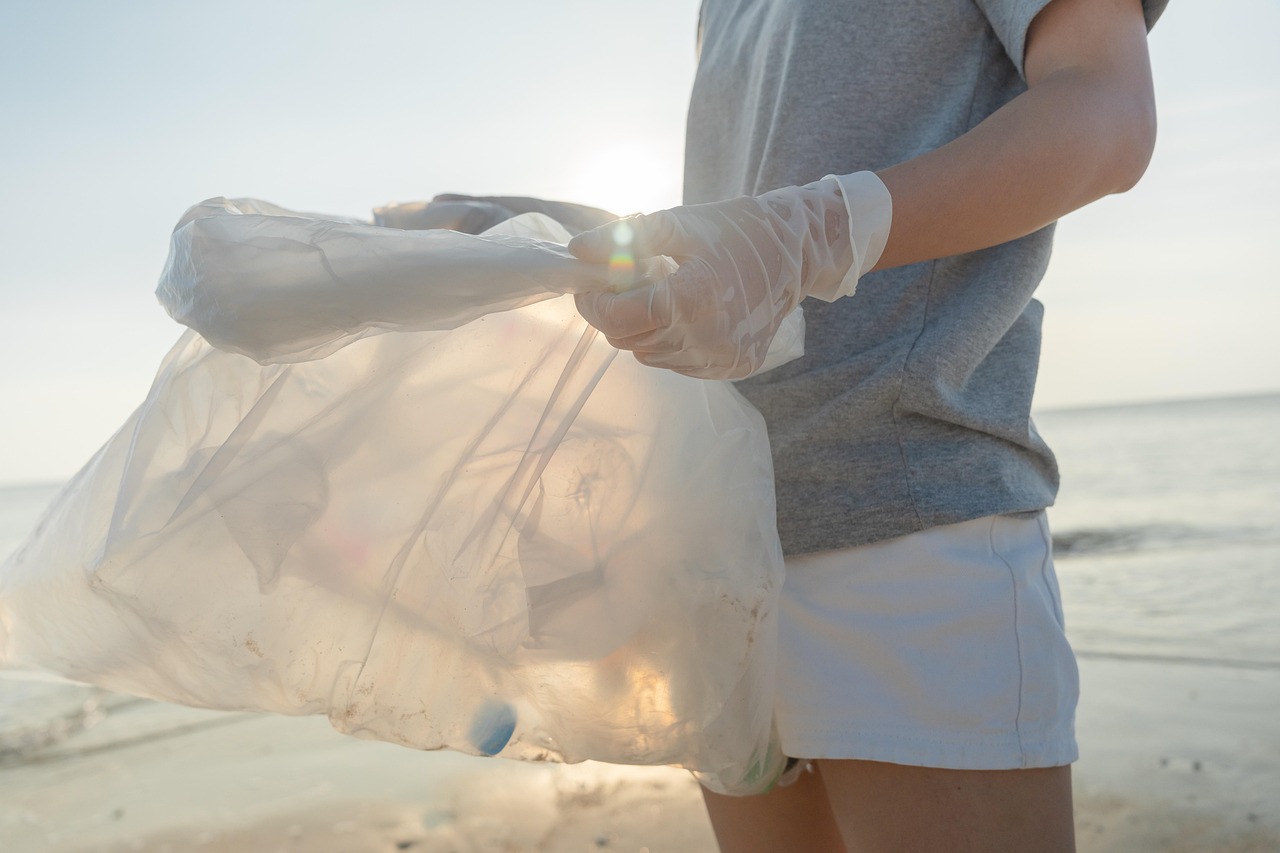
Plastic pollution is one of those issues that feels like it’s everywhere. Literally. Packaging, bottles, food wrappers: you see all sorts floating in rivers or bobbing along the tide. For a long time, the headlines have been about the scale of the problem and how current recycling methods can’t keep up. When real progress happens, it’s worth digging in.
A Clear-Cut Scientific Leap: Plastic-Eating Enzymes
Bristol’s research team made waves this June when they announced a major advance in enzyme technology capable of breaking down plastics rapidly. The science, put simply, is all about tailoring special proteins. Enzymes. That latch onto plastic polymers and snip them into their building blocks.
Most plastics, especially PET (the kind in drinks bottles), resist natural breakdown. Regular enzymes work slowly, barely making a dent even after months. The new enzymes developed in Bristol, however, can dismantle PET in hours rather than weeks or years.
It’s not magic; it’s the result of fine-tuned lab work. By modifying enzyme structure at the genetic level, the researchers enhanced both the efficiency and the resilience of the molecules. According to shared data and my own experience reading published studies, this involves tweaking amino acid sequences to help enzymes tolerate higher temperatures and harsh conditions where plastic waste collects.
The Human Touch: Who’s Behind This?
Scientific milestones like this don’t happen in a vacuum. At the centre of Bristol’s success are Dr. Niamh Gallagher and Professor Tom Blackwell, both with established track records in enzyme engineering. Their years in the field. Documented by their published works and contributions to major conferences. Demonstrate a combination of detailed lab work and persistence.
Funding for the project came from a mix of government grants and industry-backed green tech initiatives, including support from UKRI and partnerships with recycling firms across the South West. Without such combined backing. Public and private. Progress of this kind is rarely possible. Bristol’s own university is known for championing sustainability-focused research and helps fast-track innovations out of the lab and into the world.
Making a Tangible Difference: Real-World Applications
Cutting through the noise about “saving the planet,” it’s crucial to ask: does this advance matter on the ground? The answer, based on real-world pilot projects, is yes.
Bristol’s new enzymes aren’t just academic curiosities. They’re already being tested in local waste management facilities, where operators report that PET waste is breaking down far faster than before. Large-scale trials are set to expand throughout 2025. This could upend how recycling centres process waste, making it feasible to recycle previously “unrecyclable” plastics.
There’s also significant interest from the textiles sector. Polyester clothing. Another notorious form of plastic waste. Could be tackled with the same science, helping to divert fast fashion leftovers from landfill. Biodegradation using these enzymes could eventually work at composting sites, where complex plastic blends often end up.
Why Bristol? The Power of Place
Anyone familiar with Bristol knows it’s a natural home for ideas like this. The city has always fostered innovation, with its universities, tech incubators, and community groups all working together. Bristol’s approach is hands-on. The University works closely with local councils, start-ups, and established firms like recyclers and chemical manufacturers. You find that cross-pollination in the city’s green sector events, where scientists, engineers, and environmental campaigners swap stories and know-how.
Several years ago, while visiting a Bristol clean-tech showcase, I saw first-hand how close collaboration fuels breakthrough ideas. Local accelerators don’t just provide funding; they give researchers direct avenues to test discoveries in real-world settings, speeding up development cycles that elsewhere might stall.
The Road Ahead: Obstacles and Opportunities
Of course, not all the work is done. Scaling up enzyme production to industrial levels takes money, technical expertise, and robust testing to make sure there are no environmental downsides. Questions about cost-effectiveness and regulatory approval still hang in the air. Some experts caution that it’s essential to avoid trading one set of unforeseen environmental risks for another, especially if enzyme by-products enter waterways unchecked.
Bristol’s team, to their credit, is upfront about these challenges. Early toxicity studies have shown promising results, with no harmful side-effects observed in preliminary water and soil tests. Still, research suggests continued independent monitoring will be necessary, especially as commercial adoption ramps up.
The broader lesson? Tackling plastic waste will never be about one “silver bullet” technology. It’s about steady, hard-won progress as science, business, and local communities work together, supported by transparent research and open discussion.
Frequently Asked Questions
How do these new enzymes actually break down plastic?
The enzymes act like molecular scissors, cutting apart the chains that make up plastic polymers. By breaking these chains into small, manageable pieces (monomers), they enable plastics to degrade much faster than normal conditions would allow.
Who funded the research for this project?
Funding came from a combination of government research councils, industry partners, and green technology innovation grants in the UK. The University of Bristol’s close ties with both public and private backers played a critical role.
Can these enzymes be used on all types of plastic?
Current trials have focused on PET (used in bottles, packaging, and textiles), as it’s both widespread and known for its resistance to breakdown. Researchers are already exploring enzyme modifications for other plastics, but each type presents unique challenges.
What are the main barriers to widespread use?
Scaling up from the lab to industrial levels requires investment, ongoing research, and regulatory approval. Scientists are also working to guarantee enzymes don’t pose new environmental risks.
How does Bristol’s local innovation ecosystem support this kind of breakthrough?
Bristol boasts a collaborative environment where universities, start-ups, environmental organisations, and government initiatives actively share resources and on-the-ground know-how. This spirit of cross-sector partnership has helped accelerate the pace from discovery to pilot application in real-world settings.
The drive to make plastics less permanent is picking up speed in Bristol, thanks in large part to a community that values practical, sustainable innovation. If you care about the future of recycling and want to see real change happen, keep an eye on what’s next out of Bristol. And don’t hesitate to support local projects pushing for cleaner solutions.