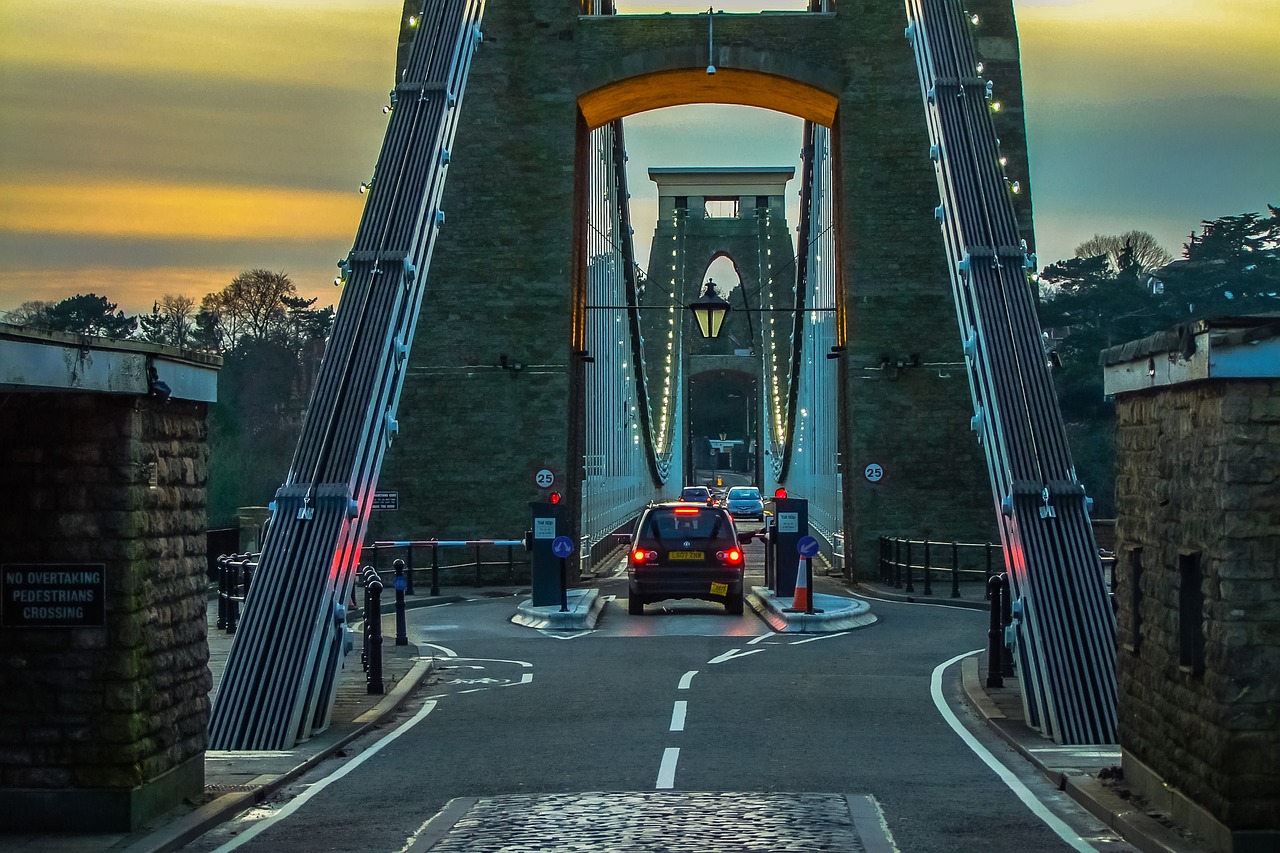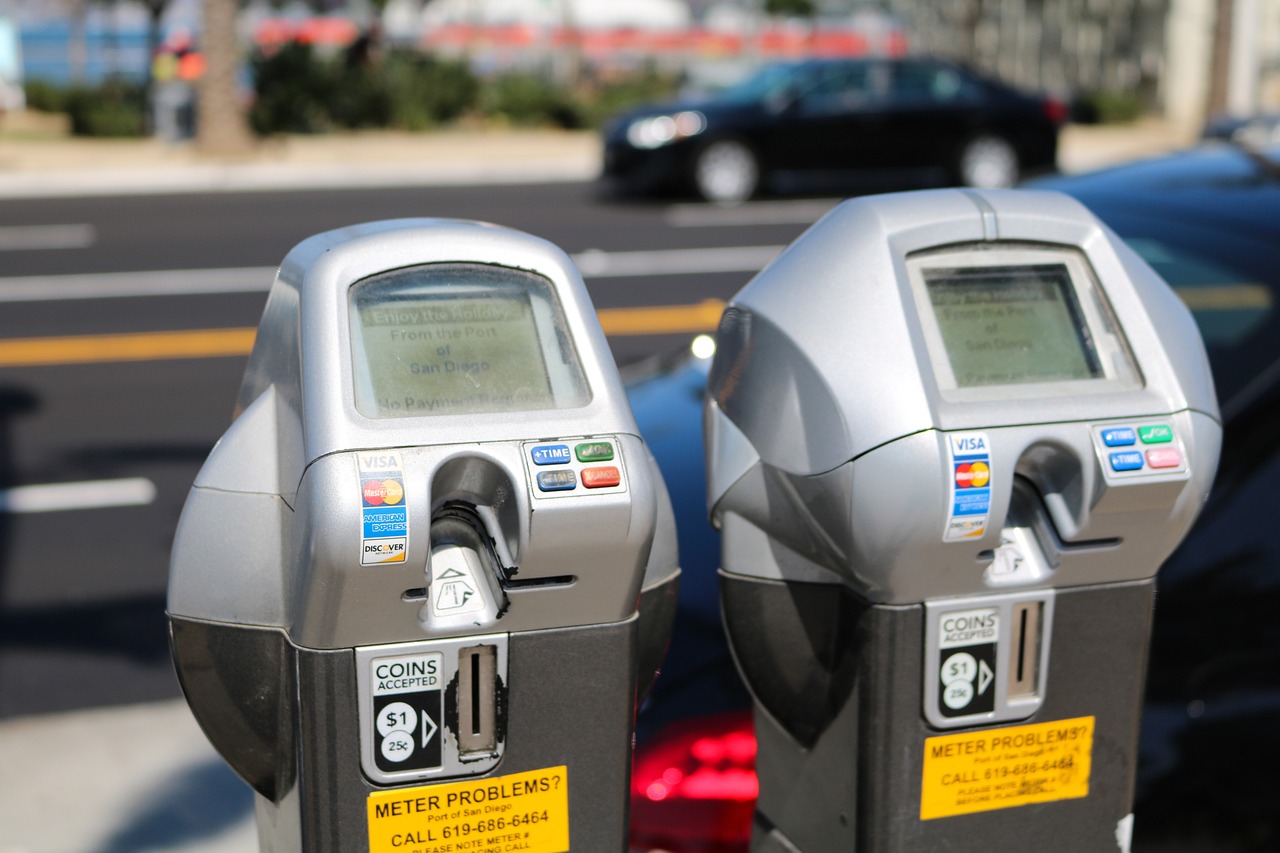
Big changes rolled into Clifton Village’s parking scene recently, and plenty of us who live, work, or run businesses in Bristol are starting to feel the fallout. For those who don’t spend every day in Clifton, this isn’t just a local issue. It has the potential to reshape the heart of one of the city’s busiest and most characterful quarters. Here’s what’s going on, what it means for the area, and why traders are raising their voices in concern.
What’s Changed: The New Parking Tariffs and Zones
Clifton Village, long known for its blend of boutique shops and bustling cafés, now faces a sharp rise in parking costs. The new tariff system, rolled out across several key zones, reverses the familiar hourly structure and ushers in higher rates, steeper fines, and more restricted time slots in areas that were once more relaxed about short stays.
- Hourly rates have risen significantly. Shoppers and visitors now face charges well above previous levels, especially for stays over 30 minutes.
- The extent of the paid parking zone has widened, pulling in (for the first time) some side streets that traders relied upon for customer access.
- Evening and weekend rates are now in play, unlike previous years when these times were free or discounted.
The motivation behind these changes, according to council statements, lies in controlling congestion, deterring all-day parking by commuters, and smoothing out traffic hot spots. On paper, these are solid municipal aims. In practice, though, the impact on day-to-day trade has been far more jarring.
Traders’ Reactions: Worries and Real Effects
Retailers and hospitality owners in Clifton typically operate on thin margins, dependent on steady footfall and loyalty from both locals and out-of-town visitors. Since the price hike, many have reported a distinct drop in business compared with earlier months. One shop owner who’s run a business in the area for over ten years shared that there’s a new pattern: regulars are coming less frequently, and one-off customers don’t linger as long.
It’s no secret that high parking charges can be a deterrent. When shoppers are calculating not just the price of their morning coffee or gifts but also the cost of leaving their car nearby, it fundamentally changes their willingness to browse at leisure. Some businesses that cater heavily to tourists. Especially those selling gifts, art, or experiences. Say they’re seeing far fewer spontaneous customers. Research in urban planning shows time and again that ease of parking plays a key role in the health of high street economies, particularly those that aren’t heavily reliant on commuters.
Anecdotally, business groups in the area have attempted to relay these concerns directly to the council, citing tangible dips in takings and more empty spots in shops and cafés during hours that would usually be bustling with visitors.
What Does This Mean for Clifton’s High Street?
If these trends continue, there could be lasting consequences for the streetscape and character of Clifton. Smaller, independent retailers may struggle the most. Especially those with neither the margins nor footfall of national chains. It’s worth remembering that Clifton’s charm comes precisely from this diversity, not just big-brand presences.
Apart from the immediate hit on shops, there’s a knock-on effect for the area’s tourism sector. Bristol prides itself on weekend stays and city breaks, and high out-of-pocket parking costs could make tourists think twice about dropping by for an afternoon of shopping or a meal. Shorter visits and reduced dwell time don’t just mean lower sales. They can start to make whole sections of a neighbourhood feel less inviting, chipping away at the community spirit that has defined Clifton for decades.
Council Response and the Path Forward
When pressed for comment, the local authority has reaffirmed its commitment to “managing traffic flow” and “balancing the needs of residents, businesses, and visitors alike.” Council representatives have indicated they’re monitoring the situation and will review the new charges and boundaries in due course, but there’s little clarity on when. Or how significantly. This review might affect the current policies.
Council documents suggest these changes are part of a broader citywide push for more sustainable transport, but the rapid implementation has left many feeling their needs were overlooked. Business leaders want open dialogue, and there’s hope that collated trading data from this summer will provide a clear case for adjustments.
The Broader Perspective
As someone who’s navigated both the business side of Bristol’s retail landscape and the simple frustrations of trying to park with a family on a busy Saturday, this isn’t just a numbers game. The lived reality is clear: high streets need accessible, affordable parking to thrive. That’s not just conjecture, but a fact backed by previous studies in cities up and down the UK.
Traders aren’t asking for a return to free-for-all parking. Sensible charges, seasonal offers, or at least more thoughtful communication around changes could go a long way to ease tensions. As things stand, there’s a feeling of disconnect. A sense that economic health and sustainable traffic flow could both be possible, with a bit more creative thinking from decision-makers.
Frequently Asked Questions
What are the new parking charges in Clifton Village as of June 2025?
The rates have increased across key shopping and dining zones. Short stays over 30 minutes are notably more expensive, with certain high-demand streets now seeing the highest rates Bristol has seen to date. Weekend and evening tariffs are now enforced in areas that were previously less regulated.
Are there any plans for these parking charges to be reviewed?
Council representatives have stated that the impact of these changes will be monitored, with a planned review later in the year. No specific date or proposed amendments have been confirmed as of June 2025.
How are retailers affected by these parking changes?
Several high street businesses have experienced a decline in footfall and lower average transaction values since the rates increased. This impact is being felt most keenly by independent traders and those whose customers rely on convenient and affordable short-stay parking.
What can shoppers do if they want to support local businesses in Clifton Village?
Opting for public transport, cycling, or parking slightly farther away (where rates may be more manageable) can help. Being conscious of the pressures these businesses face is also valuable. Many are offering incentives or loyalty rewards to encourage repeat visits despite the new charges.
Is there any precedent for council-led parking charge reviews in Bristol?
Historically, Bristol City Council has adjusted parking schemes following consultation periods and business feedback. While this doesn’t guarantee changes, ongoing dialogue and well-presented evidence from business communities have led to previous policy tweaks in the city.
The coming weeks and months will be telling for Clifton’s trade, with plenty of eyes watching to see if tweaks or fresh ideas can restore balance between accessibility and sustainability. For now, supporting local businesses in whatever way possible remains more important than ever. Every small decision adds up, and collective voices can genuinely shape the outcome for one of Bristol’s most treasured neighbourhoods.