Public Consultations Open on Temple Quarter Mega-Development: How to Make Your Voice Heard
As someone who’s kept a close eye on local redevelopment for years, I can say with certainty: Bristol’s Temple Quarter project is already one for the history books. And now, with public consultations officially open this July, there’s a genuine chance for residents, businesses, and community groups to influence how this corner of the city will look and function for decades to come. Let’s break down what’s actually happening, how you can get involved, and why your voice is more important now than ever.
Three Visions, One Future: Where to View the Proposals
First, the plans themselves. The city’s put forward three distinct options for the future of Temple Quarter, each presenting a different approach to layout, land use, and the delicate blend of history with ambition.
You can view these proposals through a variety of official channels:
– Online: The main consultation hub, hosted on the Bristol City Council’s website, details each of the three proposals in accessible language, with maps and visual aids.
– In-person exhibitions: Physical displays are set up at key locations around the Temple Quarter area, including Bristol Temple Meads station and the Engine Shed. These are staffed during peak hours, so you can ask council reps any questions and get the facts straight from the planning team.
– Local libraries and community centres: Printed summaries and feedback forms are available at select local libraries across central and east Bristol, ensuring those without digital access aren’t left out.
Not sure where to start? I always recommend stopping by in person if possible. The opportunity to chat with planners face-to-face really does make the options clearer, and seeing the scale models brings the vision to life in a way online leaflets simply can’t match.
Hot Topics: What Feedback Is Needed Right Now?
It’s tempting to think “the council will do what it wants anyway.” Not true. History shows that robust consultation often forces real change, especially in areas like Temple Quarter, where local knowledge frequently trumps theory.
The main issues open for public comment right now include:
– Transport: How will bus routes, cycling lanes, and pedestrian zones blend with the increased footfall? The plans outline different approaches to active travel and car use, which affect daily life for thousands.
– Housing Density and Mix: With 10,000 new homes on the table, questions around affordability, height restrictions, and family housing are front and centre.
– Green Spaces: Open areas, riverside walks, and tree planting are all up for refinement based on public priorities.
– Local Economy: The impact on independent businesses, markets, and workspace for creatives is being hotly debated.
– Heritage and Sustainability: Balancing Bristol’s industrial past with its climate pledges remains a core theme. Your feedback on this could have a genuine impact.
Having talked to local campaigners and planners in the past, I’ve seen just how quickly the agenda can shift when enough people speak out on a sticking point. Don’t underestimate the power of collective input.
Timeline and Structure: How the Consultation Works
The public consultation is structured to maximise accessibility and transparency:
– Initial Display and Feedback: The three proposals are available now, with feedback windows open until mid-September 2025.
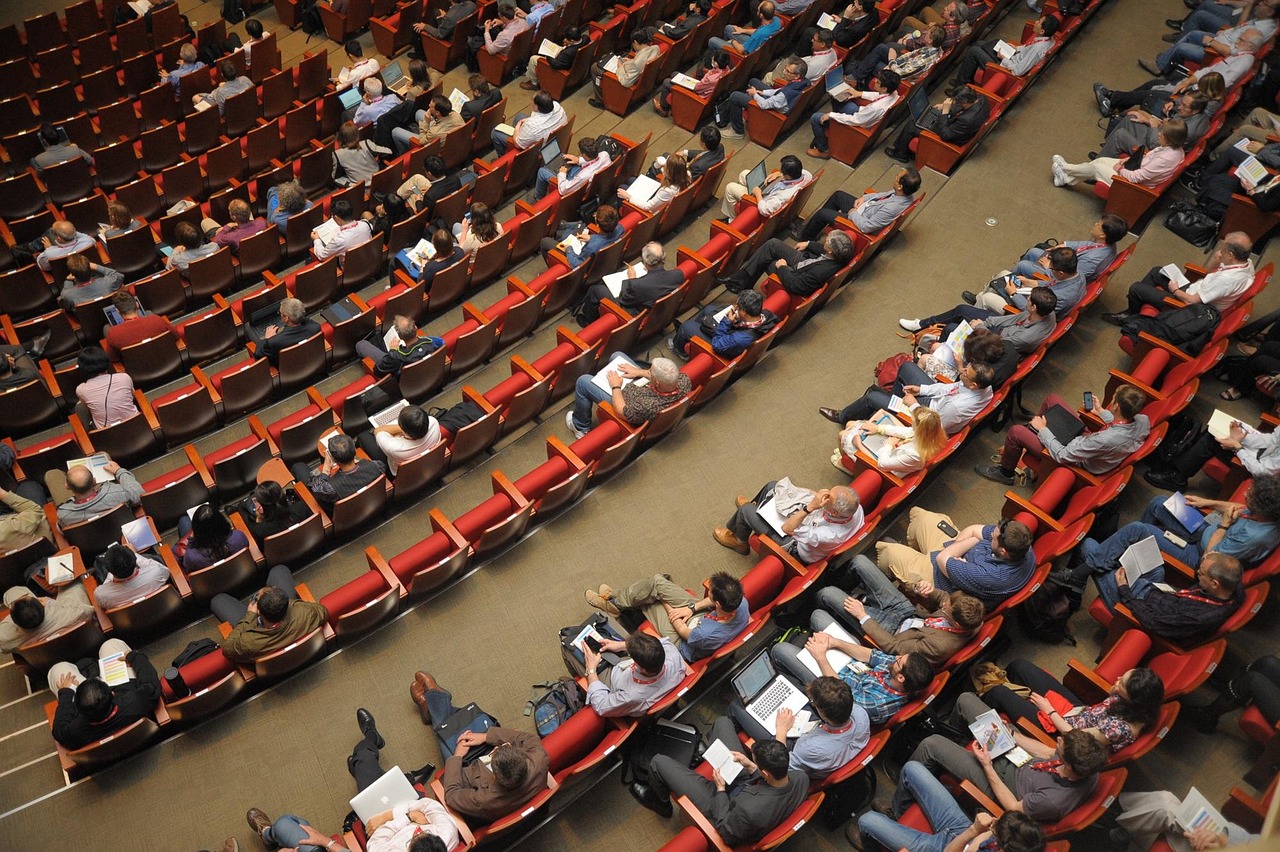
– Public Meetings: A mix of drop-in sessions and formal Q&A events will happen throughout July and August, held at central venues and streamed online for those unable to attend in person.
– Survey Submission: Online and paper forms let you respond as an individual or group. You can rate each proposal and provide specific suggestions or concerns.
– Analysis and Reporting: The council commits to an independent review of all feedback, with a summary report published before any further decisions are made.
– Chosen Plans Announced: Decision on the preferred plan expected by November, giving time for further tweaks ahead of formal planning submission.
How Your Feedback Is Used
Rest assured, responses aren’t just tossed into a digital bin. Recent consultations on major Bristol projects. Such as the Broadmead expansion. Led directly to significant design changes and mitigation measures. All properly submitted feedback is logged, summarised, and included in the public decision record. Councillors have to explain how they responded to collective concerns, which means your comments carry real weight.
It’s worth mentioning that responses from community groups often have particular influence, since they aggregate the views of dozens. Or even hundreds. Of residents.
Getting Your Group or Network Heard
If you’re involved with a neighbourhood association, youth group, business network, or advocacy campaign, this is your moment. Coordinated feedback carries clout. Here are practical steps to make your input matter:
– Organise a group review: Hold a meeting to discuss the proposals, ensuring every voice is included. Collate concerns and opportunities.
– Submit an official group response: The council’s portal accepts responses on behalf of organisations, allowing you to highlight collective support or opposition with evidence and testimonials (from your own group members only).
– Reach out to local councillors: Communicate directly about your group’s priorities. Elected representatives are under pressure to reflect consensus when the final decision is made.
Many groups also use local media to highlight their position, amplifying their message at just the right time. I’ve watched several campaigns succeed by simply making enough noise to get picked up regionally. The same could work here.
Why Your Voice Matters. And What Happens Next
Think your feedback won’t move the needle on such a huge project? Every time Bristol has opened the books on a major redevelopment, pushback and constructive criticism have shaped outcomes for the better. Ongoing debates over affordable housing in Temple Quarter have already forced the council to revisit its numbers and rethink its offer.
From my own experience attending consultations years ago for smaller projects, I’ve seen how even short, well-phrased comments land in final reports. One resident’s point about accessibility in Castle Park’s redesign ended up influencing layout tweaks that made a real difference.
Public engagement isn’t just a box-ticking exercise. If you care about where you live, shop, travel, or raise a family, it’s worth 15 minutes of your time.
This is the chance to set the direction for Temple Quarter. Not just for policy wonks and planners, but for everyone who calls Bristol home. Don’t let it pass by.
Frequently Asked Questions
Where can I find the full details of each proposal for Temple Quarter?
All three proposals are available online through Bristol City Council’s consultation website, with detailed maps, summary videos, and downloadable booklets. Printed copies are available at Bristol Temple Meads station, Engine Shed, major city libraries, and designated community centres in the Temple Quarter area.
How do I make sure my feedback is actually considered?
The consultation process is legally required to record and analyse every valid submission. Individual and group feedback is reviewed by independent analysts, with key themes summarised in a public report. Councillors must explicitly address significant feedback in their final decisions, giving community comments genuine influence.
What are the most common issues people want to change in the current plans?
Residents have so far raised questions about the balance between affordable housing and high-end developments, the need for better active travel routes, concerns around building heights, and how new green spaces will be managed. Economic opportunities for locals and environmental sustainability also top the feedback pile.
Can my organisation or group give formal feedback?
Absolutely. Community groups, advocacy networks, businesses, and resident associations can submit official responses. These submissions are often given extra attention, especially when backed with clear evidence or collective consensus.
How long is the public consultation open?
Feedback on the proposed plans remains open until mid-September 2025, with decision-making meetings and final plan recommendations expected later in the year. This allows plenty of time for thorough public debate and detailed analysis before anything is set in stone.
Your participation isn’t just invited. It’s crucial. Speak up, ask questions, or rally your neighbours. The future of Temple Quarter really does depend on what Bristol says next.