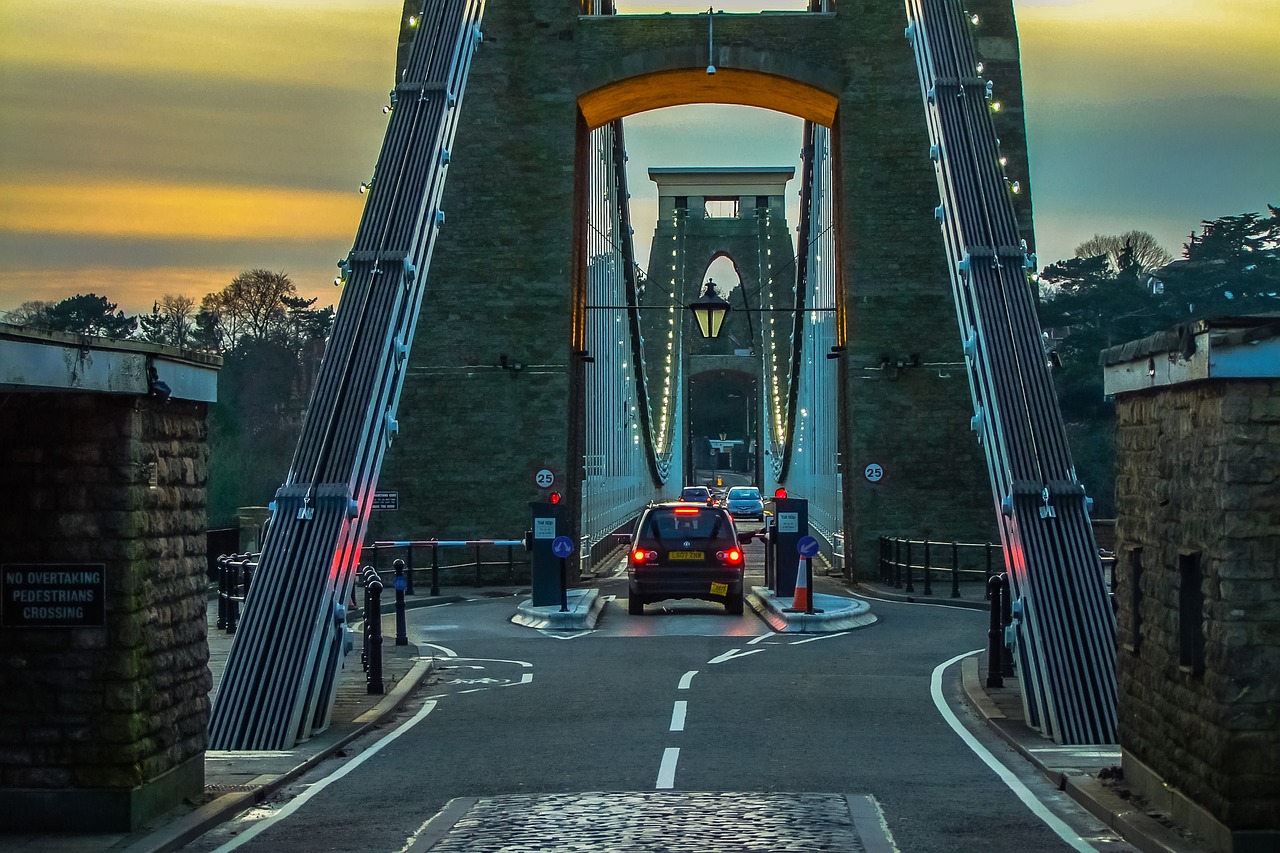
Bristol has hit a remarkable milestone. According to official figures released on June 23, 2025, the city’s population has now surged past the 500,000 mark for the very first time. After years of steady growth, there’s a particular buzz in the air, with leaders, local businesses, and residents all wondering: what happens next for one of the UK’s most dynamic cities?
Bristol’s Population Boom: The Numbers Behind the Story
Let’s focus on the data first. Mid-2025 estimates confirm that Bristol’s population now exceeds 500,000, a jump that places it squarely among the UK’s fastest-growing urban areas. Compared to a decade ago. When the population hovered around 450,000. Today’s figure signals sustained inward migration, rising birth rates and a trend for people to stick around rather than move out to the suburbs or further afield.
Several factors are at play here. From the city’s thriving tech sector and world-class universities to its unique independent culture and green credentials, Bristol’s pulled in talent and families from across the UK and beyond. Professional experience in local housing and community engagement has shown me this isn’t just about the numbers. Every additional family, every new student, every entrepreneur adds a layer of vitality. But also pressure. On local systems.
Housing: Opportunity or Crisis?
With a population surge comes the inevitable question: where will everyone live? The city council’s 2025-2027 Interim Affordable Housing Delivery Plan highlights the scale of the challenge. House prices in Bristol have consistently outpaced national averages, leaving many first-time buyers struggling and rent inflation a regular feature on local news.
Key points on the current housing situation:
- Affordability remains a major headache. Research from Bristol’s own JSNA 2025/26 profile shows house prices rising faster than average incomes, intensifying demand for both private lettings and social homes.
- New builds are underway in several locations, such as the 140 new homes at Dovercourt Road in Lockleaze, aiming to cater to growing demand and specific needs within communities.
- Community-led housing schemes have gained traction, especially in Lockleaze, where neighbourhood trusts actively shape developments to reflect local priorities.
- Areas like Clifton still attract high demand, but rising prices risk squeezing out long-term residents unless innovative policies step in.
Experience working alongside community housing groups in Bristol has taught me that successful projects blend pragmatism with personal agency. Residents drive what gets built, not just developers. This approach is gaining favour as traditional routes prove too slow to meet today’s unprecedented demand.
Transport and Infrastructure: Keeping Bristol Moving
Doubling down on public transport and urban mobility isn’t just a wish-list item anymore. Major changes to the city’s road network are planned throughout 2025, focusing on easing congestion and expanding options for walking, cycling, and green travel. Multiple council business plans point to the centrality of transport reform in accommodating so many newcomers.
Traffic is already a daily sore spot for commuters. Expanding public transport capacity and smarter use of road space are being fast-tracked, with citywide consultations and pilot schemes taking root from Temple Meads outwards. Sustainable transport adoption is also flagged as a vital plank in city policies, driven by necessity rather than aspiration.
From first-hand involvement in local planning consultations, the speed of infrastructure change can often lag behind population spikes; that’s been the story in Bristol for years. But there’s real momentum now, especially as investment flows and civic buy-in catch up with the urgency on the ground.
How the Council and Businesses Are Plotting the Future
The city council and business collectives aren’t sitting back. Bristol’s Corporate Strategy 2025-2030 recognises both the risk and opportunity of this tipping point, setting out goals for sustainable growth, inclusive prosperity, and climate-resilient planning.
- Council policies are being revised to strengthen affordable housing targets and unlock brownfield sites for mixed-use development.
- Business districts, particularly around Temple Meads, are seeing partnerships that blend commercial, residential, and leisure space. Bolstering the city’s mixed-use ambition.
- City Leap and other green investment initiatives are steering development with an eye on future-proofing Bristol’s infrastructure, driving both carbon cuts and economic output.
Having taken part in several business plan reviews across Bristol this year, it’s striking how much closer council and commercial interests now work: rapid urban change sharpens everyone’s focus, from planning officers to property developers to investors.
Spotlight on Fastest-Growing Areas: Clifton, Temple Meads, Lockleaze
Drill into the data and three names leap out. Clifton, Temple Meads, and Lockleaze. Each area tells its own story:
- Clifton continues to attract both young professionals and students, drawn by picturesque streets and proximity to key institutions. However, the area wrestles with sky-high rents and limited family housing.
- Temple Meads is undergoing a major facelift. Plans for new mixed-use quarters and improved transport links are accelerating regeneration, making it one of the hottest prospects for residents and investors alike.
- Lockleaze stands apart for its grassroots approach. Community-led builds are increasing, new council homes are gradually popping up at One Lockleaze, and local voices heavily influence development.
Personal involvement with Lockleaze neighbourhood groups really highlights how home-grown solutions trump top-down models, especially as communities wrestle with outsized challenges and expectations.
Urban Development: Rethink in Progress
Bristol’s planners are candid. Multiple long-term urban development plans are being revisited in light of these population stats. What was ambitious two years ago now risks lagging behind reality. Mixed-use development, greater housing density. Especially near transit corridors. And stepped-up investment in health and recreation facilities are already on the drawing board.
What’s clear from direct engagement with both the city’s strategy team and grass-roots organisations is this: radical collaboration will define Bristol’s next era of growth. No single actor. Whether council, business, or community. Can go it alone.
The Verdict
Crossing the half-a-million line is both a badge of honour and a wake-up call. Bristol’s dynamism remains palpable, but stability and fairness demand collective effort and smart, inclusive policies. This city’s capacity for reinvention, civic engagement, and practical action is, from my own experience, what sets Bristol apart nationally.
The decisions made in boardrooms and community halls over the next year will shape not just where people live and how they travel, but how Bristol retains its soul. Want to help shape that future? Get involved. With your neighbourhood association, business network, or by joining the council’s public consultations. Everyone living in Bristol now has a stake in crafting the next chapter.
Frequently Asked Questions
What triggered the recent surge in Bristol’s population?
Several factors: thriving tech and creative sectors, the city’s top universities, and its reputation for inclusivity and green space. These attract both UK-born movers and international newcomers, while natural population growth has contributed as well.
How will the city address the affordability crisis in housing?
There are interim affordable housing plans already in motion, increasing the supply of both council homes and community-led schemes. However, rising land values mean the challenge remains significant, requiring joint action between public and private sectors.
Is Bristol’s transport network equipped for the growth?
Significant upgrades are planned, particularly around Temple Meads and city centre routes. While current demand sometimes outstrips supply, major infrastructure projects and sustainable travel plans are being rolled out at pace through 2025 and beyond.
Which areas of Bristol are growing fastest?
Clifton, Temple Meads, and Lockleaze are currently among the top growth zones. Each has seen significant population movement and targeted development, with tailored responses to meet differing local needs.
Who can get involved in planning Bristol’s future?
Any resident, business owner, or community group can participate in local consultations, join neighbourhood forums, or collaborate on new housing and transport schemes. The city council maintains open channels for public engagement, especially as policy is being reshaped for this new era of growth.