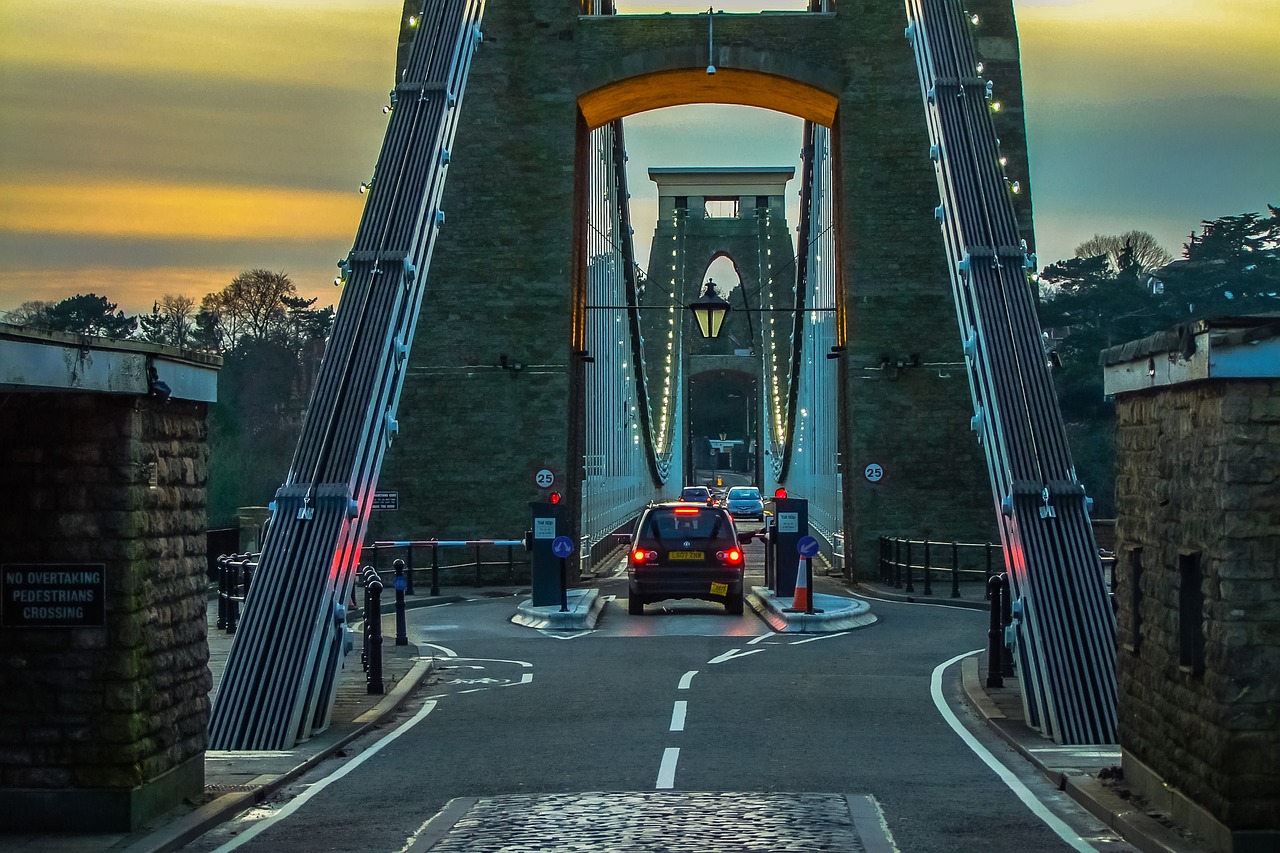
Blistering temperatures swept through Bristol on June 23rd, shattering previous June records and leading to a Level 3 heat-health alert across the city. Authorities, including Public Health England and our local NHS representatives, wasted no time issuing public warnings and mobilising key city services to keep residents safe.
What Does a Level 3 Heat-Health Alert Actually Mean?
Most people see an “alert” and think it’s just a bit of heightened awareness. That’s not the full story with a Level 3 heat-health notification. This status is triggered when temperatures remain consistently above the regional threshold. At least 30°C during the day and 15°C at night. For two or more consecutive days. The impact is very real: our hospitals see a spike in admissions, and the risk of heat-related illnesses jumps for everyone, especially for older adults, very young children, and those with chronic health conditions.
Safety Measures and Warnings
The rapid onset of this heatwave caught some off guard. Local authorities moved quickly, issuing targeted advice for at-risk groups. Care homes and assisted living facilities in Bristol dialled up their preventative routines, ensuring residents had access to extra water, shaded areas, and ongoing wellness checks.
General recommendations included:
- Staying indoors during peak sunlight hours, ideally between 11 am and 3 pm
- Drinking plenty of fluids (preferably water, and not just tea or coffee)
- Closing curtains and blinds to keep homes cool
- Wearing loose-fitting, light-coloured clothing to reduce heat absorption
- Checking in on neighbours and loved ones
The atmosphere in my local community was noticeably different. Even the most robust people I know were commenting on the oppressive air and seeking shelter in shopping centres and libraries, both of which extended their opening hours in response.
Impact on Bristol’s Transport, Schools, and Healthcare
Anyone who had the misfortune of needing public transport on June 23rd knows first-hand that the city’s services were tested. Rail operators struggled with track heat expansion, leading to delays and, occasionally, cancellations. Personal vehicles weren’t much better off: several drivers were left stranded as engines overheated in slow-moving traffic, especially near Temple Meads and the M32 inbound during the evening rush.
Schools across the city moved swiftly into modified schedules. Many adopted early dismissals, and afterschool sports or outdoor activities were cancelled outright. Local headteachers issued statements assuring parents that hydration measures were in place, and many classes swapped lessons for time in air-conditioned or shaded areas.
Bristol’s NHS facilities confronted increased footfall in urgent care and emergency rooms, as heat exhaustion, dehydration, and exacerbation of respiratory issues became common complaints. Staff reported higher than usual admissions, especially from the city’s more vulnerable wards and elderly communities.
Tips for Staying Cool and Safe
Through my own professional interactions in community care and years spent working alongside NHS outreach, several practical lessons remain untouchable:
- Prioritise ventilation: Open windows on opposite sides of your home to encourage cross-breezes if it’s safe.
- Avoid large, hot meals: Lighter snacks and regular water breaks help.
- Take cool showers or baths: This simple step saves many from dangerous overheating.
- Never leave anyone in parked cars: This is no exaggeration; circumstances can turn life-threatening in minutes.
- Keep an eye on medications: Some prescriptions are less effective or more dangerous in high heat.
Small choices, made daily, can prevent the worst consequences of a heatwave. And I’ve seen, time and again, the difference a little awareness and community spirit can make.
City-Wide Response Efforts
Bristol City Council collaborated swiftly with both NHS and Public Health England, deploying heatwave strategy measures with precision. Temporary hydration stations popped up in central locations and transport hubs, while homeless outreach teams stepped up patrols, distributing bottled water, hats, and sunblock.
Emergency services increased staffing to handle anticipated demand, while social care partners reached out to at-risk individuals known to them. Local news channels maintained steady updates, ensuring that everyone from business owners to young families could stay informed.
Even local businesses joined the effort. Cafés and shops offered free tap water refills, and many opened their doors to anyone needing a cool-down spot, regardless of whether they were customers.
An Eye on Climate. And the Future
This episode serves as a wake-up call. It isn’t just about one day of soaring mercury; it’s a developing pattern that resonates with wider changes in national climate. Bristol’s ability to mobilise so robustly on short notice offers reassurance, yet persistent high-temperature events are testing for even the best-prepared systems.
From my experience, the most important lesson is not to downplay warnings. Health officials and city planners are working from hard data and painful lessons learned. Every recommendation is made for a reason. What we do today, and how communities respond, sets the stage for those who come next.
Frequently Asked Questions
What makes a Level 3 heat-health alert different from lower levels?
Level 3 signifies that health risks from heat are significant and ongoing. Unlike Levels 1 or 2, it means proactive measures are needed, especially for the most vulnerable, to prevent illness and injury.
Which groups are most at risk during a heatwave in Bristol?
Older adults, young children, people with pre-existing health conditions, and those without easy access to shade or hydration face the greatest danger. City-wide, outreach prioritises these groups, but everyone is encouraged to take precautions.
How has the heatwave affected transport in Bristol?
Hot weather has led to rail delays due to metal track expansion, road congestion, and increased reports of car breakdowns. Council and transport officials recommend checking service updates before travelling and, where possible, avoiding unnecessary journeys during peak heat.
Are healthcare services still running as normal?
Healthcare staff are under significant strain due to increased admissions for heat-related illness. Emergency rooms and urgent care centres are open, but non-urgent appointments may be rescheduled to cope with demand.
What should I do if I start feeling unwell during a heatwave?
First, move to a cooler area immediately. Drink water and rest. If symptoms include confusion, high body temperature, or severe headaches, seek medical help at once. It’s always better to be cautious than to underestimate the heat.
Staying prepared and alert, not just during a single heatwave but as a part of ongoing community response, gives us all the best chance to thrive when the sun shows its fiercest side. The challenge is real, but so is the resilience in every corner of Bristol. Look out for each other. And don’t hesitate to share this vital information with friends, family, and neighbours.