It started like any other Monday morning, with commuters across Bristol gearing up for the start of a fresh week. Coffee in hand, traffic reports murmur in the background . Nobody expects their routine to be turned upside down. But on the morning of June 23, 2025, the pulse of Bristol’s rush hour was thrown into chaos after a serious collision involving a lorry on the M32.
Immediate Impact: The Crash Unfolds
The incident occurred during the early hours just as the city’s road network sparked to life. Emergency services responded swiftly to the scene near Junction 2, deploying ambulances, fire crews, and police to manage the situation. For those of us who regularly use the M32, the sudden halt and the blue flashing lights are a sight we all dread. Given the size and complexity of clearing heavy goods vehicles, the authorities worked meticulously to ensure safety first and foremost, even if it meant lengthy road closures.
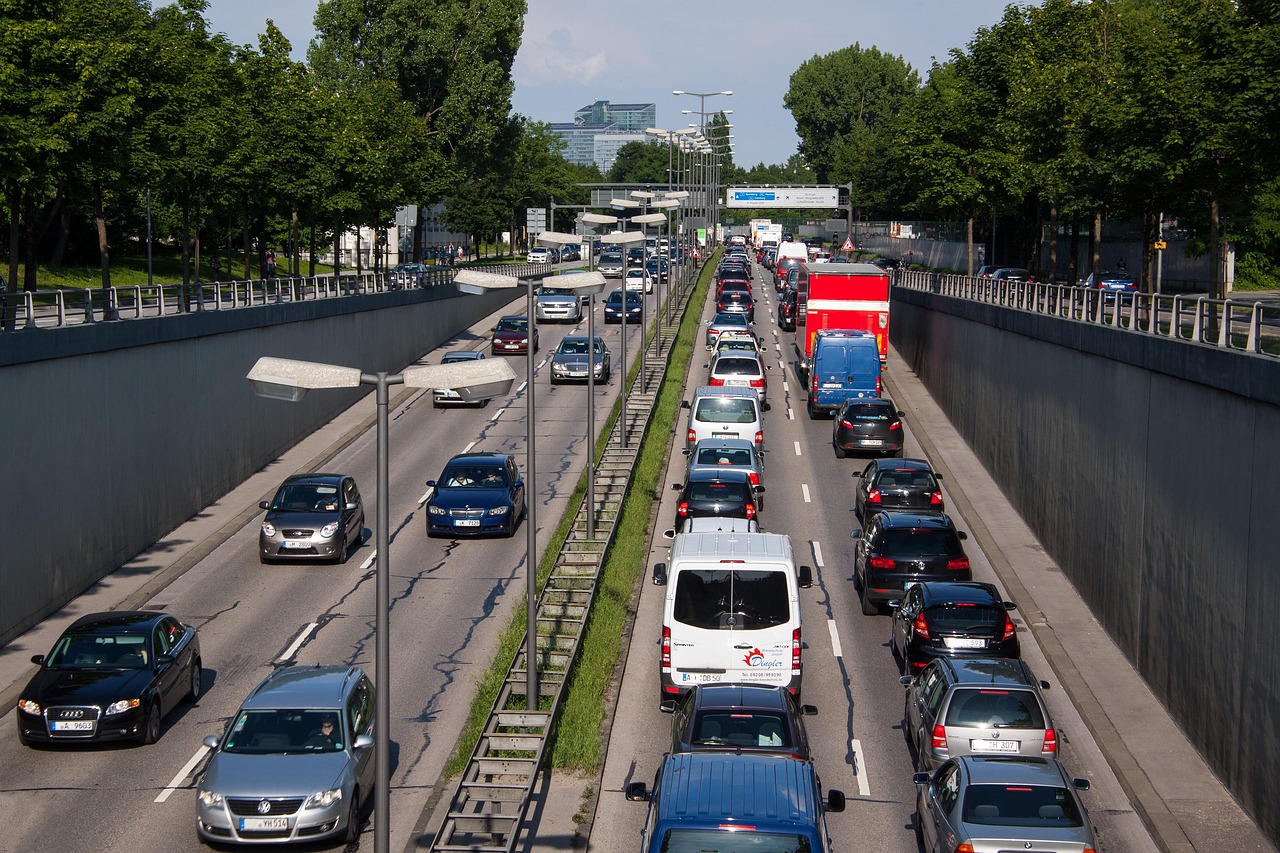
Having been stuck in similar gridlocks before, I can attest to the ripple effect such incidents have on mood and productivity for the rest of the day. Seeing traffic stretching back for miles, drivers leaving their vehicles to seek updates, and a general air of uncertainty . It’s something Bristol residents know all too well.
Traffic Diversions and Widespread Disruption
The closure of the M32 northbound and partial blockages southbound left the city gridlocked. Key roads such as Newfoundland Street, the A4032, and feeder routes to the city centre bore the brunt of redirected vehicles. Traffic in Stokes Croft, Easton, and beyond quickly ground to a halt, with journey times multiplying.
Many drivers were directed to secondary routes, only to find alternative roads equally congested. There’s nothing quite like watching your estimated arrival time inch up on your GPS, minute by agonizing minute. This wasn’t just an inconvenience; businesses missed deliveries, workers clocked in late, and essential services faced inevitable delays.
How Public Transport Took a Hit
Public transportation networks felt the shockwaves almost instantly. Bus routes operating along the M32 corridor faced detours or outright cancellations, with passengers left waiting at stops for extended periods. Train services in the greater Bristol area, always a solid backup, also experienced knock-on delays due to increased demand and road traffic impacting feeder buses.
First Bus services issued updates throughout the morning, but for many commuters the uncertainty made patience wear thin. Students heading to exams, NHS staff switching shifts, and key industry workers all found themselves in limbo. One colleague described the stress of darting between bus stops in a desperate bid to make a 9am meeting, only to arrive nearly two hours late. When a single incident has this level of citywide impact, it highlights just how interlinked our networks are.
The Role of Emergency Services
Emergency responders played a crucial role in coordinating road closures, diverting traffic, and assisting any injured parties. The professionalism and speed with which doors were pried open, casualties assessed, and traffic redirected demonstrated a well-drilled response protocol. As someone involved in logistics for many years, such real-time problem-solving is always impressive to witness . Though one hopes never to need it personally. Their efforts ensured that a difficult situation was managed as efficiently and safely as possible, preventing further incidents amid the gridlock.
Lessons for Bristol’s Commuters
After an event like this, it’s worth taking stock. Major incidents shine a spotlight on areas where Bristol’s infrastructure is under pressure and how rapidly gridlock can spread. Anyone who’s sat in bumper-to-bumper traffic, trying to calculate alternative routes or reschedule their morning, knows just how frustrating it can be.
Some practical advice based on both experience and best practice:
- Stay plugged into live updates. Local radio, transport apps, and social feeds can make a significant difference in making last-minute route changes.
- Consider flexible travel plans. Employers adopting work-from-home policies or staggered start times can help ease pressure on peak hours.
- Have backup transport methods in mind, from train to bike to foot . Versatility is a commuter’s ally.
- Remain patient and cautious on the road. Tempers can flare easily, but safety must come first when diversions are in place and emergency services intervene.
The Broader Picture . A Wake-up Call
This lorry crash was not just today’s headline. It raises questions about the resilience of Bristol’s transport network and city planning. Are we moving fast enough on smart traffic management, real-time information systems, and the integration of alternative transport modes? The M32 serves as a vital artery for business and day-to-day life in Bristol. Once that’s blocked, the city quickly recognizes how vulnerable it is to sudden disruption.
Change rarely comes overnight, but one can’t help but reflect that, with every such incident, calls grow louder for better infrastructure and coordination. From my own professional background in fleet operations, robust contingency planning and regular review of incident response strategies are non-negotiable. This event has underlined the importance of partnership between transport agencies, local businesses, and the community at large.
Frequently Asked Questions
What caused the lorry crash on the M32?
The precise cause of the crash is being investigated by authorities, with initial findings focusing on factors such as driver error, road conditions, or potential mechanical failure. All details released so far point to a singular incident involving a heavy goods vehicle, resulting in significant obstruction and damage that required a comprehensive emergency response.
How long were roads closed, and when was normal traffic flow restored?
Emergency services closed portions of the M32 for several hours to allow for recovery operations and safety inspections. Disruption peaked during the morning rush hour and lasted until early afternoon, with all lanes reopening after thorough checks and road surface repairs.
Were there any injuries reported as a result of the crash?
Paramedics treated individuals at the scene, and while initial reports did not indicate life-threatening injuries, some people were taken to hospital for further assessment as a precaution. The full extent of injuries is subject to ongoing updates from official channels.
How did the incident affect public transport across Bristol?
Both bus and connecting train services experienced major delays as traffic on surrounding roads spilled over to key transport hubs. Certain bus routes were temporarily suspended or rerouted, while mainline trains absorbed increased passenger loads due to increased demand from stranded commuters.
What should commuters do to prepare for future incidents like this?
Maintaining awareness through real-time information services, having contingency plans for travel disruptions, and considering alternative modes of transport such as cycling or walking when feasible are all effective strategies. Local businesses and organizations should continue advocating for, and investing in, more resilient transport infrastructure and flexible working policies.
Transport disruptions test Bristol’s resilience regularly, but incidents like these also remind everyone . Commuters and city planners alike . Of the continuous need for improvement. If you depend on the city’s key routes, stay proactive, and share feedback with local authorities to ensure every journey through Bristol gets that much smoother. If you have thoughts or direct experiences from this event, start a conversation . Change comes from shared insight and determined action.