Tucked away by Wild Place, just a stone’s throw from Cribbs Causeway, an ambitious transformation is rewriting Bristol’s conservation future one brick at a time. The former Bristol Zoo Gardens. An institution that carried memories for generations. Is steadily morphing into a powerhouse for wildlife protection and research. As of July 2025, progress on the Bristol Zoo Project is both visible and impressive. Having followed Bristol’s conservation journey for over a decade, watching structural frameworks rise and habitats take shape feels strangely personal. It’s not every day you witness a beloved city institution reinvent itself into a forward-thinking, global conservation hub.
Construction and Scheduled Opening
Work on the new conservation centre at Wild Place has reached pivotal milestones in recent weeks. The main education centre and dedicated research facilities have emerged from what was once overlooked land on the city’s edge. According to verifiable reports released July 2025, construction crews are well ahead of their revised schedule, with interior fit-outs ramping up sharply over the summer. Public anticipation is palpable as the Bristol Zoological Society confirmed this morning their forecasted opening is on track for the spring of 2026.
Walking the grounds last week, it struck me just how extensive the development truly is. Fences are coming down around several completed habitats, while specialist teams are prepping enclosures for species that have rarely. If ever. Been seen in this part of the UK. What used to feel like a day out in the city’s heart is evolving into an immersive experience at the intersection of science, sustainability, and education.
New Species and Exhibits
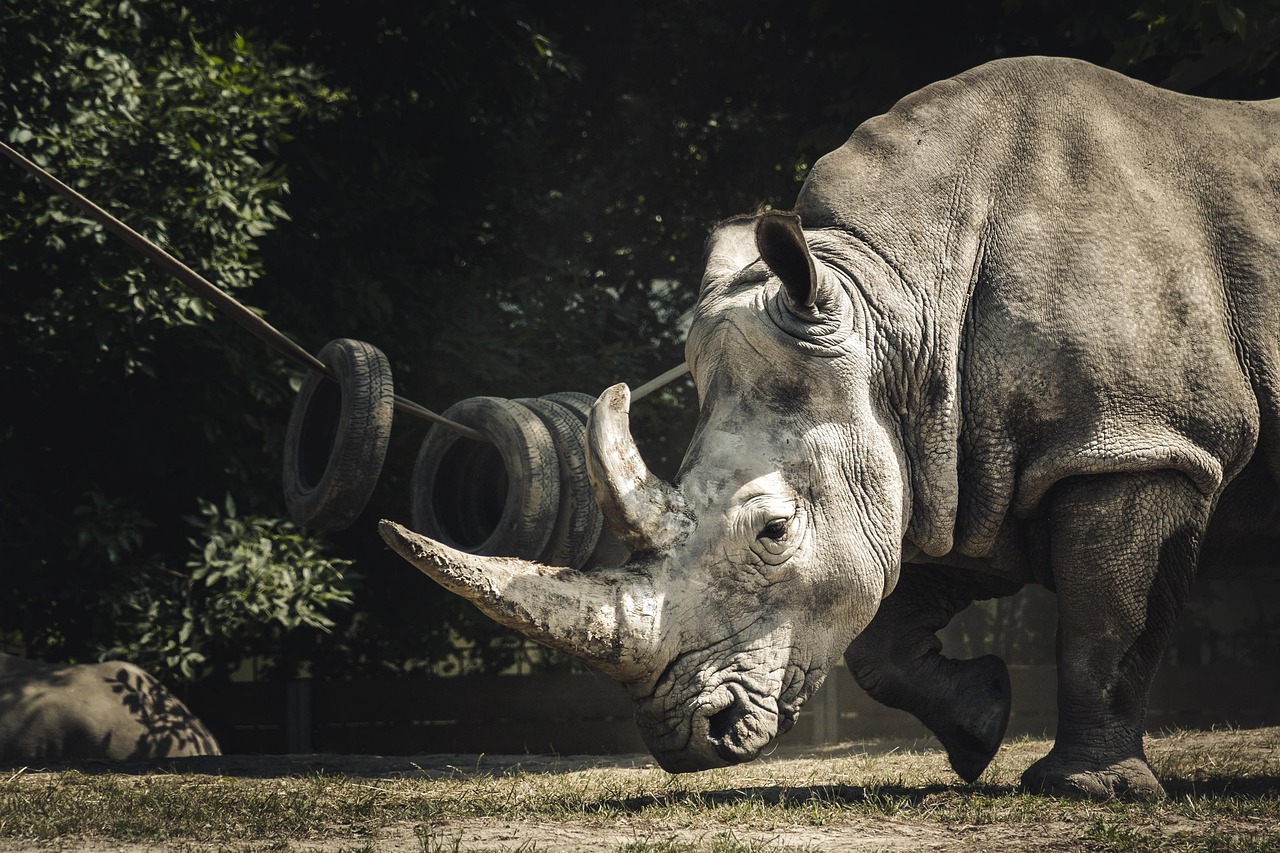
Among the most talked-about elements of the Wild Place project are the revelations around new animal species and themed habitats. Verified updates from project managers indicate that plans include welcoming endangered primates, expanded breeding areas for lemurs and amphibians, and innovative mixed-species exhibits designed to mimic fragile wild ecosystems. These are not simply showcases. Each habitat is structured to support international breeding programs and foster multidisciplinary research.
I remember visiting the original Bristol Zoo as a child. Stepping into the old reptile house was always a thrill, but what’s upcoming is a different league. Interactive spaces will allow schoolchildren and researchers alike to observe animal behaviours first-hand, supported by the latest in digital monitoring. Sustainable materials feature throughout, a nod to Bristol’s wider climate ambitions. Always a point of pride in local conservation circles.
Conservation Goals and Partnerships
It isn’t just about bigger enclosures or new animals. The Bristol Zoological Society has doubled down on its mission to protect biodiversity on a global scale. Data from conservation strategy releases this year highlights collaborations with international bodies such as the IUCN, alongside local partners like the University of Bristol. Their efforts now span thirteen countries, tackling urgent issues like amphibian decline, habitat destruction, and wildlife disease mitigation.
The excitement among research colleagues is tangible. Shared access to the new biosecurity labs and wild veterinary stations is being called a “game-changer” for fieldwork logistics. Reviewers from the European Association of Zoos and Aquaria have already commented on the project’s alignment with best-in-class welfare and environmental standards.
Public Response and Ticketing
Anticipation always brings chatter, and this project is no exception. Since ticketing details surfaced two weeks ago, demand for early bird passes has soared. Public forums across Bristol reveal a mixture of nostalgia for the old gardens and genuine curiosity about what’s coming next. Questions often focus on ticket pricing, but official announcements have stressed accessibility with family passes, educational group discounts, and expanded volunteer opportunities.
As someone who’s attended several public information sessions, the level of engagement is honestly remarkable. People ask about behind-the-scenes tours, conservation volunteering, and opportunities for hands-on education. There’s a sense that this isn’t just a zoo. It’s a resource the community is ready to own.
Climate Action and Sustainability
It’s impossible to separate the Bristol Zoo Project from the city’s bold climate action plans. Recent council reports point out that the wildlife centre’s blueprint sits squarely within Bristol’s target for net zero by 2030. Solar panels, renewable heating, and rainwater harvesting are standard across the site, while transport links have been mapped to prioritise low-carbon access.
From my professional experience consulting on sustainable infrastructure, the commitment here isn’t mere box-ticking. Strategies align with emerging EU eco-certification benchmarks, and every phase requires validation by independent environmental auditors. For visitors and locals alike, this blends conservation with real-world climate solutions. Something not every project in the UK can claim.
A New Era for Bristol Conservation
The sheer scale and ambition of the new Bristol Zoo Project signal a watershed moment for wildlife protection in the region. This isn’t just another tourist attraction. Instead, it’s a living laboratory, an education engine, and a rallying point for conservation-minded people here and abroad.
If you’re invested in Bristol’s environmental leadership, now’s the time to get behind this project. Whether you work in science, education, or simply love wildlife, there’s an open invitation to be part of something larger than yourself. Early tickets are disappearing fast, so keep an eye on official announcements and consider how you or your organisation might play a role in this remarkable transformation.
Frequently Asked Questions
When will the new Bristol Zoo Project at Wild Place officially open?
The latest confirmed update states that the Bristol Zoo Project is targeting a spring 2026 opening. Construction milestones are being met ahead of schedule, but the final opening date will be shared once inspections and safety protocols are complete.
What new animal species are expected at the centre?
The Bristol Zoo Project plans to introduce several endangered and rarely-seen species, including primates and amphibians. The centre’s approach focuses on species that are part of international conservation and breeding programs. Official species lists will be updated in line with animal welfare standards.
Will ticket prices be affordable for local families and schools?
Organisers have committed to a broad ticketing scheme that includes family passes, educational discounts, and concession rates for local groups. Details on specific pricing and booking processes will be released closer to launch.
How does the project support Bristol’s climate action strategy?
The site has been designed in direct alignment with Bristol’s net zero 2030 goals. Sustainability features include renewable power, eco-friendly construction, green transport links, and extensive rainwater management systems. These measures have been validated through both municipal and independent environmental review.
Are there volunteering or learning opportunities for the public?
Yes, the project will feature expanded volunteer programs and hands-on education initiatives, open to all age groups and backgrounds. From habitat restoration to guided learning experiences, the new centre is committed to fostering local talent and environmental awareness. Keep an eye out for volunteer drives leading up to the grand opening.