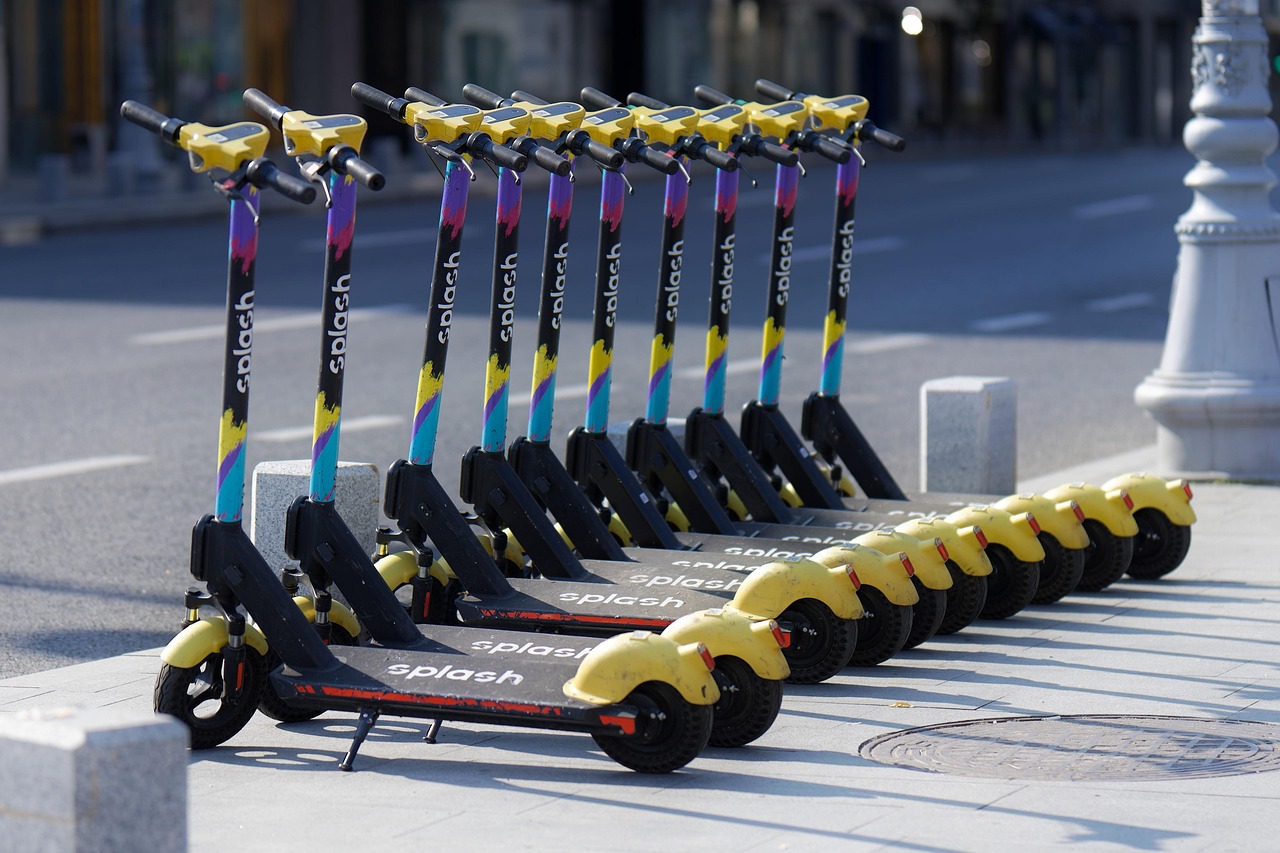
There’s been a distinct buzz. And not the one coming from electric wheels. Across Bristol today as police carried out a focused operation against illegal e-scooter usage. The unmistakable blue lights were seen in several busy parts of the city, from the bustling centre to leafy residential streets, as officers seized 20 e-scooters in a single day. For many, this signals something much bigger than a routine sweep: it’s a wakeup call for commuters, couriers and everyday riders alike on the city’s shifting stance towards personal mobility.
Where Police Acted and Why the Crackdown Came Now
The operation was concentrated in areas that have become hotspots for e-scooter traffic: prominent shopping districts, arterial commuting routes, and neighbourhoods where foot and road traffic frequently collide. These zones aren’t chosen at random. The data from complaints, near-miss incidents, and past enforcement actions pinpoint where public safety and nuisance concerns are highest.
The move reflects genuine unease among the public. Reports from the past several months have highlighted frequent issues: private e-scooters weaving through crowds, ignoring signals, or being used in pedestrian-only areas. I’ve personally noticed, on my morning runs along Gloucester Road, how unpredictable e-scooter traffic can be, sometimes forcing people onto the curb. It’s not just about annoyance. Recent city surveys and data from local NHS trusts note a significant uptick in admissions related to e-scooter incidents.
Police representatives explained that the clampdown aims to enforce established UK law. Unlike the scheme-run lime green e-scooters available for hire, privately-owned e-scooters remain illegal on public roads, pavements or cycle lanes unless properly insured, taxed, and registered. A logistical mountain almost no private owner in Bristol has climbed.
Penalties and Offences in Focus
Today’s operation didn’t stop with seizures. Fines were issued on the spot, with some users facing charges for riding without a license, insurance, or the correct registration. Police were clear: being unaware of the law isn’t a valid defence.
Here’s what’s at stake for e-scooter users under current UK traffic regulations:
- Riding without insurance: Up to £300 fixed penalty, 6 penalty points on your driving licence.
- No driving licence: Prosecution through the courts, which can lead to higher fines or a ban.
- Seizure of the vehicle: Immediate removal of the e-scooter for destruction, unless reclaimed in line with legal procedures within a specific timeframe.
- Other related offences: Riding on pavements, anti-social driving, and using mobile phones while riding, all carry further fines.
Police have stated that their enforcement would continue with further spot-checks planned across the summer, prioritising city centre hotspots and school zones.
The Impact on Commuters and Delivery Riders
For many Bristolians, the e-scooter isn’t just a convenience, it’s become a part of daily life. Delivery riders, in particular, have found e-scooters a lifeline. Helping them navigate traffic, reduce costs and even widen their area of work. I spoke to a colleague who regularly cycles and sometimes uses the local scooter-share for quick trips to meetings. She described real frustration among her peers, especially those balancing several jobs, who now face losing a vital transport option.
It’s easy to paint this as a simple breach of the law, but there’s a more complex picture beneath. Expensive buses, limited late-night options, and the challenges of city centre parking have left many residents feeling boxed in. As one delivery driver candidly put it during a recent meetup: “It’s hard to keep up when the rules keep changing, and there’s no alternative that matches the flexibility of a scooter.”
Police Advice on Legal E-Scooter Use
The police were clear: only government-approved rental e-scooters are legal to use on public land in Bristol. These vehicles are part of licensed hire schemes, which carry the required insurance and safety checks. Private e-scooters can currently only be used on private land with landowner permission. Not on the roads, pavements, or cycle paths. Many people are still unaware of this, thanks to the ease of buying private models online and the flood of social media content making their use seem universal and unregulated.
Officers emphasised that future law changes are possible, but for now, ignorance is no defence. Their advice?
- Use only scheme e-scooters in shared areas.
- Do not ride on pavements, except where explicitly marked for bikes and scooters.
- Stay up-to-date with council and government guidelines, especially given pending regulatory consultations.
- Don’t assume that ‘everyone else is doing it’ is a valid reason to risk fines, points, or seizure.
Bristol City Council’s Position and What’s Next for E-Mobility
City council leaders have regularly cited e-mobility as a plank in their plan for a cleaner, greener Bristol. The success of the government-backed e-scooter trial schemes is routinely referenced at transport committee meetings, with planners viewing these as essential for tackling air quality targets and reducing congestion.
However, the council has also signalled its intent to tighten up on private and illegal usage. Policy documents and recent public forums highlight concerns about safety, infrastructure strain, and the perception of uneven policing. There are rumours about new bike lanes, ‘scooter parking bays’, and even citywide education campaigns being discussed, though definitive policy changes have yet to be adopted.
From professional experience attending transport consultative panels here in Bristol, I’ve seen these debates in action. Industry representatives, council officers and citizens alike going back and forth around the difficult balance of access, affordability, and public safety.
Today’s operation is unlikely to be a one-off. The current legal grey zone for private e-scooters in UK cities continues to frustrate both users and authorities. Urban mobility is changing at a breakneck pace. Sometimes the law struggles to keep up, and those who fall through the cracks are often those who need flexible, low-cost transport the most.
Frequently Asked Questions
What makes a private e-scooter illegal in Bristol?
Privately-owned e-scooters are illegal for use on public roads, pavements or cycle lanes in the UK unless insured, registered, and taxed. Currently, these requirements make it nearly impossible for private individuals to use e-scooters legally outside of government-approved rental schemes.
Are there any exceptions where private e-scooters can be used in Bristol?
Yes, private e-scooters can only be used legally on private land, and only with the landowner’s permission. Using them anywhere else can lead to fines, points on your licence, and even vehicle seizure.
Will the laws around private e-scooters change soon?
There’s ongoing discussion both within Bristol City Council and at the national level about changing e-scooter laws, but as of July 2025, no new legislation has passed. Research suggests a move towards broader legalisation might happen in the coming years, but nothing is certain.
Can people reclaim their seized e-scooters?
Owners may have a short period to reclaim seized e-scooters, often requiring them to prove legal ownership and pay reclaim fees, but in most cases, private e-scooters used illegally are destroyed or permanently confiscated if requirements aren’t met.
Are authorised e-scooter schemes safer or better regulated?
Yes. Scheme-run e-scooters are regularly maintained, insured, and have set speed limits. They’re tracked via GPS and subject to safety and compliance checks, making them far more suitable for city use compared to privately-bought models.
Now is the time for riders, commuters, and city leaders to have honest conversation about safe, fair, and sustainable streets. If you use or are thinking about using an e-scooter in and around Bristol, stay informed and ride responsibly. Shape the debate by sharing insights with your local representatives or attending public meetings. Safe, vibrant city transport depends on it.