Uncovering the Old City: Exploring Historic Bristol Through Its Oldest Streets
Bristol’s Old City offers a captivating journey through time, where every winding lane and cobbled street whispers stories from centuries past. Nestled by the harbourside, this area showcases the very roots of one of England’s most distinctive cities. Walking through here is like stepping into a living museum, reflecting a vibrant heritage shaped by trade, architecture, and community life from mediaeval times to the present day.
Key Sights in Bristol’s Old City: Corn Street and Broad Street
At the heart of the Old City lie historic streets such as Corn Street and Broad Street, two of the four main crossroads that formed the medieval city’s nucleus. Corn Street was a bustling marketplace where merchants gathered, and it remains a focal point brimming with character. Nearby, Broad Street is lined with historic merchant houses and the Merchant Tailor’s Guild Hall, a testament to the city’s thriving guild culture in the 18th century.
These streets are more than just pathways; they are living reminders of Bristol’s mercantile past and civic pride. Exploring their twists and turns reveals fine examples of Tudor and Georgian façades standing side by side, surrounded by cobbled lanes that have endured through the ages.
The Role of the Port and Its Development Through the Middle Ages
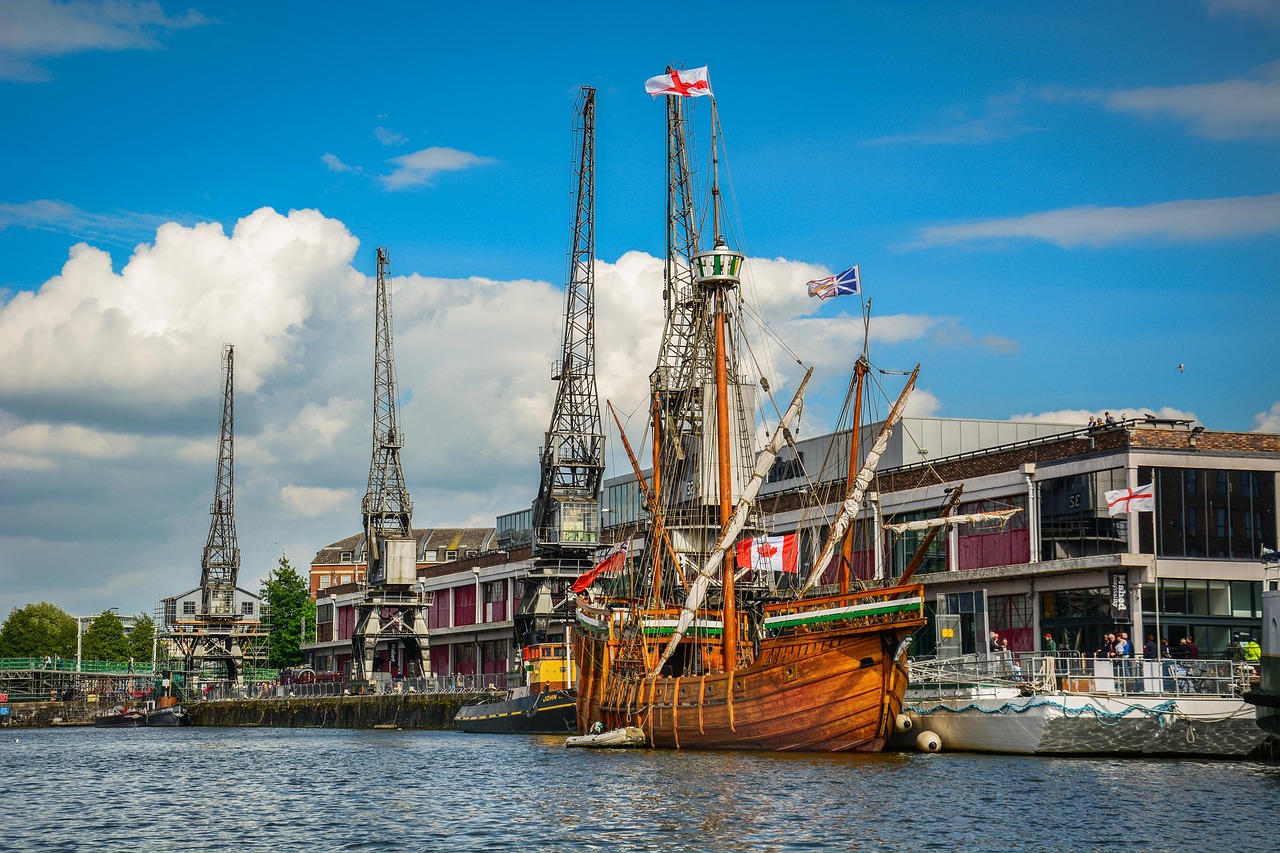
Bristol’s emergence as a significant port city dates back to the medieval period, with major development occurring between 1240 and 1247. The port was the lifeblood of the Old City, driving economic growth and cultural exchanges. Traders from across Europe would convene here, navigating goods through the intricate waterways and docks.
The Anglo-Saxons initially established key infrastructure like the bridge across the Avon River, around which the settlement grew. As the port’s importance expanded, it shaped the very layout of the city, encouraging the growth of the harbourside and fostering a bustling trading environment that would thrive for centuries.
Architectural Heritage: Tudor Facades, Georgian Buildings, and Cobbled Streets
Bristol’s Old City is a living tapestry of architectural history. Tudor-style timber-framed buildings, with their distinctive dark wooden beams and leaded windows, stand proudly as some of the oldest structures. These historical gems capture the essence of a bygone era where craftsmanship was paramount.
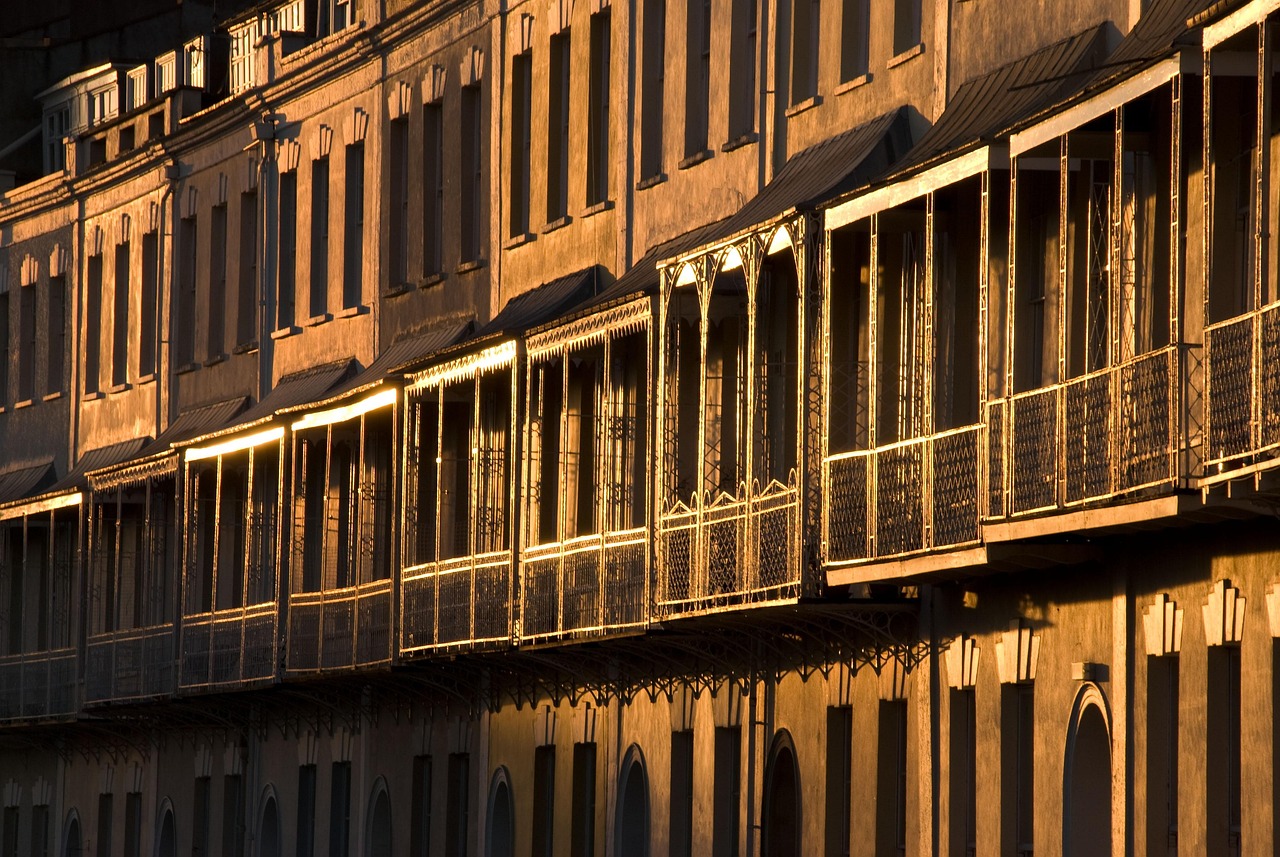
Georgian architecture also makes a grand statement here, recognizable by its symmetrical design and elegant proportions. Georgian merchant houses, many preserved in splendid condition, speak to a time of prosperity and refinement in the 18th century.
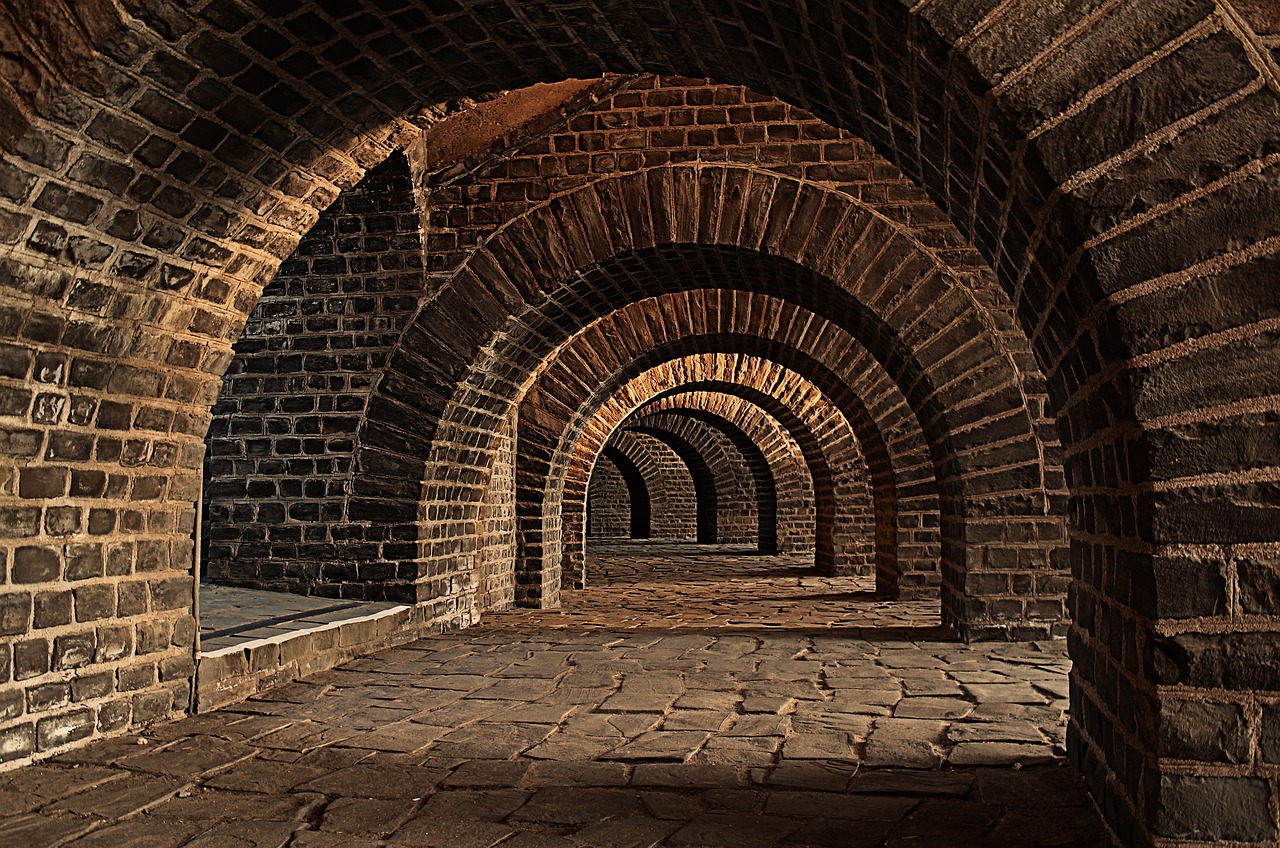
Walking along the cobbled streets, visitors feel transported to a world where the streets themselves have been shaped under centuries of footsteps, cart wheels, and market days.
History of St Nicholas Market and Its Origins
St Nicholas Market, nestled in the Old City, holds a special place in Bristol’s history. Its origins trace back to the early 18th century, officially opening in 1743. What began as a popular corn market evolved into one of Bristol’s most cherished venues, hosting a diverse array of stalls, crafts, and street foods.
The market’s vibrant atmosphere today still reflects its historical essence as a communal hub where locals and visitors alike gather. Many of the surrounding buildings carry architectural details that hint at their historic uses, blending the past seamlessly with the present.
Walking Map and Recommended Local Insights
Exploring Bristol’s Old City is best done on foot, allowing you to uncover hidden corners and architectural details that often go unnoticed. Recommended walking tours typically cover the four main streets . Corn Street, Broad Street, Wine Street, and High Street . At a gentle pace that highlights their historical significance.
Local insights suggest pausing at the narrow side lanes where merchant houses and guild halls tell stories of centuries-old trade guilds and merchant families. Don’t miss the nearby Temple Quay for a glimpse of Victorian dockside history meeting modern developments.
Whether you prefer a guided experience or a self-led exploration using mobile GPS apps, Bristol’s Old City offers a rich, immersive walk where history lives and breathes.
Stay tuned as we dive deeper into the layers of Bristol’s heritage, revealing the stories behind the bricks and cobbles of this historic city quarter.
Embracing the Past: Why Bristol’s Old City Remains a Treasure
There’s a soulful charm to Bristol’s Old City that’s hard to find elsewhere. As you wander along Corn Street, the echoes of medieval marketplaces seem to linger in the air. The cobbled streets underfoot have witnessed centuries of history . From bustling traders to revolutionary thinkers. It’s a place where history isn’t confined to textbooks but lived daily by locals and visitors.
Among the buildings that line these streets, the Tudor facades stand out like time capsules. Their timber frames remind us of an era when every beam and panel was handcrafted, showcasing skills passed down over generations. Nearby Georgian buildings, with their balanced and graceful designs, tell of Bristol’s evolution into an enlightened city embracing classical aesthetics and commerce.
The port’s development was a catalyst for these transformations. The waterways and docks once teemed with ships, goods, and people from all corners of the known world. Bristol’s prominence as a medieval port city shaped its urban fabric . Opening it up to influences and prosperity that helped solidify its place in England’s history.
Exploring landmarks such as St Nicholas Market brings you closer to the pulse of the Old City. The market’s historical roots as a corn trading center reflect the city’s role in supporting and sustaining its population and economy. Today, St Nicholas Market continues that legacy, buzzing with life, culture, and community spirit.
For those curious about the city’s layers, recommended walking routes provide a window into the past, guiding visitors through a blend of architecture, stories, and local life. These walks allow you to connect with the rich heritage while enjoying the contemporary buzz of Bristol’s Old City.
Planning Your Visit
When in Bristol, consider a day spent walking the Old City trails, maybe accompanied by a guide knowledgeable about the city’s past. Remember to wear comfortable footwear suitable for cobbles and bring a sense of curiosity to truly experience what makes Bristol unique.
The blend of old and new, market traditions, and architectural splendor all make Bristol’s Old City a must-visit destination for history enthusiasts and casual strollers alike.
Ready to uncover the secrets of Bristol? Take that first step through its oldest streets and let the city’s stories unfold before you.
Frequently Asked Questions
What are the oldest streets in Bristol’s Old City?
The oldest streets include Corn Street, Broad Street, Wine Street, and High Street. These crossroads formed the medieval heart of the city and still retain much of their historic character.
How did Bristol’s port influence the city’s development?
The port was central to Bristol’s growth, especially in the Middle Ages. It facilitated trade and commerce, shaping the city’s economy and physical layout around its harbourside and docks.
What architectural styles can be seen in Bristol’s Old City?
Visitors can admire Tudor timber-framed facades, Georgian merchant houses, and traditional cobbled streets, showcasing a rich architectural heritage that spans several centuries.
What is the historical significance of St Nicholas Market?
St Nicholas Market originated as a corn market in the early 18th century and evolved into a vibrant community and trading hub. It remains an iconic part of Bristol’s cultural and social life today.
Are there recommended ways to explore Bristol’s Old City?
Walking tours focusing on the historic streets and landmarks offer the best way to experience the city’s heritage. Guided or self-led tours allow visitors to uncover hidden architectural gems and learn local stories.