Churches and Cathedrals of Historic Bristol: Sacred Landmarks and Gothic Grandeur
Bristol, a city steeped in history and culture, offers a fascinating journey through its religious and architectural heritage via its impressive churches and cathedral. These landmarks tell stories of faith, craftsmanship, and community life spanning centuries, inviting visitors to explore not only their grand designs but also their significant roles in Bristol’s past and present.
Bristol Cathedral: A Testament to Time and Faith
Bristol Cathedral, formally known as the Cathedral Church of the Holy and Undivided Trinity, stands as the spiritual heart of the city. Its origins date back to the 12th century when the first canons arrived from St Victoire in Paris, establishing one of Europe’s earliest universities. The cathedral itself was initially constructed between 1140 and 1148 in the Romanesque style, known in England as Norman architecture.
Though the original abbey church now exists only in fragments, the cathedral impresses with a harmonious blend of styles developed over centuries. Visitors will notice exquisite Gothic features such as pointed arches, intricate stone carvings, and lofty vaults. Its unique layout and beautifully crafted interior spaces invite quiet reflection and admiration of medieval craftsmanship.
The cathedral continues to serve as the seat of the Bishop of Bristol, showcasing its enduring importance in the Church of England and the local community.
St Mary Redcliffe: Explorers’ Delight and Literary Muse
Among Bristol’s most celebrated churches is St Mary Redcliffe, often described as one of England’s finest examples of Gothic architecture. Its roots trace back to Saxon times, with the first church likely established when Bristol was beginning to emerge as a significant port. The current structure, built primarily during the 14th and 15th centuries, features soaring spires, delicate tracery, and majestic stained-glass windows.
The church earned admiration from explorers and writers alike. Queen Elizabeth I famously praised St Mary Redcliffe on her 1574 visit, calling it “the fairest, goodliest, and most famous parish church in England.” This accolade underscores the church’s blend of artistic grandeur and historical significance.
People interested in architecture will appreciate the attention to detail visible in every corner. From the intricately carved woodwork to the impressive medieval cope chest crafted within the church.
Oldest Surviving Churches in Bristol and Their Evolving Roles
Bristol’s religious landscape features churches that span diverse periods, each reflecting the city’s evolving social and spiritual needs. Many of these oldest surviving churches date back to the medieval era and have adapted over time to meet contemporary worship and community functions.
These churches often serve as vital community hubs beyond religious services, hosting cultural events, concerts, and social outreach programs. Their preservation efforts testify to the community’s commitment to maintaining historical continuity.
Architectural Styles: Norman, Gothic, and Victorian
Walking through Bristol, one can witness a rich tapestry of architectural styles showcased by its sacred buildings. Norman architecture, with its robust Romanesque features. Thick walls, rounded arches, and simplistic ornamentation. Marks some of the city’s earliest churches.
Gothic architecture, flourishing in the high and late medieval periods, is characterized by its verticality, pointed arches, large windows, and intricate stone detailing. This style conveys a sense of aspiration and lightness, exemplified by St Mary Redcliffe.
Victorian influences emerged in later centuries, introducing restoration projects and new constructions that incorporated neo-Gothic elements. The Victorian period breathed new life into many churches, blending historical reverence with contemporary craftsmanship.
Visitor Tips and Quiet Corners for Reflection
Exploring Bristol’s churches and cathedral offers both spiritual solace and cultural discovery. Visitors should check opening times in advance; for instance, many churches welcome visitors daily during daylight hours.
For those seeking quiet moments, the side chapels and cloisters provide tranquil spaces away from the bustling city. These corners encourage visitors to pause, reflect, or simply absorb the serene atmosphere.
If planning an extended visit, consider combining your church tour with a restful retreat. Nearby amenities offer opportunities to rejuvenate with wellness treatments and relaxing spa experiences, enriching your visit beyond sightseeing.
Historic Church Communities and Their Roles
The oldest churches in Bristol are not just relics of the past; they remain vibrant centers of community life. Often, these churches have evolved from solely places of worship to social and cultural venues hosting a myriad of activities. From charity fundraising events to arts performances, these historic spaces continue to weave themselves into the fabric of modern Bristol.
Their endurance is a testament to how communities cherish these buildings not only for their architectural grandeur but also for their role in fostering togetherness.
Experiencing the Architectural Styles in Bristol’s Sacred Spaces
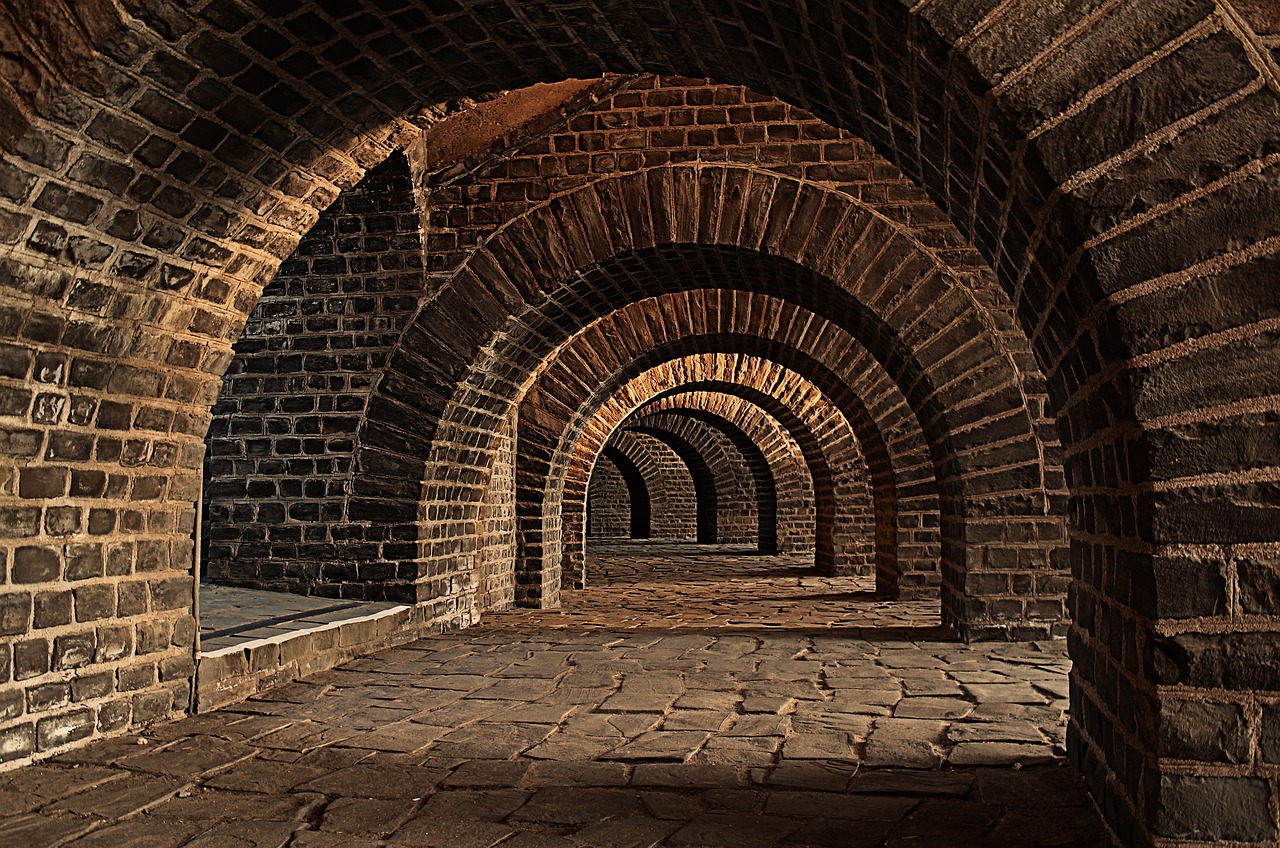
Bristol’s churches are a living gallery of architectural evolution. Among the Norman examples, visitors may notice the sturdy semicircular arches and robust structures symbolizing the early medieval period’s fortitude.
The Gothic period introduces a stark contrast with its emphasis on light and air. Here, the churches boast pointed arches, flying buttresses, and ribbed vaults that create a majestic interior filled with colorful stained glass, designed to inspire awe and spiritual upliftment.
Victorian restorations and constructions echo these medieval forms but often incorporate more ornate and decorative elements. This blend of styles within the city highlights how each era left its signature on Bristol’s sacred landmarks.
Planning Your Visit: Tips for an Engaging and Reflective Experience
-
Check Opening Hours: Most churches are accessible daily but confirming times ahead of your visit ensures you do not miss out. Many also offer guided tours that provide deeper insights into their history and architecture.
-
Quiet Reflection Spaces: Seek out smaller chapels or side aisles within the churches where the environment is hushed and peaceful.
-
Combine Visits: Plan to explore both Bristol Cathedral and St Mary Redcliffe on the same day to compare architectural styles and historical contexts.
-
Respect the Space: These are active places of worship, so maintaining a respectful silence and dressing appropriately is encouraged.
-
Accessibility: Check if your chosen sites have accommodations for mobility needs.
Beyond the Churches: Relaxation and Reflection
After wandering through centuries of history and craftsmanship, consider treating yourself to some well-deserved relaxation. Local establishments offer spa packages focusing on rejuvenation and wellness, perfect for unwinding and reflecting on your experiences.
Some spa options feature heated pools, therapeutic massages, and tailored facial treatments, providing a holistic approach to relaxation that complements the tranquil moments spent within Bristol’s sacred landmarks.
Exploring Bristol’s churches and cathedral is more than just admiring striking buildings; it’s an invitation to understand the city’s soul, where faith, art, and community intersect. Whether you’re drawn by architectural beauty, historical depth, or spiritual solace, Bristol offers an enriching journey across time.
Ready to embark on your pilgrimage through Bristol’s sacred gems? Take a moment to plan your visit, immerse yourself fully, and let each stone and stained-glass window tell you a story of devotion and creativity that spans generations.
Frequently Asked Questions
What is the architectural style of Bristol Cathedral?
Bristol Cathedral features a blend of Norman and Gothic architectural styles. The original structure was Romanesque (Norman), with later expansions and renovations showcasing exquisite Gothic elements such as pointed arches and elaborate stone carvings.
Why is St Mary Redcliffe considered special?
St Mary Redcliffe is renowned for its stunning English Gothic architecture, praised historically by figures like Queen Elizabeth I. Its soaring spires, detailed woodwork, and medieval stained glass make it a masterpiece worth visiting.
Are Bristol’s oldest churches still active?
Yes, many of Bristol’s oldest churches remain active parish centers, serving both as places of worship and community hubs hosting cultural and social events.
What are some peaceful spots to reflect inside these churches?
Visitors often find quietude in smaller chapels, side aisles, and cloisters within the churches, which provide serene environments ideal for contemplation away from the main congregational areas.
Can visitors access these churches easily?
Most churches in Bristol, including the cathedral, aim to accommodate visitors with accessible entrances and facilities. It’s advisable to check ahead for specific accessibility information to ensure a comfortable visit.