Chaos in the heart of a city is rarely so palpable as when a bold theft occurs not under the cover of darkness, but in the harsh glare of midday. Shoppers on Bristol’s bustling streets caught their breath earlier today as a brazen act of theft unfolded in full view. Recorded minute by minute on mobile phones, shared across social platforms within the hour.
What Really Happened?
Witnesses around Broadmead testified that, without a hint of hesitation, two individuals snatched goods from a local electronics retailer. Security alarms shrieked, bystanders looked on in disbelief, and some trailed after the suspects, phones poised, documenting every movement. The footage, now circulated widely, shows not just the precision of the theft, but the degree to which opportunism has flourished in public spaces.
The Police Response. And Public Outcry
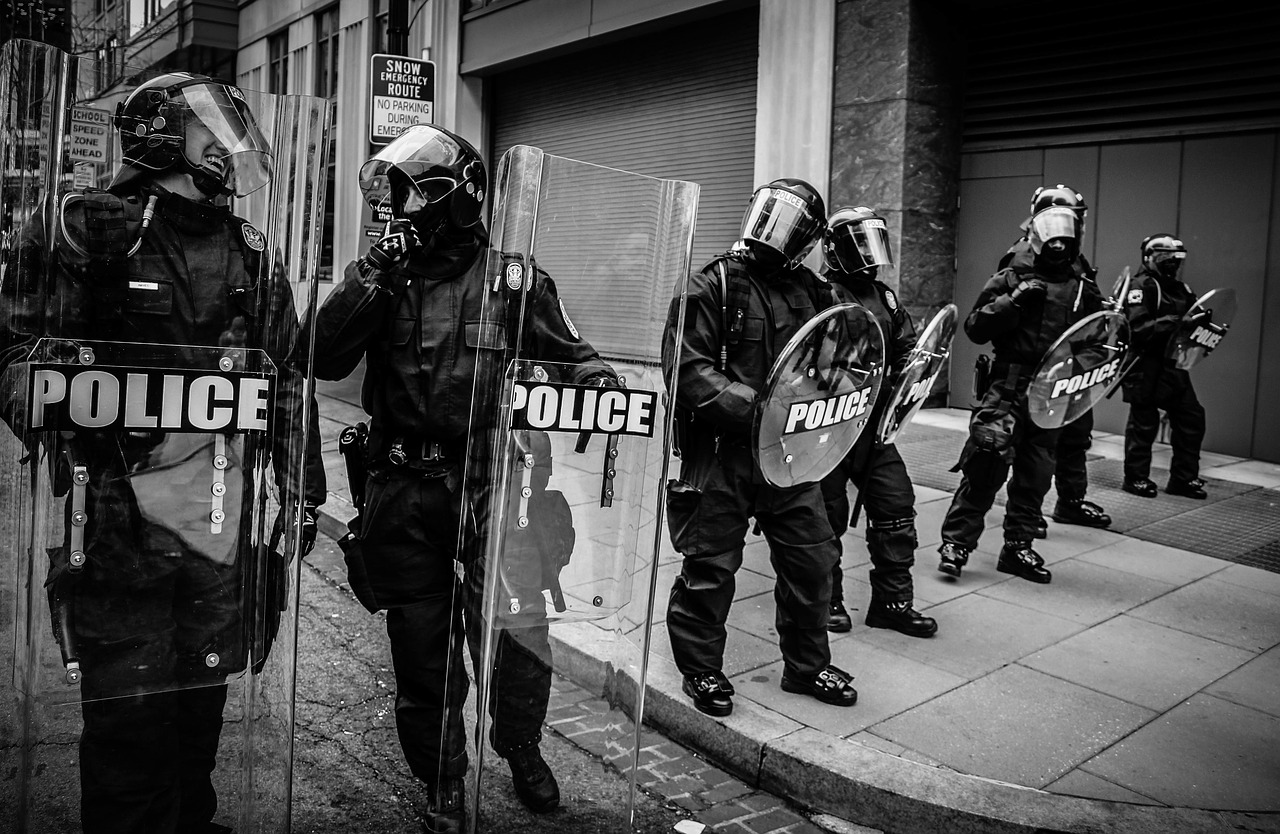
The area’s regulars didn’t mince words when it came to the authorities’ reaction. Calls to emergency services were swift, but officers made it clear: due to “ongoing resource pressures and call triage,” no response team would attend the scene in person. Instead, witnesses were urged to file statements online.
Many in the community expressed shock at the idea that such a public incident could be met with what feels like administrative indifference. For some, this was the final straw, a symbol of the shifting boundaries of law enforcement priorities. When I spoke to local shop owners, a common refrain was heard: if daylight theft goes unchallenged, where does that leave the everyday security of residents and businesses?
Safety Concerns Take Centre Stage
Vivid recollections from retail employees and regulars reveal a mood of unease. Even before today’s theft, staff had confided in me about the increase in incidents over recent months. Reports range from petty pilfering to organized shoplifting gangs targeting key thoroughfares, stretching the patience and resilience of Bristol’s retail teams.
It’s not simply about stolen goods. There’s a rising sense of vulnerability that cannot be ignored. Parents say they’re reconsidering visits to certain areas. Store owners are investing more in private security systems. Customers wonder aloud whether a simple shopping trip might mean walking straight into trouble.
Behind the Blue Line: Understanding Police Resource Challenges
Several factors are at play here. Across Bristol, law enforcement faces shrinking budgets and staff shortages, a reality confirmed through published data and union statements. The constabulary openly prioritizes calls based on urgency and the presence of immediate danger. A decision rooted in official policing best practice but increasingly at odds with everyday expectations.
There’s a tension here. Verified reports show that officers are pulled in all directions, from tackling violent crime to responding to mental health crises, often leaving so-called “non-urgent” cases, even serious theft, in a digital queue.
Experienced former officers with years on the beat have told me that today’s police work is considerably more desk-bound and resource-strapped than even five years ago. The system, they say, isn’t built to handle the surge in “volume crime” without substantial reform or reinvestment.
Community Reaction: Shaken, Not Defeated
Bristol has always prided itself on its collective spirit. Today, that spirit is on display in a different way. Residents have created neighbourhood watch groups via secure messaging apps. Retailers have launched coordinated alerts so offenders can be tracked across several stores.
There’s both exasperation and empathy: while no one condones theft, many acknowledge the deeper issues fuelling these trends. Poverty, addiction, social breakdown. However, nearly everyone agrees that such context cannot excuse an inadequate response from those sworn to keep order.
What Needs to Change?
Every expert I’ve consulted. Whether a criminologist from the University of Bristol, or a local police federation spokesperson. Echoes the same refrain: modern policing needs a rethink. Yes, resources are thin, but communication matters. If people feel ignored, trust erodes, and with it, the stability of public spaces.
Innovative solutions are out there. From targeted high-visibility patrols during peak hours to technology-driven crime mapping, these measures have shown promise elsewhere and deserve renewed attention locally.
Feeling safe is a right, not a privilege. When the rules of engagement start to feel uncertain, everyone loses.
A Personal Reflection
As someone who has spent countless hours reporting from Bristol’s busy precincts, I’ve seen firsthand how a single event, captured on film, can galvanize a city. Today’s theft is not simply about stolen merchandise; it is a symbol of the ongoing tug-of-war between public expectation and institutional capacity.
Let’s not settle for piecemeal fixes. Real change will require honest dialogue, tough choices, and active participation from all corners. Police, politicians, and ordinary citizens alike.
Frequently Asked Questions
Why didn’t police respond in person to the daylight theft?
Officers were managing limited resources and prioritized calls involving immediate danger to life or violence. The official stance follows recognized protocols for triaging calls, especially during periods of high demand.
Are incidents like this common in Bristol’s city centre?
Research suggests that shoplifting and public theft have increased across major UK cities, including Bristol. Recent statistics confirm that certain hotspots face repeat offenses, prompting businesses and authorities to review their strategies.
What steps can residents and businesses take for added safety?
Best practice includes installing alarm systems, connecting with neighbourhood watch groups, and promptly reporting incidents using official police channels. Coordination between shop owners and sharing information can help deter offenders.
Could changes in police funding help prevent such incidents?
Expert opinion, supported by current research, indicates that increased funding alone will not solve the problem. Improvements in technology use, smarter deployment, and community partnerships are considered equally important.
How can people maintain trust in local law enforcement?
Experts recommend transparent communication from police, visible action where possible, and ongoing dialogue with the community. When people are given honest explanations, trust tends to improve, even in challenging circumstances.
Bristol’s reputation as a vibrant, resilient city remains intact. But maintaining our confidence in its safety will take effort from every side. Speak out, stay aware, and push for improvements. Your voice is essential in shaping the city’s future.