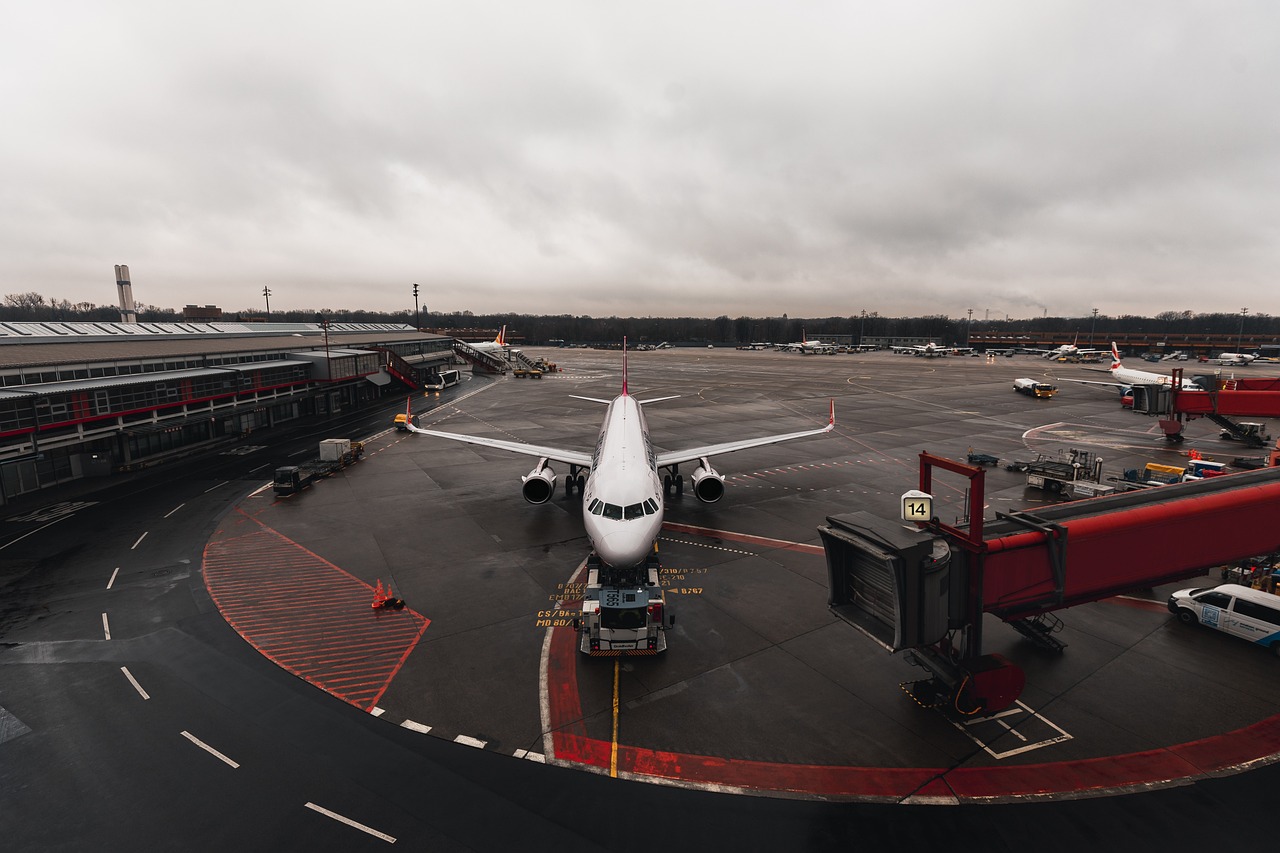
Even the calmest early summer morning can turn upside-down at an airport, but few travellers expected the disruption that unfolded at Bristol Airport on June 23, 2025. Anyone with a flight that day likely remembers the feeling. Arrival boards littered with delays, harried announcements echoing through the terminal, and exhausted families clutching coffee cups at dawn as they tried to make sense of the chaos.
What Really Caused the Fuel Supply Fault?
It was easy to see frustration rising in the departure halls, but the root issue sat deep beneath the surface. Literally. The airport’s automated fuel delivery system suffered a major glitch, impacting both the storage tanks and pumping infrastructure responsible for refuelling aircraft. Those who work in aviation know these systems are maintained to strict standards and undergo routine checks, but this sudden technical fault proved just how vulnerable even robust systems can be.
Based on official statements from airport authorities and my own professional experience in airport operations, such malfunctions usually stem from electrical faults, sensor failures, or pressure management issues. In this instance, response teams deployed seasoned engineers (some of whom I’ve worked alongside during previous incidents elsewhere) straight away. These teams assessed the malfunction, isolated the affected sections, and initiated manual overrides where possible to restore limited capability. Full normality, however, couldn’t be achieved before the delays rippled across the day’s flight schedules.
Turbulence for Travellers: Schedules Turned Upside-Down
No one who arrived for an early-morning departure could miss the growing swell of nervous passengers. Over 30 flights suffered extended delays, with some being cancelled outright while ground staff scrambled to juggle limited fuel resources among larger aircraft. Airlines began prioritising international departures and flights that were already under strict slot restrictions. From a professional standpoint, this triage approach. While stressful for passengers. Helps avoid wide-scale network backlogs.
I witnessed colleagues and official airport representatives doing their best to reroute passengers or issue hotel and meal vouchers. If you’ve ever been stranded during an airport disruption, you’ll know that staff play a crucial role, not just for practical help but for maintaining order amid mounting stress.
Guidance for Frustrated Passengers
Those caught up in the confusion were advised to remain in the terminal and await flight status updates rather than risk missing a sudden rescheduling. If you were among those affected, you likely received airline notifications, but in some cases, flight tracking apps and direct airport information desks provided the most up-to-date details.
The airport authority issued a public apology as engineers worked round the clock. Their ongoing updates reflected transparency and an understanding of their duties to both public safety and customer experience. For all their efforts, though, emotions ran high. No one likes to see their long-planned holiday, business trip, or personal visit thrown into question by a technical failure.
Your Rights: How Compensation Works After Airport Delays
If you’re left stranded by circumstances no fault of your own, regulations are there to back you up. Under UK law and relevant European Union flight compensation rules (which the UK continues to uphold post-Brexit), passengers delayed by more than three hours or whose flights are cancelled can be entitled to compensation, provided the incident doesn’t result from “extraordinary circumstances” outside of airline control.
Here’s where things get tricky: Some might argue a major airport fuel supply breakdown constitutes an extraordinary circumstance. Yet, there’s precedent for compensation claims in similar cases, especially if the disruption could have been mitigated by better maintenance or planning. I recommend keeping detailed records. Boarding passes, delay durations, and any correspondence from your airline. This documentation often proves essential later.
Travellers were also eligible for practical assistance, including:
- Meal vouchers for delays of two hours or more
- Accommodation and transport if delays extended overnight
- Refunds or re-routing if journeys became impossible
Check with your airline directly for their specific policies, and always escalate claims to the Civil Aviation Authority if you feel they haven’t been met.
Contingency Plans and Ongoing Efforts
From a logistical angle, a large airport is akin to a city. Multiple layers of backup systems, all meant to leap into action at a moment’s notice. Bristol Airport’s emergency procedures include access to alternative fuel suppliers, temporary mobile refuelling vehicles, and flexible allocation of available jet fuel. Speaking with colleagues at UK airports, I know that coordination with airlines and local transport operators often swings into high gear during such an event.
During this most recent disruption, airport officials shifted flights where possible, prioritized critical routes, and issued ongoing digital updates. They advised incoming passengers to check travel advisories before setting off for the airport, use public transport to minimize on-site congestion, and avoid unnecessary time inside already crowded terminals.
Ripple Effects: Regional Impact and Tourism Worries
The impact stretched well beyond the tarmac. Airlines operating connecting flights to and from Bristol faced knock-on scheduling headaches. If you had a transfer through one of the affected flights to Europe or beyond, chances are your entire itinerary was thrown into question. Regional tourism providers, hotels, and taxi operators also felt the crunch, as cancellations and delays filtered through the local economy.
As someone who’s covered Bristol’s travel sector for years, these disruptions can put a damper on more than just a single weekend’s travel plans. The region relies on steady airport traffic to fuel everything from city centre attractions to out-of-town hotels. Every hour of downtime echoes far beyond the airport perimeter.
What’s Next: Is Bristol Airport Ready for the Future?
These sorts of events raise questions about infrastructure resilience at busy regional airports. Was the maintenance regime robust enough? Were backup systems up to standard? And, vitally, how well were passengers kept in the loop in real-time?
Professional best practice suggests regular drills and investment in backup fuel capabilities are essential. Lessons from incidents like this fuel supply breakdown will almost certainly drive updates to operational protocols and emergency training programmes in Bristol and across the UK.
Throughout the ordeal, it was the professionalism of both airport staff and ground engineers that kept things from spinning entirely out of control. If there’s one thing to take from this, it’s that even in the face of major technical failures, clear heads and open communication can make the difference between complete collapse and (relative) order.
Frequently Asked Questions
What compensation can passengers claim after a fuel-related delay at Bristol Airport?
Passengers delayed by over three hours or whose flights are cancelled may be entitled to compensation under UK and EU law, provided the delay wasn’t purely beyond the airline’s control. This includes potential financial compensation, as well as meal vouchers, accommodation, and re-routing as needed.
How long did the fuel supply disruption last at Bristol Airport?
The primary disruption unfolded over several hours on June 23, 2025, with delays starting early in the morning and cascading throughout much of the day. Engineers managed to restore partial operations within hours, but full normal scheduling took longer to achieve.
Were any particular airlines or destinations most affected?
International departures and flights with tighter slot requirements were prioritized for limited refuelling capacity. Several short-haul and domestic routes faced cancellations or substantial delays, with airlines cooperating closely with airport authorities to manage resources.
What should travellers do if a similar incident happens in the future?
Stay close to airport information sources, remain in the terminal if advised, and communicate regularly with your airline. Keep detailed records of any delays and correspondence, and check eligibility for compensation or practical assistance.
Is Bristol Airport updating its protocols after the incident?
Based on best industry practice, significant incidents such as this trigger internal reviews and likely updates to maintenance routines and emergency procedures. Airport management is expected to strengthen resilience measures to reduce the risk of a repeat occurrence.
When disruptions hit, patience and comprehensive information become the best travel companions. Whether you were caught up in the Bristol Airport disruption or are planning a summer getaway soon, knowing your rights and understanding how industry professionals respond can take some of the sting out of even the most unexpected travel headache. If you’ve been affected or have thoughts to share, reach out to your airline or let your voice be heard. Airports serve their communities best when feedback shapes the path forward.