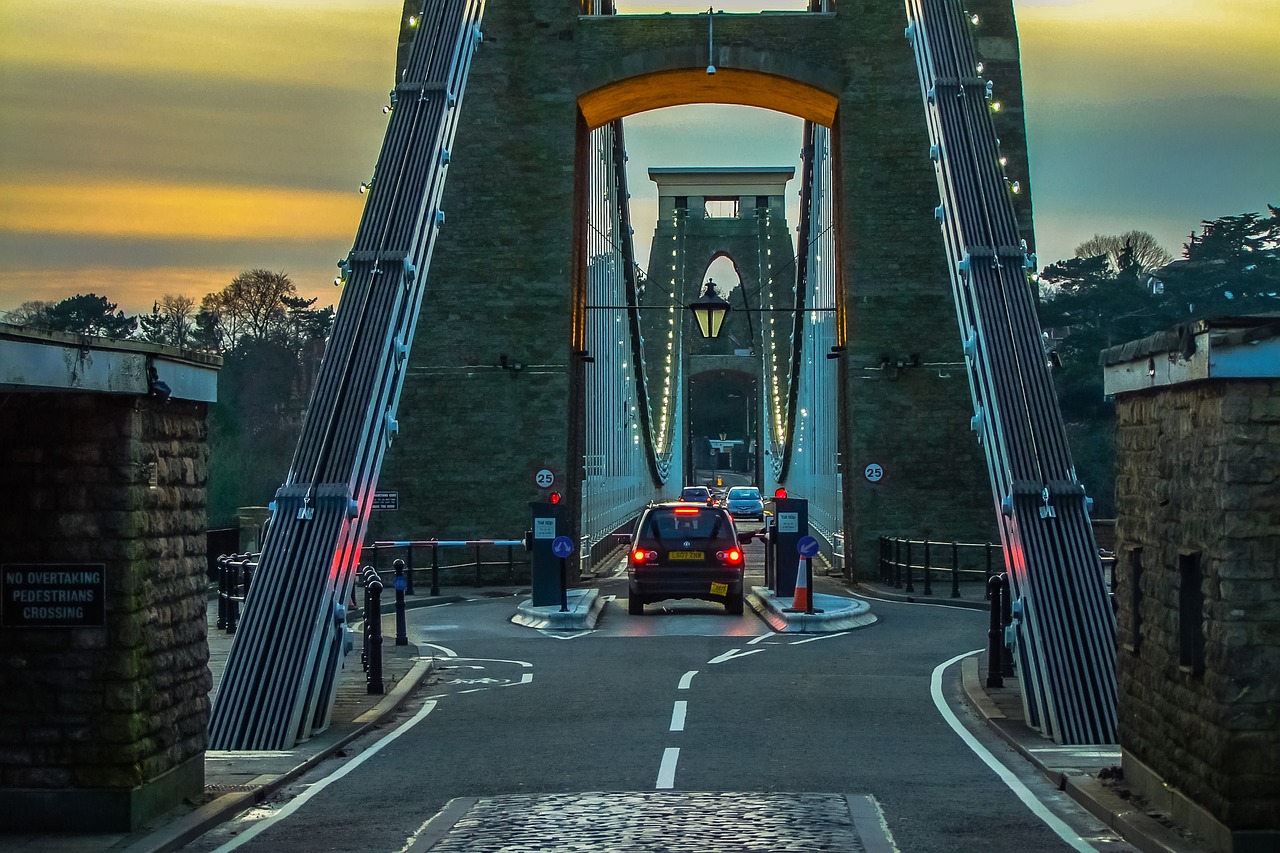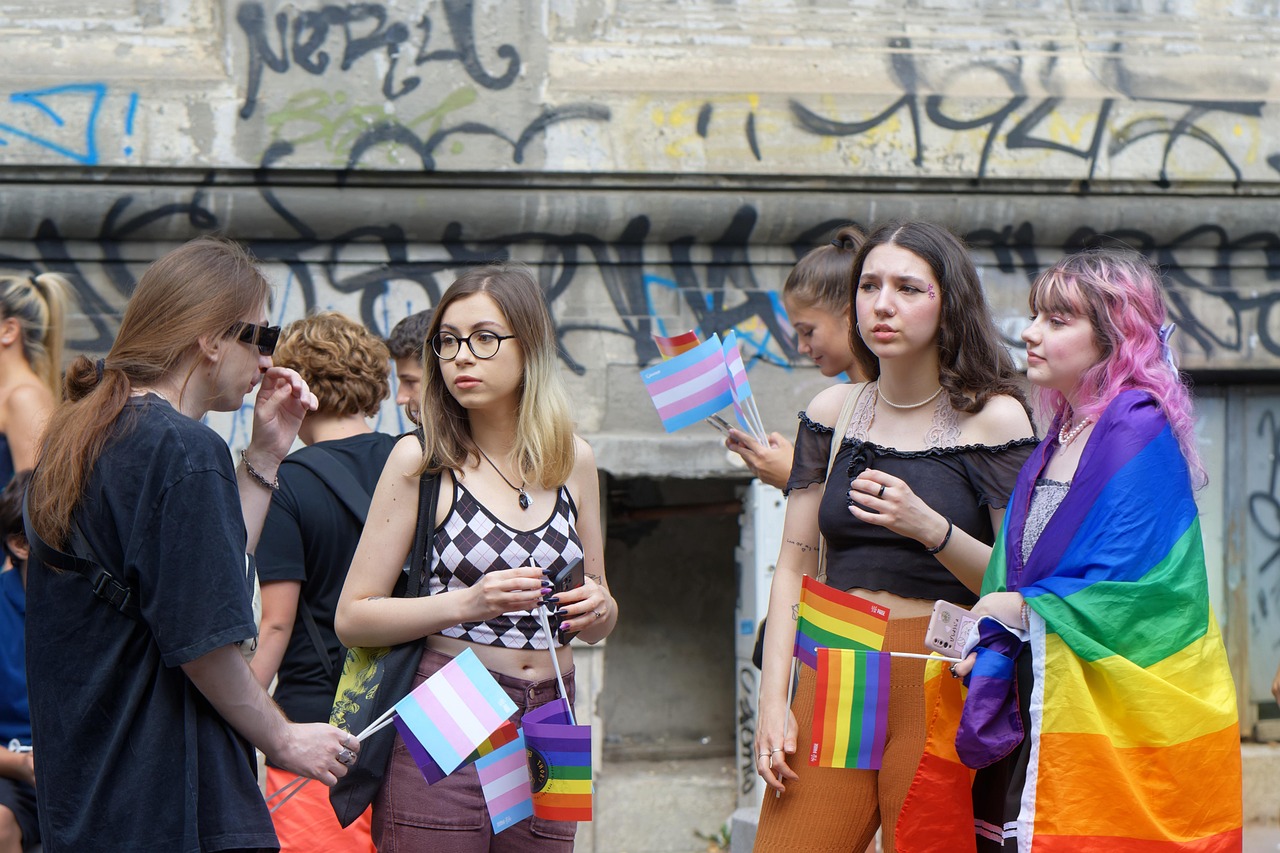
Bristol’s city centre was utterly transformed last weekend as record-breaking crowds made their way to Bristol Pride 2025. With attendance figures shattering previous years, many in and around the Downs felt the repercussions. Public transport, city services, and local businesses all felt the squeeze.
City on the Move: The Challenge for Buses and Trains
Public transport in Bristol tends to be a mixed bag at the best of times, but put tens of thousands of spirited Pride attendees into the mix, and it’s a different ball game altogether. First Bus, at the heart of city transport, was under significant strain from the early hours. Routes along major arteries like Whiteladies Road and Park Street were repeatedly impacted by parade road closures and diversions. Even seasoned drivers and dispatchers admitted they’ve never seen such a volume of diverted routes and delayed timetables in one day.
Local train services weren’t spared. Bristol Temple Meads saw queues snaking out of the entrance, even before noon. Great Western Railway ran extra carriages on popular lines, but it proved challenging to match the pace of arrivals and departures with the tidal wave of festivalgoers. During peak hours, announcements rung out regularly advising travellers to expect standing room only. A situation familiar to anyone who’s ever commuted into the city during a big event.
Transport planners and council representatives have since acknowledged publicly that, despite preparatory measures, they underestimated attendance this year, citing “unprecedented numbers” and a surge in last-minute travel.
Crowd Management: Experience and Expertise in Action
Safety during an event of this scale relies on detailed planning and responsive action. Avon & Somerset Police and Bristol City Council deployed well-trained stewards along the key routes and strategic crowd control barriers in and around the Downs. In several years of reporting on major city events. Including the 2022 St Pauls Carnival. I’ve witnessed many operations, but this year’s approach was distinctive for its “dynamic deployment” model.
Rather than sticking rigidly to pre-determined positions, officers and marshals were given discretion to move in response to crowd surges, particularly outside Clifton Down Station and at entry points to the festival enclosure. CCTV monitoring was ramped up, and announcements provided real-time updates on gate closures and high-traffic areas, helping the public make informed decisions about where and when to enter. While some bottlenecks were inevitable, rapid communication limited risks and confusion.
Accessibility: Not an Afterthought
An event as large and varied as Pride has to be genuinely inclusive. The 2025 Bristol Pride team, learning from feedback at last year’s event, made significant strides. There were designated accessible viewing areas, dropped curb access at all entry points, and a dedicated accessible shuttle service linking Temple Meads with the Downs.
Working alongside accessibility advocates, organisers ensured that festival information was available in multiple formats. A detail often overlooked. During several interviews with marshals and volunteers, many noted the positive response from attendees with mobility issues, though some called for more dropped-off transport points and clearer signage next year.
Organisations like Bristol Sight Loss Council were also present, providing audio guides for those with visual impairments. Based on both personal interactions and accounts from volunteers, these efforts were enthusiastically received. Still, some wheelchair users highlighted cramped shuttle services and overcrowded pavements as ongoing hurdles.
The Ripple Effect: Commuters and Businesses Respond
Local residents and businesses near the parade route and Downs festival site experienced mixed fortunes. Daily commuters faced significant delays, with some reporting detours adding up to 45 minutes to their usual journey. For those needing to cross through the centre or get to work, delays were frustrating, and several businesses mentioned seeing late arrivals from staff.
High-street traders around Whiteladies Road and Park Street, on the other hand, found themselves busier than ever. One café owner in Clifton told me this was by far his “biggest trading day of the year,” but only after a morning spent fielding questions from lost travellers whose buses had been rerouted several streets away.
Not every story was so upbeat. Some professional service firms along the main parade artery were left fielding complaints from clients unable to access offices or car parks, and at least two city centre parking facilities hit maximum capacity before midday. Ride-hailing fares spiked, and passengers reported slow pickups as drivers circled blocked roads.
Lessons for the Future: Planning for Success
With Pride’s profile rising every year, it’s clear that lessons must be learned to balance celebration with city function. There are several tangible suggestions from transport directors and city planners to improve event logistics going forward:
- Develop real-time travel apps with push alerts for last-minute road closures and updates.
- Expand the dedicated shuttle service to run more frequently, reducing pressure on public buses and trains.
- Increase signposting both on the ground and online, especially for those with accessibility needs.
- Plan for enhanced commuter support, such as pop-up navigation points for rerouted buses.
- Collaborate well in advance with local businesses, helping them prepare and communicate with their customers.
- Roll out timed entry tickets for major moments in the festival to prevent overwhelming surges.
Many agree that Bristol’s collaborative spirit and the hard work of transport and safety teams helped prevent more serious issues amid record crowds. The work isn’t done, though. Challenges are evolving as Pride grows, and the city will need to adapt with innovative, practical responses.
The ecstasy of a jubilant event comes hand in hand with the reality of stretching city resources. Pride isn’t just a party; it’s a vivid test case in urban resourcing, inclusion, and flexible planning. Getting it all right is a work in progress, and Bristol’s example from 2025 is sure to spark productive debate for years to come.
Frequently Asked Questions
How did public transport cope with the increased demand during Bristol Pride 2025?
First Bus and local train operators ramped up services where they could, running extra buses and longer trains. Despite these efforts, routes experienced significant delays, detours, and overcrowding. Organisers and transport planners have publicly acknowledged that the scale of the turnout exceeded expectations, making it clear that capacity planning will require further adjustment in future years.
What specific accessibility arrangements were provided for attendees with special needs?
Planners introduced accessible viewing platforms, dropped curbs at all site entry points, and a dedicated shuttle bus linking Bristol Temple Meads station to the Downs. Information was distributed in alternative formats, and local advocacy groups offered extra support on location. Feedback suggests these improvements were welcomed, while also highlighting room for better signage and less crowded shuttle services.
How were local businesses affected by the event?
Retailers, cafés, and hospitality venues along the main event routes saw a notable increase in footfall, often smashing daily sales records. Businesses reliant on car access or timely staff arrivals, especially professional services, experienced disruption and voiced concerns over communication about access changes.
What crowd control measures were implemented this year?
Avon & Somerset Police worked closely with the city council, deploying a flexible team of stewards. Mobile teams monitored crowd build-ups using real-time CCTV and moved barriers as needed to relieve pressure at busy spots. Announcements throughout the day kept attendees informed about risks and advised on alternative routes into the festival.
What can organisers do to improve large-scale event logistics for future years?
Experts suggest a combination of more robust real-time alert systems, expanded shuttle services, stronger business engagement, and improved commuter support infrastructure. Staggered entry times and clearer travel guidance. Especially for those with accessibility needs. Came up repeatedly in feedback, pointing to a growing appetite for smarter, more adaptive event planning.
Bristol Pride 2025 was a testament to the city’s spirit but also a reminder that progress and growing pains often go hand in hand. Readers who have insights or experiences to share are encouraged to participate in ongoing community forums and feedback initiatives. Your perspective can genuinely shape how Bristol moves forward.