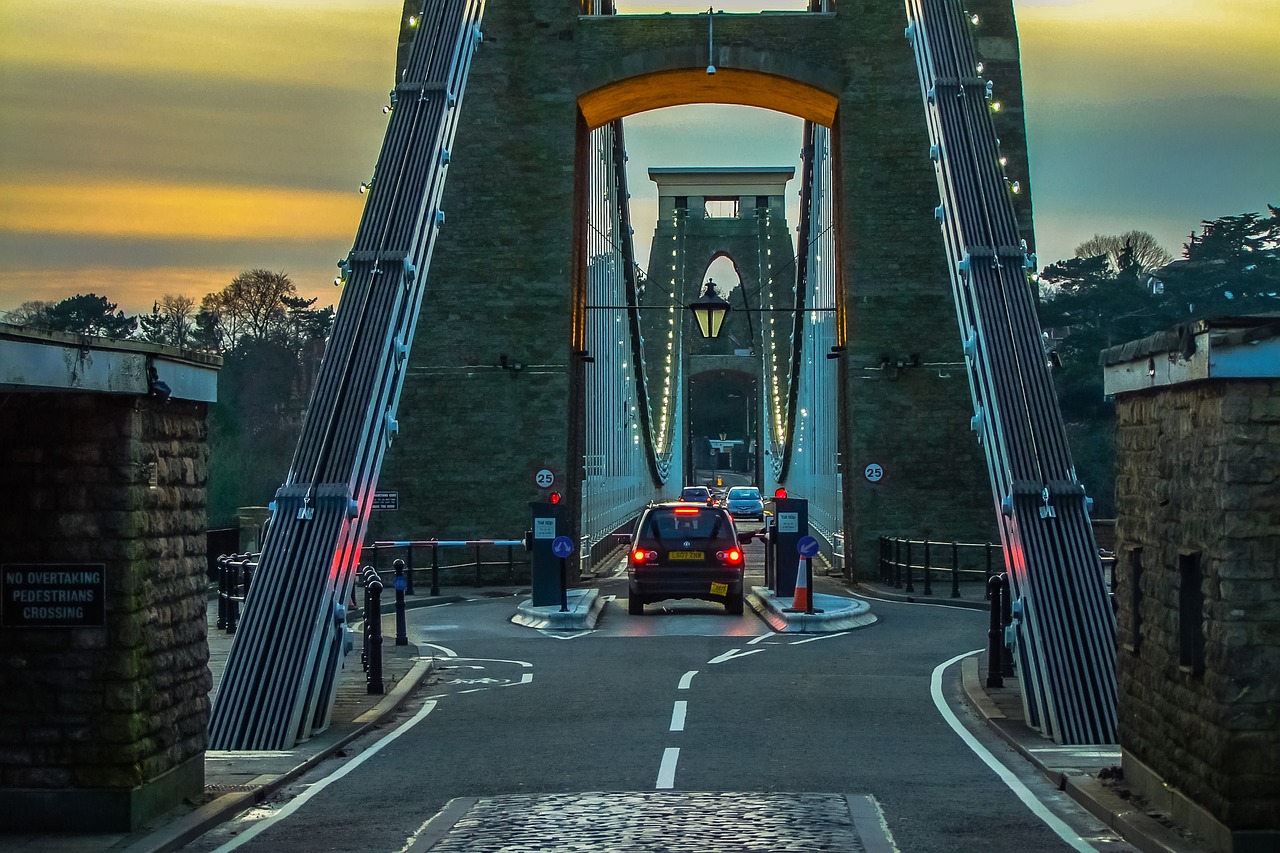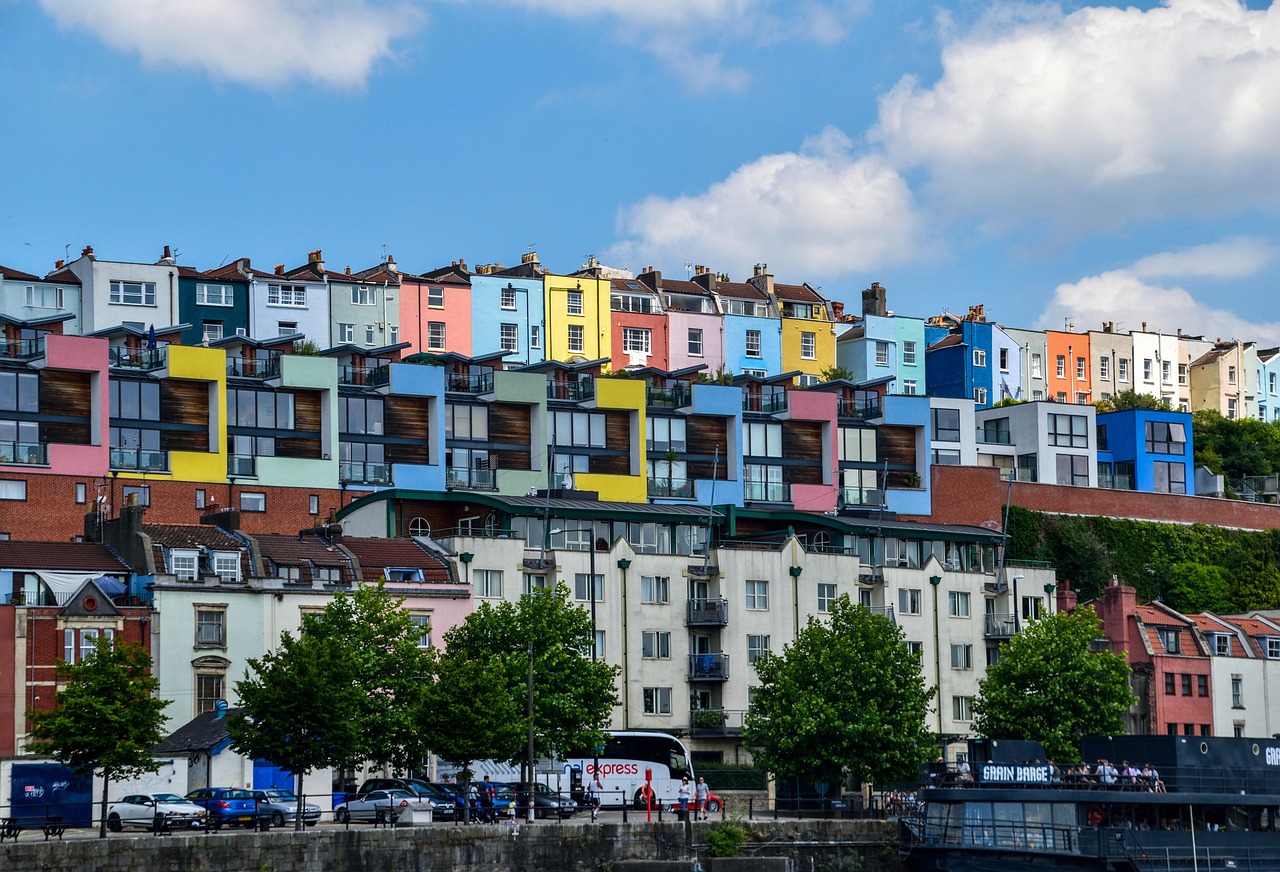
There’s a major shift underway in central Bristol, and any regular visitor to Temple Meads cannot help but notice the cranes, detours, and steady buzz of anticipation. After years of debate and design, the Bristol Temple Quarter redevelopment project is now following three alternative masterplans that could reshape the city’s heart for generations. I’ve lived in Bristol for over a decade and watched this patchwork of derelict lots, railway arches, quirky businesses, and neglected public spaces. Imagining what the future could bring. Never has that future felt as near, or as crucial, as it does right now.
The Three Masterplan Proposals: A Detailed Examination
Bristol City Council and its public-private partners have set out three distinctive paths, each aiming to transform over 130 hectares around Temple Meads into a new city-centre suburb with 10,000 homes, acres of workspace, and woven-in green areas. Time to break down how each version would affect daily life, property, and the city’s sense of place.
Proposal One: Green Urban Living
The first proposal places sustainable living and generous public green spaces at its centre. Drawing from widely recognised urban regeneration principles, this option proposes large parks, pedestrian corridors, cycle links, and biophilic design. Tower blocks give way to mid-rise apartments flanked by tree-lined avenues, roof gardens, and community allotments.
- Housing: Around 10,000 homes, a significant portion designated affordable, calibrated to local demographics using current housing needs assessments.
- Transport: Prioritises cycling, trams and low-emission shuttle buses. Private car use is discouraged by limiting parking and boosting walking/cycling infrastructure.
- Public Spaces: Open squares, riverside walks, and integrated wetlands for urban cooling.
This would mark a dramatic shift from Bristol’s car-centric past. As a daily commuter, the prospect of breezing through car-light boulevards appeals, but the real test lies in connecting these spaces to broader city networks. If the buses don’t run on time, even the prettiest avenue loses its sheen.
Proposal Two: Tech and Commerce Hub
The second masterplan amplifies Bristol’s growing profile as a centre for technology and innovation. Here, the focus is on high-density, mixed-use towers clustered near Temple Meads station, designed to attract global HQs, startups, and research organisations. The concept is reminiscent of London’s King’s Cross rebirth or Manchester’s tech corridor.
- Housing: Residences integrated with office and co-working spaces, fostering “live-work” lifestyles. Fewer family units, more apartments for young professionals and visiting researchers.
- Transport: A new tram stop emerges as the focal point. Extensive use of digital ticketing and “smart” traffic management.
- Public Spaces: Plazas for outdoor events, performance spaces, digital art displays.
Speaking as someone who’s worked with tech sector clients, this feels ambitious but not far-fetched. If footfall is strong and the station continues to serve as a southern gateway, property demand (and prices) could rise sharply. I’d note the risk, though: too much reliance on corporate occupiers can lead to “ghost zones” outside the 9-to-5.
Proposal Three: Heritage and Community Emphasis
The third proposition calls back to Bristol’s industrial heritage and diverse communities. Here, historic buildings are conserved and activated for new uses, from arts spaces to independent businesses. Streets are planned at genuine “Bristol” scales. Think winding lanes, distinctive shopfronts, and plenty of quirky corners. It’s visibly inspired by successful market districts like St. Nicholas or Wapping Wharf.
- Housing: Focus on family homes and long-term rentals, with provisions for social housing, shaped by up-to-date demographic forecasts.
- Transport: Light-touch interventions. Enhancing existing railway arches, introducing electric shuttle links, small-scale improvements to walking infrastructure.
- Public Spaces: Local markets, community gardens, outdoor stages, new play areas.
Community activists and heritage groups have long lobbied for this approach. Personally, I’ve always admired Bristol’s independent spirit and creative edge, and could see this proposal balancing neighbourhood vitality with development pressures. Keeping rents reasonable and small businesses in place, of course, is a huge challenge, especially if speculative property money floods in.
Timelines and Next Steps
After extensive groundwork, the councils formally opened the public consultation phase on June 24, 2025, with all three propositions published for review and comment. This runs through August, offering online and in-person sessions.
The timeline currently aims for a decision on a preferred option by early 2026. If all goes to plan, construction on the first sites could kick off by autumn next year, targeting initial completions by 2028. That seems optimistic based on typical UK city redevelopments, but momentum is definitely stronger than at any point since the scheme launched.
Impact on Property Values and Local Business
Research covering similar city-centre overhauls. Such as King’s Cross in London and Salford Quays. Suggests substantial boosts to both commercial and residential values once masterplans move from words to foundations. Local estate agents have already reported heightened interest in Temple Quarter postcodes, and speculative investment is popping up fast.
That said, transition periods can be painful. Some businesses will inevitably face relocations or rising rents, especially under the tech-centric scenario. Efforts to guarantee affordable commercial rents and help independent traders adapt will be watched closely by the business community, and rightly so. Having worked alongside local entrepreneurs for several years, I understand the stress massive changes can create. The promise of new footfall and better transport is welcome, but without careful policy, small businesses may be squeezed out.
Public and Stakeholder Feedback
Initial reactions from local authorities, housing and business groups, and representatives of Bristol’s cultural sector reflect a mix of optimism and healthy scepticism. While most recognise the need for urgent regeneration, there’s clear division over the degree of density, height, and who should benefit most. There’s no shortage of passionate advocacy for both ambitious growth and gentle, people-first approaches. City planners have pledged to weigh all feedback, with further revision expected after formal consultation.
Frequently Asked Questions
What are the main differences between the three Temple Quarter proposals?
Each highlights a distinct priority: Proposal One emphasises green public spaces and sustainability, Proposal Two seeks to accelerate business and tech growth, while Proposal Three focuses on preserving heritage and fostering lively communities. The choice will shape Bristol’s identity and priorities for decades.
Will current residents and businesses be forced out?
While no one can guarantee that everyone will stay, the plans include commitments to affordable housing and workspace, as well as local hiring and business support provisions. Strong advocacy is essential to ensure these are kept front-and-centre during implementation.
How will public transport improve under the proposals?
All three intend to improve access, but methods differ: from dedicated rapid transit lines and tram stops in Proposal Two, to upgraded cycling and pedestrian links in Proposal One, and smaller-scale shuttle services in Proposal Three. The efficiency of delivery will depend on ongoing funding and integration with citywide networks.
What’s the likely effect on Bristol’s property values?
Evidence from comparable UK redevelopments indicates an expected uplift in property values over the long term, particularly for homes and commercial spaces close to new transport and cultural amenities. Short-term disruption is possible, so careful timing is vital for buyers and investors.
How can local people get involved in shaping the masterplan?
Consultation runs throughout the summer of 2025, with both online and face-to-face events. Feedback is actively being gathered and will shape the next stages of design. Residents and businesses are strongly encouraged to participate and make their views heard.
What happens in Temple Quarter will ripple well beyond a few acres of city centre. This is Bristol’s chance to define what sort of urban life it wants in 2030 and beyond. Let’s make sure it’s built not just for “future Bristolians,” but for everyone who calls this remarkable city home right now. Join the debate, attend the events, and make your stake in Bristol’s next chapter.