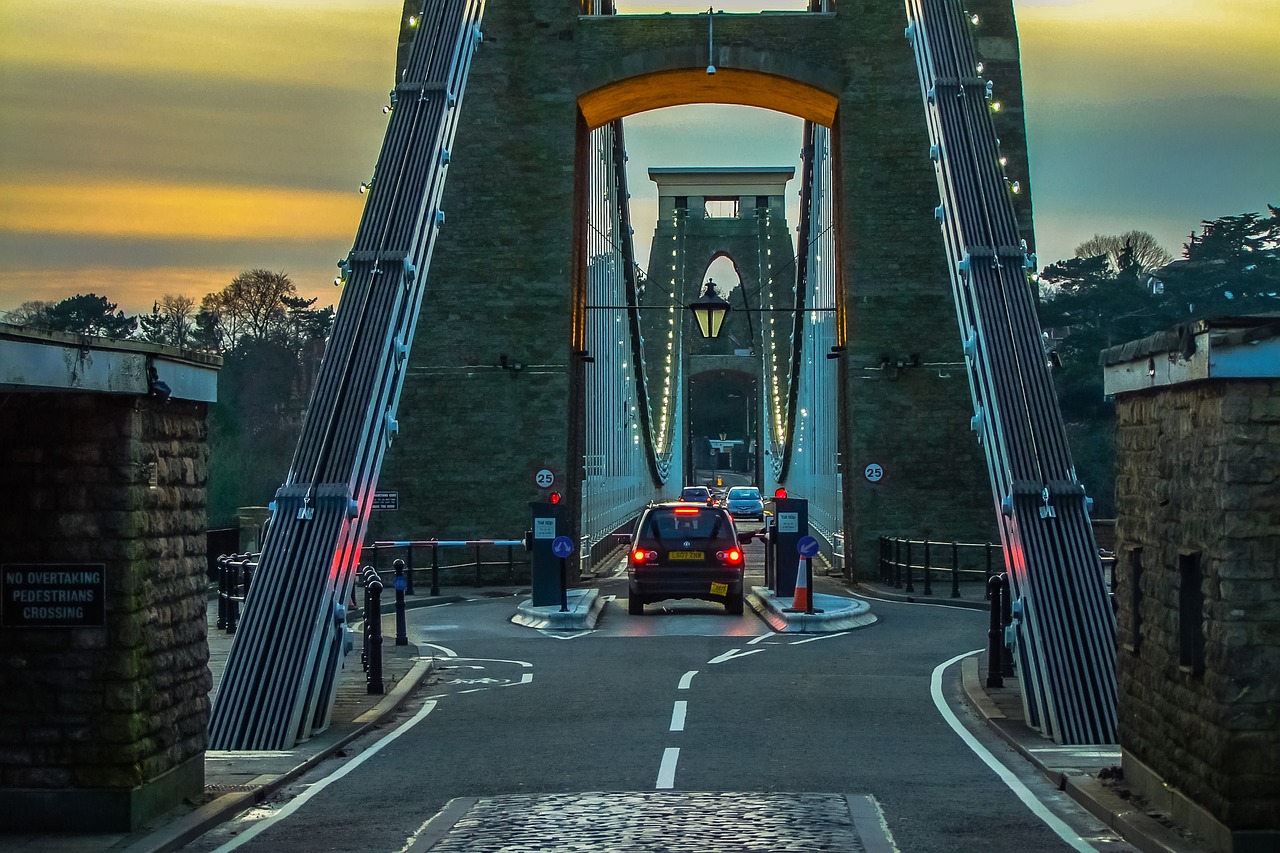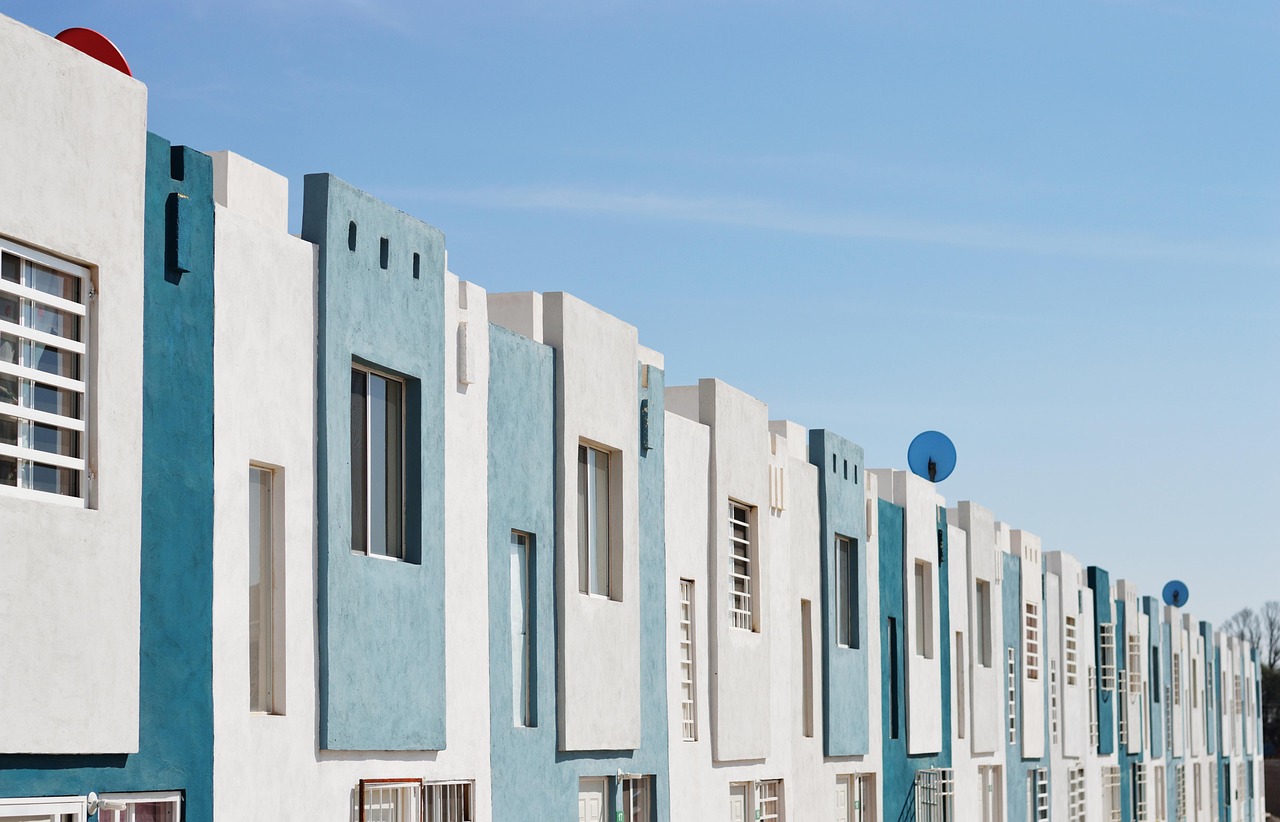
Rarely does a city’s milestone grab headlines quite like Bristol’s latest achievement: surpassing 500,000 residents, according to fresh figures released this July. As someone who’s watched Bristol evolve over the past decade, cycling through Southville’s bustling parks and grabbing coffee on Gloucester Road, I can say the city feels more vibrant. And more pressured. Than ever.
The Numbers: Where and How Bristol’s Growing
Population data out this summer confirms Bristol’s population now exceeds half a million, a first in its history. A deep dive into ward-level statistics shows serious momentum in localities such as Lawrence Hill, Bishopston & Ashley Down, and Brislington West. These wards have attracted thousands in just the past few years, reflecting both natural growth and a fresh wave of internal migration from other UK regions.
Lawrence Hill, for example, is consistently flagged as a hotspot for younger arrivals and diverse family groups, while Bishopston & Ashley Down continue to see an uptick in young professionals working remotely. Having spent time at community meetings, I’ve heard firsthand just how stretched local services feel. Especially as previously affordable neighbourhoods face the pressure of rising demand and changing demographics.
Housing: Greater Demand, Fewer Affordable Choices
Let’s be direct: finding a decent place to live in Bristol is harder now than it’s ever been. Recent analysis from city housing profiles highlights how affordability is fast slipping out of reach, particularly for first-time buyers and low-income households. House prices have shot up at a pace outstripping the national average, and monthly rental costs keep many young families in a perpetual search for suitable accommodation.
Bristol City Council’s Joint Strategic Needs Assessment for 2025/26 spells out the pain points: east Bristol and central wards are facing especially severe shortages of affordable social housing, while even previously “up-and-coming” sectors like Bedminster are seeing sharp price hikes. It’s not just talk; friends of mine have wound up in bidding wars for two-bedroom flats, while others have left the city entirely, citing the impossibility of finding anything reasonable within budget.
Council data backs this up. Despite the recent pledge to deliver approximately 7,000 new homes over the next four years. Including both market-rate and social units. Demand still outpaces supply, and waitlists for social accommodation are the longest the city’s ever recorded.
Infrastructure and Transport: Can Bristol Keep Pace?
Growth isn’t just about numbers; it’s about whether a city can rise to meet its new size. Right now, Bristol finds itself caught in a race to expand everything from road networks to public transportation. The city’s 2025-2030 Corporate Strategy lays out plans for a new rapid bus system linking Filton, Temple Meads, and South Bristol Hospital, alongside major investment in cycling infrastructure.
Old Market’s upcoming road redesign is just one example of the looming overhaul. This project aims to ease congestion and improve links for buses and active travel, a necessity as commuter traffic has spiked by around 12% over the past two years. And let’s face it, anyone stuck on the M32 during rush hour has felt that squeeze.
Temple Meads, too. The city’s iconic rail hub. Is undergoing a massive “Southern Gateway” redevelopment. With new entrances, accessibility upgrades, and increased capacity on the cards, it’s clear Bristol is pivoting to keep up.
Still, these initiatives come with growing pains. Local business owners, for instance, are raising concerns that construction could impact footfall. From direct conversations with traders on East Street, there’s a mix of cautious optimism and justifiable anxiety.
The Pull: Why Bristol Keeps Attracting New Residents
Why are so many people choosing Bristol right now? It’s more than the street art, independent shops, or festivals (though those are fantastic). Migration patterns tracked by both the city council and industry analysts show that Bristol is a top destination for professionals priced out of London, graduates drawn by tech and creative industries, and international families seeking a safe, vibrant environment for kids.
The tech start-up boom, especially in Finzels Reach and the harbourside areas, has poured fresh energy into the market. Local universities continue to draw talent from across the UK and abroad, fueling a population spike in wards close to campus. I’ve spoken with recent arrivals from Manchester and Cornwall who say Bristol “feels like home” even after just a few months, citing its unique mix of culture and opportunity.
Urban Expansion: Bristol’s Biggest Challenges and New Chances
Rapid growth is never a simple affair. Pressure on GP surgeries, local schools, and public spaces already kicks up heated debates at council meetings. The city faces hard decisions around green space protection versus new-build developments. Those debates are playing out in real time, from St. George to Southmead.
Still, expansion brings opportunities too: a stronger economy, more diverse communities, and the potential for innovative urban planning. The focus on sustainability in new housing developments, and renewed attention to protecting the city’s parks, signals a recognition that quality of life must remain front and centre.
Having been involved with local volunteer groups, I’ve seen how communities can rally when their neighbourhoods are facing change. There’s deep pride in the city’s resilience, but a widespread sense that leadership must get ahead of the curve to prevent Bristol’s growing pains from becoming chronic problems.
What’s Next for Bristol?
Bristol stands at a crossroads. Its newfound status as a city of half a million is a marker of success, but also a wake-up call. City leaders, developers, and community groups must act cooperatively. And fast. To ensure Bristol’s evolution results in greater opportunity for all.
The next few years will reveal whether the city can truly balance growth, affordability, and quality of life. I’ll be watching closely, alongside thousands of others, hoping Bristol keeps its sense of community and never loses the spark that makes it special.
How are you experiencing the changes in your part of Bristol? Share your stories and ideas with neighbours, council reps, or through local forums. Because shaping this city’s future takes all of us pulling together.
Frequently Asked Questions
How has Bristol’s population growth affected housing prices in 2025?
Rising demand has driven house prices significantly higher across the city, especially in popular wards such as Bishopston & Ashley Down, Lawrence Hill, and Bedminster. Many buyers and renters report ongoing bidding wars and tight availability, with affordability being a serious concern for both new arrivals and long-term residents.
Which areas of Bristol are experiencing the fastest growth and housing shortages?
Lawrence Hill, Bishopston & Ashley Down, Brislington West, and Easton have recorded some of the most rapid population increases in 2025, matched by intense pressure on the local housing market. These areas are now amongst the toughest for finding reasonably priced or social housing.
What are the main transport expansions planned by the city council?
Current initiatives include new rapid bus routes, expanded cycling infrastructure, and a major redevelopment of Bristol Temple Meads (“Southern Gateway”). Efforts are focused on reducing congestion, enhancing public transport links, and making the city more accessible as the population continues to climb.
Why do so many people choose to move to Bristol?
Bristol’s blend of cultural vibrancy, career opportunities (especially in tech and creative industries), respected universities, and community spirit draws residents from London, other UK cities, and beyond. Attractive neighbourhoods, good schools, and an active lifestyle all add to Bristol’s appeal.
Are there concrete plans to increase affordable housing in Bristol?
The council has set targets to build thousands of new homes by 2030, including social and affordable properties, particularly in high-demand wards. Despite these ambitions, experts and residents warn that supply is still trailing behind actual need. The situation remains closely monitored and fiercely debated among policy makers and community groups.