Walking down Cotham Hill these days, you can’t help but feel the tension in the air, even between sips of flat white from one of the street’s bustling cafés. The sunny, lively al fresco scene that first popped up during the pandemic brought Bristol a taste of continental living. Now, with Bristol City Council scrutinising the temporary pedestrianisation measures and pavement licences, every hospitality owner, diner, and nearby resident is watching closely. The fate of those iconic outdoor tables is hanging in the balance, and a decision could transform the neighbourhood all over again.
Review Process: What’s Under the Microscope?
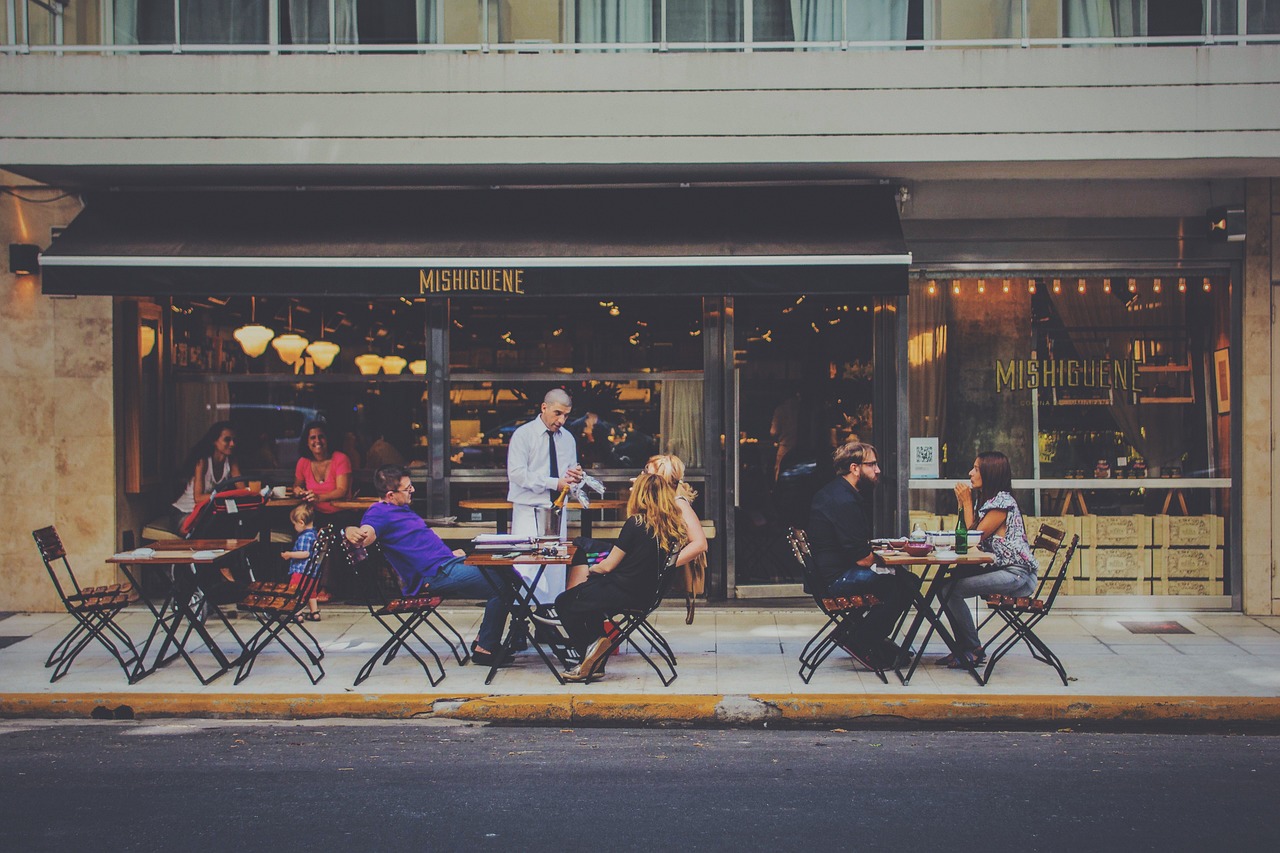
Since the early days of the pandemic, the local council implemented temporary traffic restrictions and pavement licence schemes. Restaurants and cafes that once squeezed customers inside now had bustling pavement seating . A crucial lifeline while indoor dining was off the cards. For many, this meant survival.
But fast forward to 2025, and these so-called temporary arrangements are now up for review. Bristol City Council is reassessing whether to continue, modify, or scrap the measures entirely. They’re digging into the details:
- Pedestrianisation impact: Has closing sections to traffic benefitted the street overall?
- Licence renewals: Should pavement seating stay a staple, or was it just a pandemic workaround?
- Community feedback: How have increased noise, waste, and access issues shaped public opinion?
This isn’t just bureaucracy for bureaucracy’s sake. Councils across the UK are rethinking pandemic-era changes as life evolves and competing demands for public space heat up again.
Real World Impact: Hospitality Businesses Feel the Pressure
From a professional standpoint, I’ve witnessed first-hand just how vital outdoor seating has become for Cotham Hill’s venues. One chef I know in the area explained how revenue doubled purely from being able to serve outside. Diners love it . Bristol’s food scene thrives on character and sociability, and there’s something infectious about the hum of busy terraces.
Still, the gains didn’t come easy. There were red tape wrangles, extra staffing headaches, and the threat of restrictions always looming. For the small operators along the street, even a short-term loss of outdoor trading can mean the difference between making rent or closing doors for good.
Traders vs Residents: The Debate Intensifies
Not everyone shares the same sunny outlook concerning those pavement tables. Residents’ groups have voiced concerns, especially about late-night noise and hindered access for older citizens or those with mobility challenges.
Here’s where the heart of the debate lies:
- For traders, outdoor dining has been a boon, transforming Cotham Hill into a lively destination and boosting the local economy. The area draws entrepreneurial talent and helps independent businesses flourish.
- For some residents, it brings disruption. There’s louder nightlife, issues around litter and parking, and calls for a rethink about balanced use of public space.
It’s a classic tug-of-war . Progress for some means new frustrations for others.
A Broader City Conversation: Pedestrianisation Plans
It would be shortsighted to see Cotham Hill’s deliberations as an isolated issue. Bristol City Centre is undergoing a more significant rethink regarding pedestrian priority, conscious of both climate commitments and the city’s vibrant cultural life.
Permanent traffic restrictions on Clare Street and the Old City quarter are also under discussion. Transport and planning professionals agree: when done well, less car access can foster safer, greener, livelier urban environments. But there’s no one-size-fits-all answer, especially in residential pockets like Cotham Hill.
These decisions shape the very identity of Bristol . As a forward-thinking, people-first city, or one struggling to balance commerce and community.
What Happens Next?
Bristol City Council will be inviting final feedback over the coming weeks. Full council discussions are anticipated, with a decision expected by early July.
If you care about Cotham Hill . Whether you run a business, call the area home, or just enjoy a weekend bite at your favourite spot . Your thoughts still count. There’s a window for last-minute comments, usually via the council’s planning portal or dedicated public engagement channels. The council’s outcomes will likely set a precedent for how the city mulls public space use as we look beyond pandemic “quick fixes” and towards long-term planning.
Balancing Act: The Stakes for Bristol
Change always comes with trade-offs. As cities evolve, maintaining a delicate balance between business growth, resident satisfaction, and the wider good is never easy.
Speaking professionally, I’ve seen thriving local economies emerge from well-managed pedestrianised zones, but I’ve also watched beloved scenes falter when support structures drop out. With Cotham Hill, the next move will signal how Bristol weighs tradition, innovation, and the rights of its communities.
There’s genuine merit in all sides of this debate. Streets shape memories, livelihoods, and the rhythm of daily life. The choice the council makes will ripple well beyond a simple stretch of pavement . Affecting how the city eats, works, and connects.
Your voice truly matters, whether you’re for keeping the tables under the sun or rolling back to curbside traffic. If you want a say, this is your moment to weigh in. Speak up, make your perspective known, and help Bristol craft a future everyone can be proud of.
Frequently Asked Questions
What are the temporary pedestrianisation measures on Cotham Hill?
Cotham Hill introduced temporary traffic restrictions and extended pavement dining permissions during the pandemic, letting restaurants and cafes use public space for outdoor service. This shifted vehicle flow and created a more pedestrian-friendly, vibrant street.
How has outdoor dining changed business for local venues?
Outdoor seating has provided a significant boost to many venues by increasing capacity and drawing more people to the area. For some, the extra tables made business viable during challenging times, while many report busier atmospheres and stronger community ties.
Why do some residents oppose these changes?
Resident concerns centre on later-night noise, increased litter, and difficulties with parking or passing through narrow pavements. There’s worry that the needs of those living nearby, especially older people and families, aren’t always prioritised.
How does this review relate to wider city planning in Bristol?
The council’s review fits into broader trends of reimagining public spaces, reducing reliance on cars, and responding to both climate targets and changing social habits. Decisions made on Cotham Hill could guide plans in other city zones facing similar debates.
How can the public have their say before the decision?
During the review period, Bristol City Council typically opens channels for feedback via official online portals or designated email submissions. Engaging now ensures your opinions are considered before final decisions, expected in early July. Keep an eye on council notices and local news for updates on submission methods and deadlines.