What Bristol’s 2025 Hosepipe Ban Means for Residents
A hosepipe ban is once again making headlines, and if you live in or around Bristol, you’ve likely noticed the shift in local conversation as of today. After weeks of speculation and mounting pressure from water authorities, the city now faces legally binding restrictions on non-essential water use. It’s a significant step, not just for those with sprawling lawns or cherished flowerbeds, but for everyone across the region. If you’re wondering what’s behind these measures, who’s directly affected, and how to respond responsibly in daily life, you’re in the right place.
What the Restrictions Cover: Knowing Where the Line Is
In practice, the hosepipe ban is exactly what it sounds like – a legal curb on the use of hosepipes for typical outdoor water tasks. The current order applies to:
- Watering gardens, lawns, plants, or borders using a hose
- Washing vehicles at home
- Filling or maintaining private swimming pools and ponds
- Cleaning patios, driveways, or outdoor furniture with hosepipes
- Filling ornamental fountains
Exemptions tend to be rare, often limited to commercial users, safeguarding vulnerable individuals (like those with accessibility needs), or preserving livestock. Domestic doorstep car washes and jet-washing the barbecue for a summer party? Both are now off-limits.
The measures have teeth – breaking the rules is a civil offence, not a gentle reminder. Households caught flouting the order can face fines running up to £1,000. During past droughts, enforcement has typically relied on reports from neighbours or council patrols. While the council has made it clear proactive policing isn’t the main aim, households shouldn’t count on simply slipping through the cracks.
Which Parts of Bristol Are Directly Impacted?
According to the latest guidelines, the ban covers the entirety of the Bristol Water supply area. This includes central Bristol, Clifton, Redland, Bishopston, Bedminster, Southville, St. George, and nearby suburbs such as Filton, Bradley Stoke, and Keynsham. Outlying communities supplied by Bristol Water, from Nailsea to Yate and Portishead, are also within scope.
For those living on postcode or city borders, there has been understandable confusion. The simplest, most reliable way to know your status is to use the postcode checker provided by local water authorities. If your bill comes from Bristol Water and your tap runs clear this week, the ban is in effect for you.
Why Now? The Environmental Realities Behind the Decision
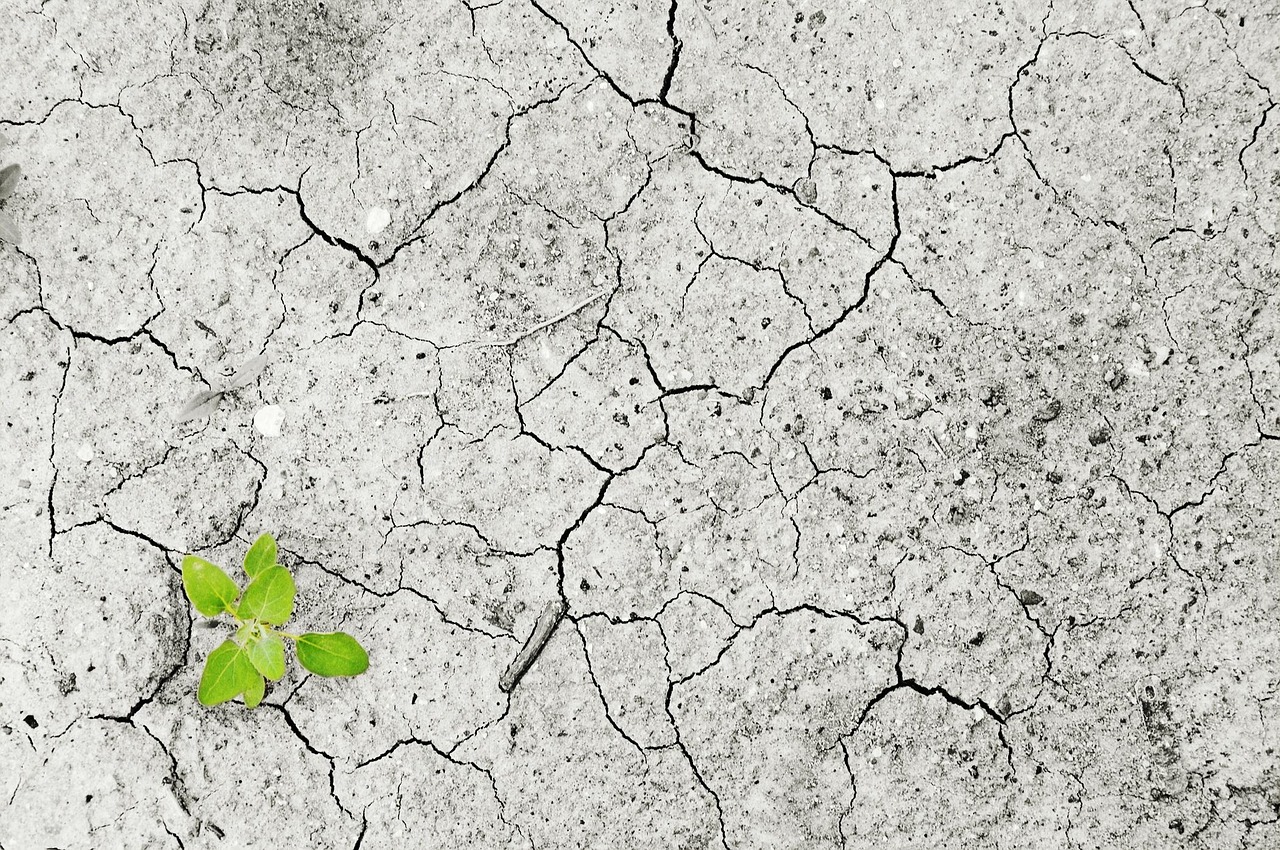
This summer’s weather hasn’t just been hot – it’s been historically dry. Rainfall in the Bristol region has been barely half the seasonal average since May, with reservoirs at their lowest levels for a decade. The Met Office has confirmed that cumulative rainfall since spring ranks among the driest spells seen this century for southwest England.
Research by Bristol Water and independent hydrologists highlights the double hit of a swift, early heatwave followed by persistent high temperatures through June and July. River levels, particularly the Avon and Chew, have dropped significantly. In previous years, water reserves bounced back after rain; this year, the ground simply couldn’t soak up enough before the next wave of sun-baked days.
As a professional who’s tracked water management for over a decade, I can say the current situation stands out for its pace and severity. At the last major public drought review, local authorities called for improved household preparedness, emphasizing collective responsibility and the vital role of everyday conservation. I’ve attended multiple briefings over the years, and the consensus among officials remains: voluntary savings are never enough when rainfall dips this low.
How Long Is the Ban Expected to Last?
Based on official statements and expert analysis, the ban is open-ended but likely to continue at least until water reserves return to safe operational levels. This typically means several consecutive weeks of above-average rainfall and cooler temperatures – factors not currently on the horizon, according to the latest Met Office forecasts.
Historically, bans have lasted anywhere from a few weeks to several months in severe cases. Local authorities are reviewing conditions weekly. The good news? Bristol Water has kept communication channels open, pledging prompt updates as soon as any relaxation becomes feasible.
The Science and Standards Behind Drought Management
Hosepipe bans are not introduced lightly. They follow documented, multi-stage triggers, including:
- Reservoir Storage Levels: Daily monitored and benchmarked against seasonal averages. When storage falls below 70%, it flags the need for restrictions.
- River Flow Data: Ongoing measurements of the Avon and Chew are critical. Low flows endanger both water supply and aquatic ecosystems.
- Rainfall Deficit: Meteorological analysis confirms that 2025’s deficit started in spring and worsened into summer, making this the most severe shortfall in over a decade.
- Public Usage: Households, local sports clubs, and gardening enthusiasts tend to increase consumption in hot weather, further straining already-stretched supplies.
Facing the Reality: Penalties and Compliance
No one wants to see a neighbour fined, but enforcement is real and rooted in national water law. Council officers and water company representatives are empowered to pursue action if they find serious breaches – not just isolated mistakes. In 2022, a handful of penalties were issued after warnings, mostly prompted by reports from vigilant locals. This year, with digital platforms making it even easier to report violations, residents would be wise to take the rules seriously.
For the record, there’s no interest in persecution – simply a shared goal to help Bristol avoid more severe hardship, including phased water rationing or pressure restrictions.
Advice for Responsible Water Conservation
If you’re looking for practical steps to slash your water use while still living comfortably, these tips will help:
- Watering: Use watering cans for essential plants, and only early in the morning or late evening to reduce evaporation.
- Cleaning: Switch to buckets and sponges for outdoor cleaning needs.
- Vehicle Care: Visit approved commercial car wash stations that recycle water or postpone a wash altogether.
- Harvest Rain: Collect water from any downpours using butts or barrels for use during dry spells.
- Re-use: Greywater (from baths or dishwashing) can sometimes be used for garden watering, providing it’s safe for plants.
When my family adopted these habits back during the 2018 restrictions, not only did our bills shrink, we actually found more time for weekend walks and less on constant outdoor chores.
The Bigger Picture: Why Compliance Matters
Drought touches all of us, often in subtle but profound ways. Beyond the parched grass and wilted petunias, water shortages test our sense of community. Can we pull together – or at least avoid the temptation to sneakily splash the frontage at dawn?
Bristol’s rich horticultural and community history means we’re no strangers to adapting. Past restrictions, from hosepipe amendments to metered billing rollouts, show that small daily choices add up. By acting together, Bristol residents can not only safeguard critical supplies but also set an example for other cities now staring at similar crises.
Frequently Asked Questions
What activities are banned under the hosepipe ban?
The ban targets all non-essential outdoor use of hosepipes, including watering gardens, washing vehicles at home, cleaning outdoor areas, and filling private pools or ponds.
How will I know when the ban is lifted?
Updates will be posted by Bristol Water and local news outlets. The ban is likely to remain until significantly more rainfall replenishes reservoirs.
Are there any exceptions to the hosepipe ban?
Very few. Exceptions are typically for commercial users or those with certified medical or accessibility needs. Generally, domestic use is heavily restricted.
What happens if I accidentally break the ban?
Minor accidental breaches are likely to receive a warning, but persistent or flagrant violations risk civil penalties of up to £1,000.
Why are hosepipes singled out, and not taps or showers?
Hosepipes can use over 1,000 litres an hour – more than most households use indoors all day. Cutting their use quickly reduces overall demand during a drought.
The current hosepipe ban is a collective challenge but also an opportunity – for each of us to play a part in shaping how the city weathers the months ahead. Check on your neighbours, stay updated, and let’s keep Bristol flowing.