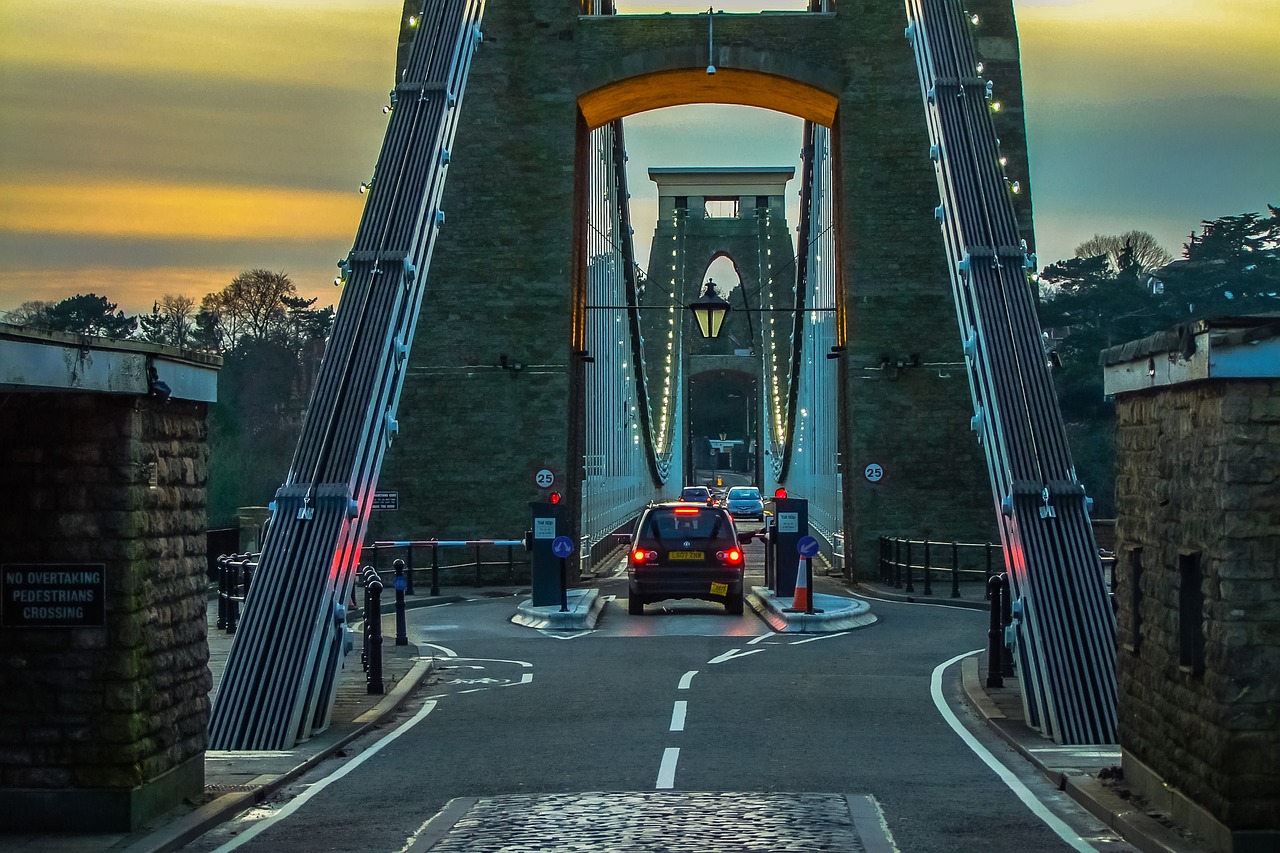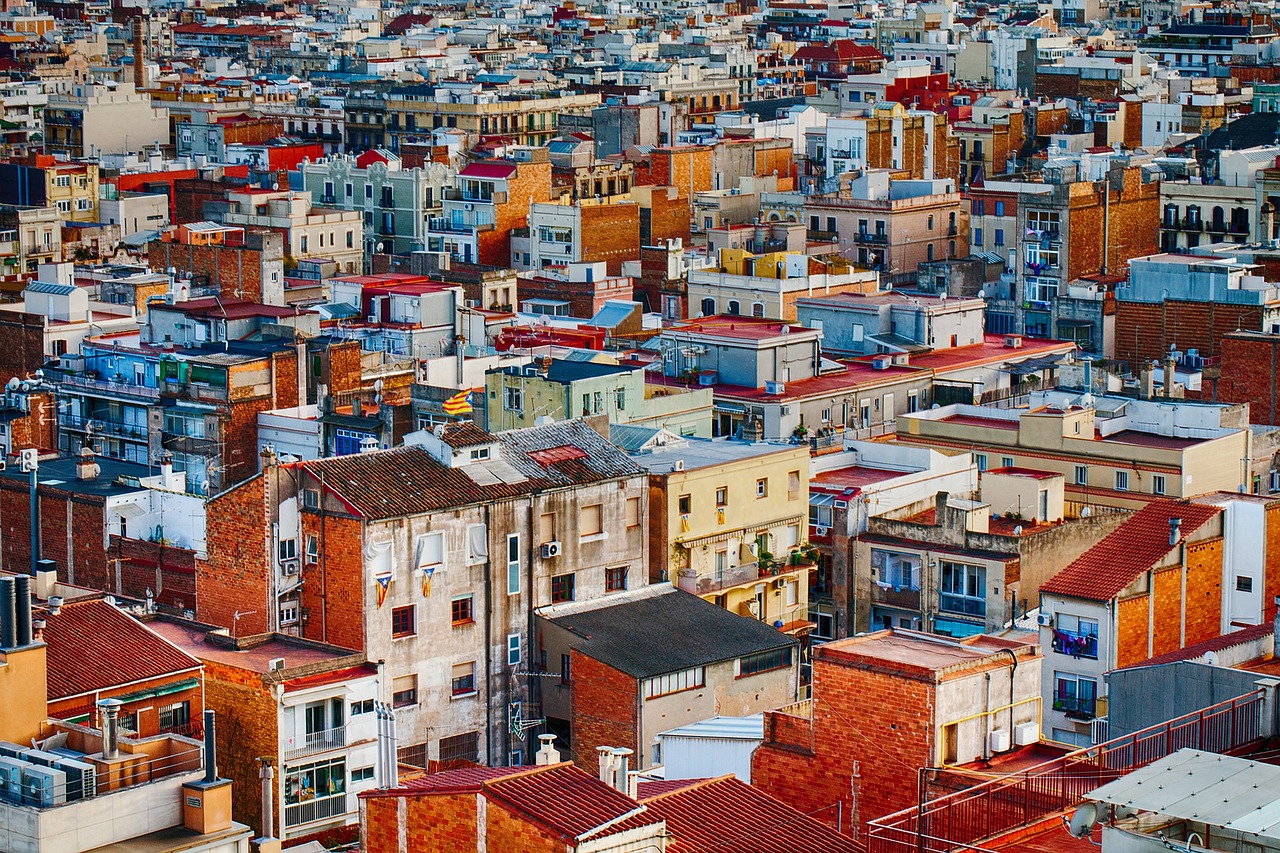
It’s not every day that a city tips over such a striking threshold, but Bristol’s population has now surpassed half a million for the very first time. Anyone walking through the city’s bustling harbourside or the ever-evolving streets of Bedminster can feel this growth firsthand. Queues in cafes are longer, flats are cropping up where warehouses once stood, and finding a place to rent feels tougher by the week.
The Current Rental and Property Challenge
Let’s start with the raw reality: Bristol rents have been rising steadily throughout 2024 and into mid-2025, with average costs now among the highest outside London. Data as of June 2025 shows average house prices in the city approaching the £400,000 mark, having increased markedly since 2023. Many traditional hotspots. Think Bishopston, Clifton, and Redland. Remain out of reach for young professionals, first-time buyers, and low-income families.
As someone who recently helped a colleague secure a rental in Filton, I’ve seen up close the lengths prospective tenants must go to. Viewings routinely attract dozens of applicants, and agents often have waiting lists weeks long. Stories of renters settling for rooms far from work or university aren’t rare. They’re the norm.
Demand Peaks in Key Areas: Bedminster, Filton, Redfield
Neighbourhoods that were once quieter, even fringe, are now the focal points for newcomers and long-term residents alike. Bedminster has transformed, with regeneration efforts sparking wild demand and driving up competition. Redfield, traditionally seen as more affordable, is rapidly gentrifying, and Filton’s expansion. Spurred partly by the new business park and transport links. Has only intensified the race for housing.
Research published in June 2025 highlights how population shifts are placing extra strain on these districts. In practice, this means multi-generational families sharing small flats, professionals commuting from further afield, or young people postponing any hope of independence.
Quick Pulse on New Developments: In Progress, Paused, or Delayed
Bristol does have new housing planned, and cranes dotting the skyline prove as much. Projects in Temple Quarter, Bedminster Green, and the northern fringe are underway, with the council targeting over 22,000 new homes by 2027. However, the pace is contentious. Multiple high-profile schemes remain paused, with developers blaming volatile costs, workforce shortages, and planning gridlock.
The gap between what’s promised and what’s delivered feels frustratingly persistent. While shiny renderings of future neighbourhoods abound, the bricks-and-mortar reality lags stubbornly behind.
Council Strategies on Affordability: Words Into Action?
The council’s 2025-27 Interim Affordable Housing Delivery Plan, rolled out this spring, set out clear (and some might say optimistic) targets. There’s a drive to maximise affordable builds via partnerships with housing associations, unlock brownfield sites, and offer shared ownership options. The local authority has also begun to revisit planning regulations, promising to fast-track viable schemes and allocate more resources to the approvals process.
Still, on-the-ground voices across the property sector believe efforts remain too little, too slow. Essential workers are getting squeezed out of the city they serve. People with deep roots here are now travelling ever further for affordable living. Friends of mine who recently tried to buy in Totterdown found themselves priced out at the last minute by cash buyers from outside the region.
What’s at Stake if Delays Persist Toward 2026?
The risk runs deeper than inconvenience. If delays stretch into 2026, we could see core services. Healthcare, education, transport. Face worsening recruitment and retention issues, as people simply cannot afford to stay. Renters and would-be homeowners may look elsewhere, draining Bristol’s talent pool and sense of community.
Developers have privately voiced concern about funding uncertainties if planning bottlenecks persist into next year. If slip-ups continue, market analysts predict that Bristol’s affordability crisis could become a national cautionary tale. With demand forecasted to keep climbing and major developments stalled, pressure will only mount.
Direct Insights: Living the Bristol Housing Squeeze
Working in Bristol’s property scene, I’ve witnessed both the hopes and heartbreaks attached to housing search. There’s a tangible sense of anxiety. Will that dream flat still be there tomorrow, or rented within hours by someone offering six months’ rent upfront? Buyers feel much the same pressure, often stretching finances to make their move now rather than being left behind in an increasingly frantic market.
Residents are right to ask. What practical change will they see from the latest council strategies? Will affordable truly mean affordable for the swathes who need it most, or just a box ticked on a balance sheet?
The Road Ahead for Bristol
Bristol’s charm, vibrancy, and opportunity continue to draw people in, but the city now stands at a crossroads. The situation points not just to policy challenges, but to the fabric of what makes Bristol, Bristol. A diverse, welcoming, and creative city.
Urgent, joined-up action is vital. Speeding up planning, supporting construction, safeguarding affordability, and protecting the most vulnerable are not merely political statements. They are the necessary steps for Bristol’s long-term health.
Let’s be clear: action can’t wait. For every delay, another family faces an impossible choice, another young Bristolian puts dreams on hold, and another thread of community is strained.
Bristol must seize this moment. Rising to meet the challenge, keeping both old and new residents at its heart. The city’s future depends on it.
Frequently Asked Questions
What is the average house price in Bristol now?
As of June 2025, average property prices in Bristol have climbed to just under £400,000. Some popular areas are seeing even higher figures, underscoring the significant challenge facing both first-time buyers and those seeking larger family homes.
Which Bristol neighbourhoods are attracting the most demand?
Recent reports point to Bedminster, Filton, and Redfield as property hotspots, driven by regeneration, improved amenities, and the influx of new jobs. Demand in these areas continues to outpace available supply, pushing prices and rents up across the board.
What steps is the council taking to improve housing affordability?
Bristol City Council has set out the Interim Affordable Housing Delivery Plan for 2025-27, aiming to boost affordable housing via new builds, partnerships, and better planning processes. Priority projects include brownfield redevelopments and streamlining planning approvals to accelerate delivery.
Why are new housing developments being delayed?
Developers and council officials cite factors such as increased construction costs, labour shortages, and complex planning requirements for the delays. While several schemes are in motion, others remain stalled due to regulatory and market challenges.
What could happen if these housing issues are not addressed soon?
If housing supply fails to keep up with Bristol’s surging population, essential services risk losing key staff, families might have to move further afield, and the city’s vibrant cultural and economic life could be impacted. Timely, effective action is crucial to prevent ongoing strain on Bristol’s housing ecosystem.