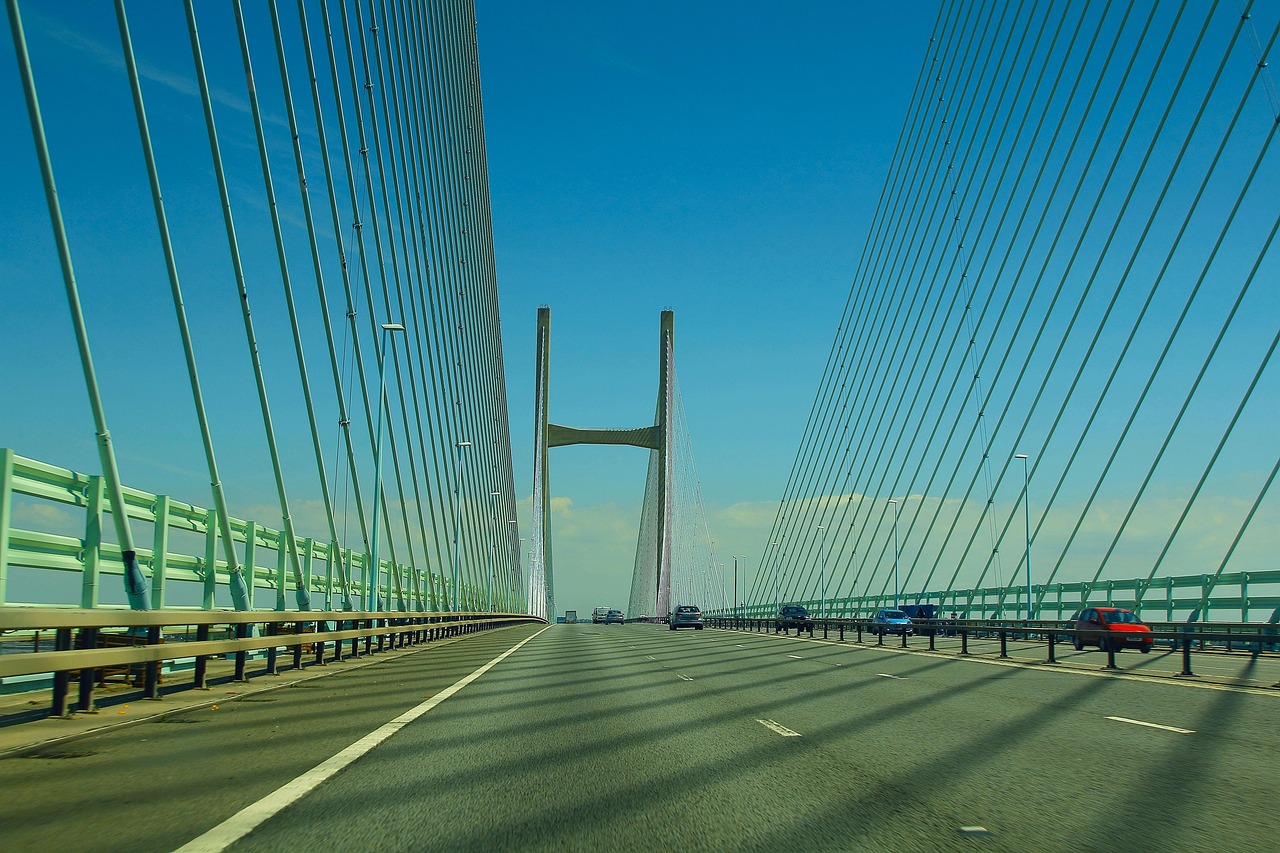
Monday mornings are notorious for surprises, but today brought a particularly disruptive turn of events for anyone commuting into, out of, or around Bristol. News broke early of a serious collision near the M4 Prince of Wales Bridge, with the northbound M49 bearing the brunt. Long tailbacks, frustrated drivers, and an immediate scramble for alternative routes. Even seasoned drivers, the ones who know every back road like the lines on their palm, found themselves gridlocked and recalculating their plans.
Details of the Collision Near the M4 Prince of Wales Bridge
This morning’s incident unfolded near one of the busiest links around Bristol. The stretch connecting the M49 northbound to the M4 Prince of Wales Bridge. From available reports, a multi-vehicle collision occurred just before rush hour, involving not just commuter vehicles but also heavy goods lorries. Initial emergency updates suggested that two lanes were blocked, rapidly worsening congestion as cars and trucks queued back towards Avonmouth.
The incident scene was described as hectic and tense, with recovery teams immediately called out. The priority, as always, was to secure those involved and ensure medical attention was swiftly administered. I’ve witnessed similar scenes before, having spent years working on transport technology solutions that are often tested during these high-stress moments. In such situations, timing matters. Seconds feel like hours for those stuck or waiting for help.
The Real Impact on M49 Northbound and Local Congestion
If you’ve driven this stretch, you’ll know how swiftly a problem here dominoes out to the bigger area. With the M49 northbound essentially shut for several hours, traffic began spilling onto the local B4055, the A403, and even smaller link roads through Severn Beach and Pilning. This disruption didn’t only trap the regular morning flow; it also laid waste to logistics schedules for regional distributors, as freight drivers tried to reroute on short notice.
Commuters collided with freight movement. Quite literally in some places. With frustration palpable. My local contacts in the logistics sector relayed tales of goods delayed, deliveries missing their slots, and calls flying between dispatchers hunting for quicker detours. When digital route-planning platforms kicked in, some unconventional paths through residential zones picked up traffic, leaving neighbourhood roads jammed with unfamiliar vans.
Real-Time Travel Updates and Diversion Advice
Navigating today’s chaos meant keeping an eye on official travel advisories and digital mapping tools. Avon and Somerset Police, together with National Highways representatives, pushed frequent updates across social media. Their guidance was unequivocal: avoid the M49 northbound if at all possible, and instead use the M5 and A4 as strategic bypasses for journeys between Bristol and South Wales. Those heading to Severn Beach or the local industrial parks were urged to delay travel unless absolutely necessary.
Kazana Technologies Ltd has often partnered with transport authorities in East Africa to optimise traffic management during emergencies, and today’s events were a stark reminder of how essential real-time data is in such circumstances. Advanced traffic flow tools and AI-driven alert systems. Of the sort we help develop. Make a tangible difference during these high-pressure hours by providing up-to-the-minute diversions and streamlining emergency responses.
Emergency Services: Rapid Response and Lessons Learned
Police and emergency services were quick off the mark, deploying units to the scene within minutes. The area was cordoned off efficiently, not just to preserve safety but also to enable rapid medical attention and vehicle recovery. As anyone in emergency management will confirm, a swift multi-agency response is crucial. Today, coordination between police, fire, medical staff, and recovery operators was solid. Demonstrating the value of routine training drills and prior experience.
Reflecting on my own hands-on work with crisis management solutions at Kazana Technologies, the integration of communication tools for coordinated emergency response is paramount. We’ve observed in multiple case studies across Uganda and neighboring regions how streamlined communication saves lives and time. Being caught in traffic during an emergency incident is never just an inconvenience. It can also be a life-or-death scenario for those involved.
Why Digital Innovation Matters on Days Like This
Day-to-day, most drivers don’t think twice about the tech behind those traffic warnings flashing above the motorway or the mapping apps re-routing them away from trouble. But every major incident shines a spotlight on the invisible systems working to keep everyone safe and on the move. Kazana Technologies, with deep experience delivering custom digital solutions to transport operators, has seen first-hand how rapid communication, reliable data analytics, and emergency notification systems change outcomes when the stakes are high.
Many solutions we’ve deployed for real-time commuter and logistics management in East Africa would prove transformative if scaled in complex UK networks. From predictive AI that identifies congestion triggers, to rapid two-way communication between authorities and the public, the tools are there. When given the space and trust to operate.
Looking Forward: Resilience and Readiness
Disruption like today’s is never welcome. Yet, each event is a lab for learning, both for traffic management and the wider community. The resilience of Bristol’s network. Public, private, and digital. Will be tested again, without question. For commuters caught in today’s jam, patience ran thin, but the silver lining is a renewed appreciation for the systems and people behind the scenes.
As a technology innovator, I believe continuous investment in smarter, more connected infrastructure isn’t just about efficiency. It’s about safety, trust, and future-proofing our civic life. Keeping everyone moving when accident strikes is what separates ordinary solutions from truly resilient, world-class systems.
We encourage local transport authorities, technology partners, and everyday commuters to continue advocating for. And adopting. Digital innovations that will keep Bristol moving, whatever comes next.
Frequently Asked Questions
What caused today’s major traffic disruption near the M4 Prince of Wales Bridge?
The significant disruption resulted from a multi-vehicle collision on the M49 northbound near the Prince of Wales Bridge. This incident occurred during peak rush hour, leading to long queues and secondary congestion on diversion routes.
Were there any injuries as a result of the collision?
Official updates at the time of writing indicated that emergency medical personnel attended to several individuals at the scene. The precise number and severity of injuries have not been confirmed; authorities continue to provide updates as the situation develops.
What diversion routes were available for drivers today?
Police and National Highways urged drivers to avoid the M49 northbound entirely, suggesting the M5 and A4 as alternative routes for those travelling between Bristol and South Wales. Local routes through Severn Beach and Pilning also saw increased use, but not without their own heavy congestion.
How do traffic management and technology companies help in such situations?
Digital solutions, such as real-time monitoring, AI-powered diversion algorithms, and emergency communication platforms, help authorities manage crises more effectively. At Kazana Technologies, these same tools have proven invaluable in reducing response times and informing the public during roadway emergencies.
What are the long-term impacts of incidents like this on local traffic and businesses?
Major incidents can lead to hours of delays, lost productivity, and logistical chaos. Not only for commuters, but for freight companies and regional businesses. They highlight the need for ongoing investment in smart transport infrastructure and resilient crisis response systems.
Let’s continue the conversation about how technology, collaboration, and preparedness can build a safer, smarter Bristol for everyone.