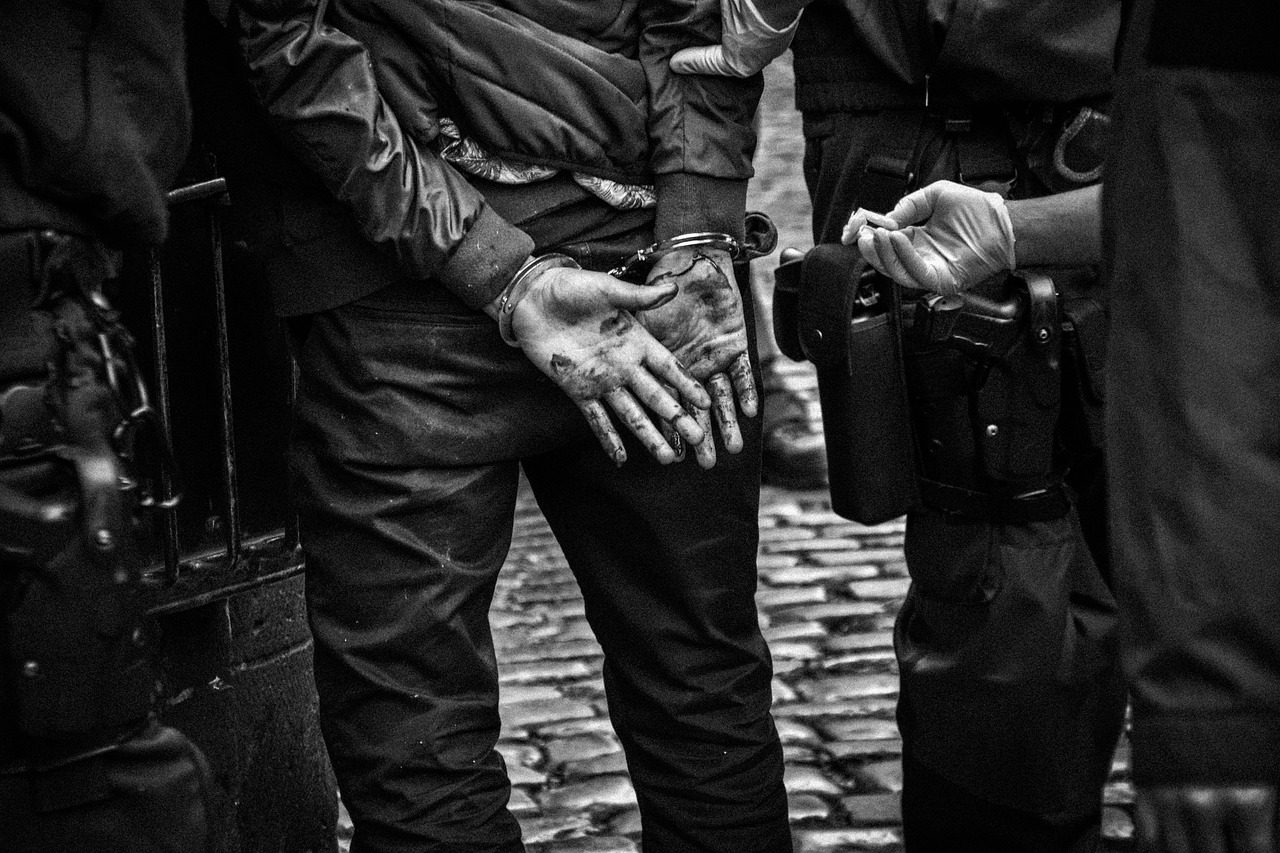
Street Dispute Leads to Drug Arrest in Central Bristol
Yesterday’s routine stroll through a central Bristol neighbourhood quickly shifted into the kind of scene you hope to avoid. Sirens, flashing blue lights, and a growing crowd signalled that something serious was unfolding on Bristol Street. As someone who regularly works with local organisations monitoring safety trends, I’ve witnessed first-hand how quickly moments like these can escalate. And their broader impact on community trust.
The Timeline: What Happened on Bristol Street?
Events began to escalate in the afternoon when police were called to mediate a heated dispute between several individuals on Bristol Street. People in the area said officers responded quickly. A necessary move given the sharp rise in similar street-level tensions this summer.
On arrival, officers separated those involved and conducted a standard search for weapons. That’s when things took a turn. Officers reportedly discovered several types of drugs on one of the men present, prompting an immediate arrest for possession.
While bystanders watched, law enforcement secured the scene and began a thorough search for further contraband. The process took a good hour, which led to significant disruption to the usual neighbourhood flow. Traffic slowed, and local businesses momentarily drew down their shutters.
What Drugs Were Found. And What’s at Stake Legally?
Authorities identified the substances as a mix of class A and class B drugs. A concerning combination by any standard. Based on public records and Bristol’s recent crime logs, seizures often include heroin, crack cocaine, and methamphetamine. Each of these carries hefty legal penalties. Under current UK law, possession of class A substances can result in a prison sentence of up to seven years, an unlimited fine, or both. Class B offenses (like cannabis or amphetamines) also attract stern penalties.
Complementing past work with police crime suppression units, I’ve seen the domino effect such arrests can have. Beyond legal jeopardy, individuals caught with these substances often face restricted housing options, lost employment prospects, and, for families, a long road to recovery. Official records have shown a pattern: these incidents are rarely isolated one-offs.
Immediate Community Reaction: Disruption and Apprehension
Local residents did not hesitate to take note of the heavy police presence. Some took to local forums, voicing frustration over repeated disruptions in an area already struggling with public safety. In conversations with neighbourhood associations in earlier years, I’ve heard the same refrain: concern about safety after dark, worries about the welfare of children, and a growing call for more visible policing.
A trusted colleague working with youth engagement projects in the area recently shared updates that mirrored these community anxieties. Schools and small businesses are often among the loudest voices seeking swift intervention. Both for reassurance and as a signal to would-be offenders that law enforcement is watching.
Simple daily routines become fraught in the aftermath of such incidents. Parents consider alternative school routes. Elderly neighbours think twice before venturing out in the evenings. The ripple is real, and it lands hardest on the most vulnerable.
Rising Fears: Drug Confrontations in Bristol Neighbourhoods
This incident isn’t a blip on the radar. It’s part of a rising trend that’s put Bristol communities on high alert.
Latest published strategies from Bristol City Council and 2024/25 health profiles suggest more than 5,000 opiate or crack users are present locally. Police and council officials acknowledge the problem is bigger than individual arrests. More frequent patrols and coordinated interventions are now common responses, but many community leaders believe better partnership work with youth services and addiction support is just as vital.
Having worked alongside local health services, I understand how layered these challenges are. Law enforcement alone cannot turn the tide. Real progress happens in tandem with addiction outreach, mental health support, and genuine community engagement.
What Happens Next: Ongoing Investigation and Broader Lessons
The police have since confirmed they’re pursuing further investigations, using yesterday’s arrest as a launchpad for wider inquiries into local supply networks. Standard procedure involves reviewing CCTV, tracing connections, and coordinating with regional drug enforcement teams.
Not all details are available yet. Police have been measured in releasing information, citing the open nature of the investigation. Verified updates from police officials remain sparse, but the tone is unmistakable: this is not being taken lightly.
If my years of reporting from Bristol have shown anything, it’s that these flashpoints force difficult but necessary conversations. They spotlight the need for a united and informed community response.
Frequently Asked Questions
What are the immediate legal consequences for drug possession in Bristol?
Anyone found with class A drugs can face up to seven years in prison, an unlimited fine, or both. Even possession of class B drugs can lead to up to five years behind bars and a significant fine. Sentencing often considers past criminal records and whether intent to supply is suspected.
How are local authorities responding to rising drug-related incidents?
Local authorities are increasing patrols and working with public health teams. There are renewed efforts to coordinate with charities, youth organisations, and addiction services, targeting the roots of the issue rather than just its symptoms.
Are these types of confrontations becoming more common in Bristol?
Recent council and police data indicate an uptick in drug-related incidents over the past 12 months. Community leaders have consistently warned that public confrontations and drug offenses are putting extra pressure on safety services and residents alike.
What can community members do to improve safety?
Residents are encouraged to stay vigilant and report suspicious activity to police but are also urged to support community initiatives aimed at youth engagement and addiction recovery. Getting involved in neighbourhood watch programs or volunteering with local charities can make a tangible difference.
What support exists for individuals at risk of drug involvement?
A range of local services exists for people struggling with addiction or at risk of criminal involvement. These include NHS addiction clinics, independent charities, mental health support lines, and local authority support workers. Early intervention is key to changing outcomes.
From a professional standpoint and personal experience, the most effective change comes from communities that refuse to be bystanders. If recent events on Bristol Street have highlighted anything, it’s that partnership. Between police, residents, and support groups. Remains the best hope for creating safer neighbourhoods. If you care about the future of your area, now is the time to get involved, raise your concerns constructively, and support those drives for change in any way you can.