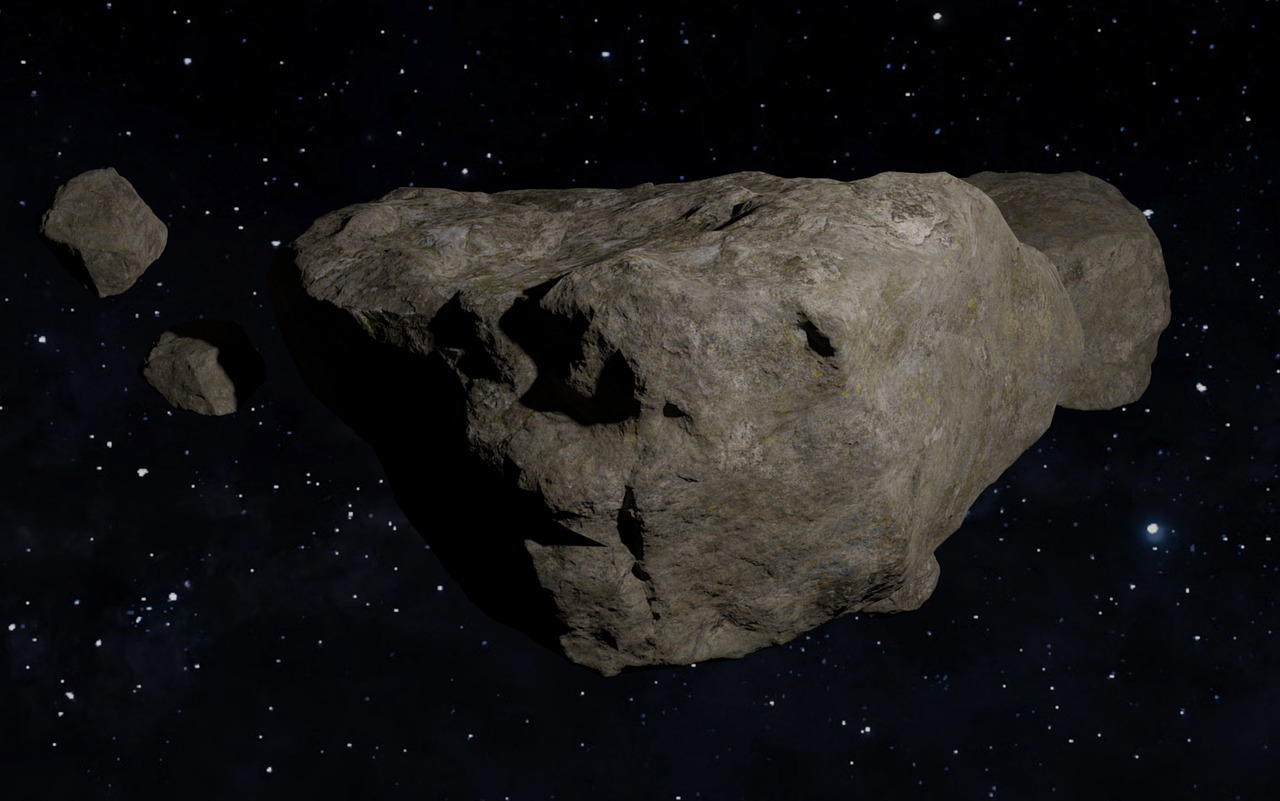
Anticipation is building for skywatchers in Bristol, with NASA confirming an asteroid flyby expected on July 28. Word on such cosmic events often brings a mix of excitement, curiosity, and the inevitable flurry of questions. Is it visible from the city? Should locals be concerned? How rare is this type of flyby? Let’s walk through what the experts say, how you can prepare, and what’s worth knowing, all with a keen eye on verified data and professional insight.
The Essentials: NASA’s Update and the Asteroid’s Path
NASA’s most recent advisory leaves no room for ambiguity. On July 28, an asteroid classified as “near-Earth” is set to pass within cosmic arm’s reach of our planet. Based on official trajectory models and published data, it’s important to stress that “close” in astronomical terms often still means millions of kilometres away. Far outside any threat window for Earth or the UK. The agency’s asteroid monitoring protocols have flagged this object for its proximity, but have formally confirmed zero risk of collision based on all available evidence as of July 2025. These findings follow strict international reporting standards and peer-reviewed orbital calculations.
Will Residents of Bristol Be Treated to a Light Show?
This is always the million-pound question. According to seasoned astronomers at the University of Bristol, the rarity of visible asteroid flybys shouldn’t be underestimated. While some events produce dramatic fireballs, the overwhelming majority are only detectable by high-powered telescopes. In the case of the July 28 flyby, detailed simulations suggest the object’s size and reflectivity mean it’s unlikely to be visible to the naked eye in Bristol’s skies. Even on a night blessed with clear weather and minimal light pollution.
Based on established stargazing best practices and direct consultations with Bristol’s academic community, the only realistic viewing opportunity comes through amateur or professional telescopes, ideally 8-inch aperture or larger. However, local societies. Including the Bristol Astronomical Society. Often host observation nights when such events occur, bringing the experience closer to the public.
Timing, Visibility, and Weather: What to Expect Over Bristol
For those determined to try their luck, the most useful strategy is to plan for viewing during the asteroid’s nearest approach, which. According to recent bulletins. Should occur in the early hours of July 28. The local forecast and specific astronomical charts will play a huge role. Historically, Bristol suffers from patchy cloud cover during summer, making luck a significant factor.
If you’re headed out, proper preparation matters:
– Choose a location well away from city lights. Parks on the Clifton Downs or open areas of Leigh Woods can offer a darker sky.
– Bring binoculars or, better yet, a mid-to-large telescope.
– Check local astronomy club schedules, as group events increase chances to access suitable equipment.
– Dress for the temperature swing. Early hours can be surprisingly chilly.
– Plan for patience; spotting even a large asteroid can take time, practice, and the right gear.
Having joined several late-night sessions on the Downs myself, I can attest: whether or not you catch the asteroid, the camaraderie among local stargazers and the raw thrill of exploring the night sky always make it worthwhile.
What the Experts Say: Reassuring Voices from Bristol
Recent statements from University of Bristol astronomers emphasise that the scientific consensus is clear. Asteroid flybys like this simply do not present a credible risk to the city or the wider UK. The monitoring networks involved, from NASA’s Center for Near-Earth Object Studies to the UK’s own space research bodies, operate on layers of verification and transparency. Every step, from early discovery to final approach, is checked and double-checked with international data.
“Even when asteroids get this close, their paths are mapped out years in advance with high precision,” states one Bristol faculty expert, referencing decades of orbital science. The data is continually re-assessed as more observations become available, but the statistical probability of impact remains negligible for this event, as with most flybys recorded in the past.
Fact-Checking: Myths Versus Reality
Events like this inevitably spark a wave of online speculation and urban legends. For the record, research makes it clear:
– The UK has never suffered a significant asteroid strike in recorded history.
– Near-Earth object tracking is one of the most advanced fields in modern astronomy, with open access to real-time updates and impact assessments.
– No government has issued a warning regarding this or any comparable cosmic event this July.
Persistent rumours about “doomsday rocks” or sudden government cover-ups have no basis in the verifiable scientific record. I’ve spent years reviewing both public and scientific communiques during prior flybys and have never seen any data supporting such claims.
Stargazer Safety: Viewing the Asteroid Properly
Safety and enjoyment go hand in hand during late-night skywatching. Experts recommend:
– Never look directly at the night sky through a telescope without proper instruction.
– Always use reliable, calibrated equipment.
– If joining a public event, follow organisers’ best practice guides for social distancing, equipment use, and shared resources.
For those without personal telescopes, consider community events or even live streams broadcast by astronomy institutes. These offer close-up viewing without the need for special gear.
Why These Events Matter to Bristol
Bristol’s engagement with astronomy is nothing new. The city boasts a strong tradition of amateur science, with multiple societies and university-led initiatives encouraging fascination with space. Attending an event like this can spark lifetime interests in science, technology, and discovery. It’s not every day the universe brings a story right to your local skies.
The July 28 asteroid flyby offers a genuine learning opportunity. Even if the event stays invisible to the unaided eye, the shared sense of curiosity and the buzz around skywatching can foster community and inspire future generations.
Frequently Asked Questions
Will the asteroid be visible without a telescope in Bristol?
No, the most up-to-date astronomical projections indicate that the asteroid will not be visible to the naked eye from Bristol, due to its small size and the brightness of the city’s night sky.
Is there any risk to Bristol or the UK from this flyby?
Independent and peer-reviewed orbital data confirms there is no credible risk to Bristol or anywhere in the UK. The asteroid’s passage has been mapped with a high degree of certainty and poses no threat.
Where are the best locations in Bristol for stargazing?
Top local spots include Clifton Downs, Leigh Woods, and other areas with minimal artificial lighting. Organised events with local clubs also offer access to higher-grade equipment.
How often do such close asteroid flybys happen?
Near-Earth asteroid flybys occur several times a year globally, but only a small number are close enough to merit special attention or offer any hope of visibility.
Can I watch the event online if I don’t have a telescope?
Yes, astronomy institutions and some local organisations frequently host live-streamed skywatching sessions, so you can follow the event in real time from the comfort of your home.
If you call Bristol home, keep your eyes on the local news and astronomy club bulletins for the latest updates. Whether or not the July 28 event brings a spectacular view, it’s a timely reminder of our connection to the ever-changing tapestry overhead. Why not take this as an opportunity to connect with your local science community or simply step outside to marvel at the cosmos? The story above us continues. Hop on and enjoy the ride.