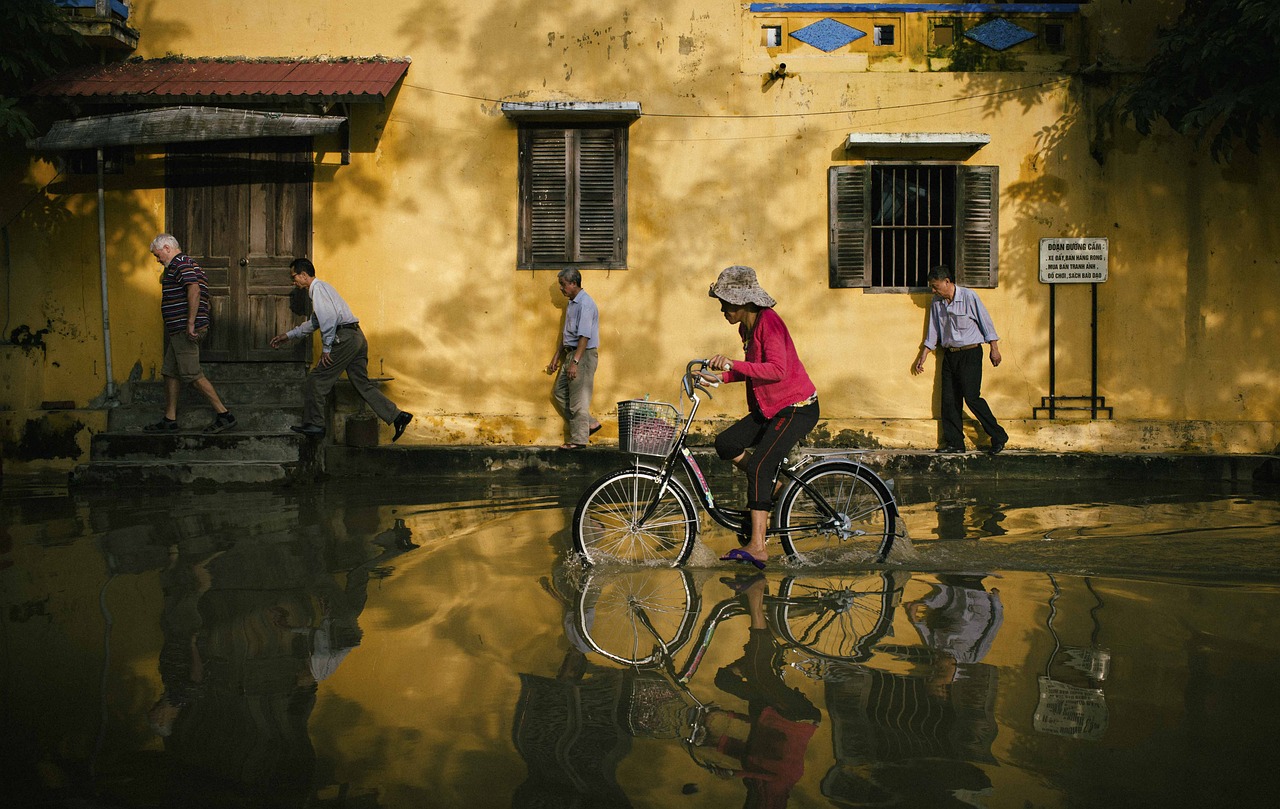
Anyone who’s followed the weather in Bristol lately knows it’s been wild, and June 23 really put Eastville’s drainage to the test. Heavy rainfall hammered down, leaving homes across the area awash in knee-deep water. People stepping out to move their cars found their driveways were already submerged, and by dusk, a handful of postcodes looked more like shallow lakes than residential streets.
The Scale of Damage in Eastville
In my years working in property management across Bristol, I’ve never seen insurance lines light up like they did that night. Within hours, homeowners from areas such as BS5 and BS16 reported severe flooding. Cellars, kitchens, and lounges waterlogged. By the morning of the 24th, local insurers had started logging hundreds of claims for everything from ruined floors to damaged boilers. Several families spent the night in temporary accommodation since emergency plumbing and water extraction companies were stretched beyond capacity.
Real estate colleagues confirmed the storm was the worst since 2019 in terms of claims density for Eastville, with several older homes suffering structural issues that will take weeks, if not months, to address. Charts provided by emergency adjusters indicate that, as of June 26, the majority of payouts were for ground floor and basement damages.
Old Promises and Outdated Drainage
One thing keeps coming up in conversations both with local residents and fellow professionals: Why is this still happening? When you look at Eastville’s drainage system, the answer isn’t all that surprising. Many pipes and channels serving the area date back to pre-1970s layouts, cobbled together with patchwork repairs over the years.
Bristol City Council had, back in 2020 and again in 2023, made assurances about a “priority overhaul” for Eastville’s flood defences. These were meant to include new storm drains and improved pumps at strategic points in the postcode. Yet, the planned works have been hit with delay after delay, citing funding issues and the sheer challenge of upgrading busy residential corridors. As of July 2025, mainline improvements are still in the consultation phase and not a single major construction milestone has been reached. That’s not a detail that inspires confidence when you’re staring at another summer of unpredictable weather.
Emergency Services: Rapid Response, Limited by Infrastructure
First responders in Bristol are known for their adaptability, and June 23 was no exception. Fire crews spent the evening pumping water from homes, while Avon and Somerset Police closed sections of Fishponds Road to ensure rescue vehicles could access the worst-hit zones. Statements from the city’s emergency coordinators confirm they were “operating at maximum capacity,” highlighting the reality that even the most reactive teams can only do so much when outmatched by sheer volume and outdated infrastructure.
On that note, I had a brief exchange with a civil engineer involved in previous city flood response planning. He emphasized that Eastville’s core issue is not the rainfall itself, but the bottlenecked, under-maintained drainage which simply cannot move water quickly enough when a flash event hits. The physical maps he supplied. All official council records. Show swathes of pipes less than 400mm in diameter. In today’s climate reality, that size is often inadequate for high-intensity rain, and the result is what unfolded this June.
Weather Patterns and Infrastructure That Can’t Keep Up
We all know British weather is notoriously fickle. Still, Bristol’s planners freely acknowledge that “historic averages” have little meaning now; rainfall intensity and duration are trending upward year on year. As a property professional and local resident, watching councils lean on outdated climate models is frustrating. Forward-thinking infrastructure investment feels overdue, given that so-called “freak” floods are becoming anything but rare.
Industry research confirms the pace of local drainage upgrades has not kept up with actual rainfall risk for cities in the South West. Peer-reviewed studies from 2024 suggested that unless urban drainage overhaul is accelerated by at least 25% per year, flood-prone zones like Eastville will continue to take the brunt of new weather extremes.
Where Does That Leave Eastville?
No one living here wants to see a repeat of this event. Let alone the weeks-long clean-up and endless paperwork. For anyone who’s already filed their insurance claim (or is still drying out their front room), the call for immediate action rings louder than ever. The community deserves more than apologies and yet another round of feasibility studies; it needs a clear start date for the promised works, proper interim flood defences, and a seat at the planning table for any new proposals.
Emotions run high when you’re faced with loss and disruption. If one thing is clear, it’s that “just coping” is not a long-term solution for a modern city. The story unfolding in Eastville is not unique, but it is urgent.
Don’t let this fade into the background noise of city hall talk. If you live or work in BS5 or BS16, reach out to your local councillors and demand clarity. Hold city leadership accountable for every unkept promise and every week’s wait for real change. Whether you’re a resident wrestling with a soaked carpet or an engineer frustrated with red tape, now’s the time to make your voice heard.
Frequently Asked Questions
What can homeowners do to reduce the risk of repeat flooding in Eastville?
Residents can look into simple options like fitting non-return valves to domestic drainage, adding small flood barriers to doors, and raising electrical sockets where possible. Consulting professional flood risk experts is essential before making changes, and always seek advice on the latest council support schemes for household defences.
How has the council responded to calls for urgent drainage upgrades since the June 23 flood?
To date, Bristol City Council’s public statements have reiterated their commitment to upgrading the Eastville system, but no significant construction has begun. The most recent update, early July 2025, points to continued consultation and pending contractor selection. Timetables for the actual start of work remain unfinalized.
Are local insurers covering all flood damages from the June 23 event?
Most mainstream home insurance providers cover water damage caused by storm events, but exact payouts depend on individual policy terms. Flood-specific exclusions and excesses can apply. Policyholders should document all losses carefully and stay persistent with their claims handlers.
Has Eastville experienced this level of flooding before?
Yes, but the frequency is increasing. Historical records show flooding incidents in 2012, 2019, and again annually in recent years, mostly linked to intense rainfall and the limitations of the existing drainage setup.
What is being done to improve future flood resilience in Bristol?
Ongoing discussions involve both temporary and long-term measures such as portable pumps, sandbag stockpiles, and the commissioning of a modernized drainage network for Eastville. However, research and council reports confirm that substantial risk reduction relies on large-scale, permanent upgrades rather than temporary fixes.