This afternoon brought an unexpected turn in Bristol, where torrential rain pounded the city, lightning storms lashed the skyline, and many found themselves caught in a weather system that no one saw coming. From personal experience, living in Bristol means always having an umbrella nearby, but events like today remind us that nature doesn’t always stick to the forecast. The impact has been extensive, and as I’ve seen with similar events in the past, local infrastructure can face a real test when conditions change so dramatically, so quickly.
Areas Hit Hardest by Flooding
Bristol’s unique geography, crisscrossed with rivers, valleys, and dense urban roads, makes certain locations especially vulnerable. Reports from local residents and businesses today paint a consistent picture: parts of Bedminster, the Harbourside, and Easton saw some of the deepest, fastest-rising waters. Key roads in Southville and Montpelier also flooded rapidly, turning commutes and errands into traps for unwary motorists. Even areas around Temple Meads station, often busy and bustling, were suddenly hemmed in by encroaching water, leaving several people stranded.
It’s never lost on me how quickly roads like Whiteladies Road and Gloucester Road can go from everyday traffic jams to standing rivers. Years ago, while heading to the centre on a day like today, I watched as hail mixed with flash floods overwhelmed the gutters. That memory came flooding back. No pun intended. As live updates confirmed that drains simply couldn’t cope.
Active Met Office Warnings
The Met Office declared a yellow weather warning earlier today that remains in effect through the evening. This warning isn’t just a formality; it’s a real indication that anything from surface water flooding to lightning-induced power cuts can be expected. Based on data from similar weather systems and confirmed statements today, this warning will stay in place until midnight, but forecasters are watching closely in case conditions worsen or extend into tomorrow.
Urban flooding often means more than wet feet. Trains may grind to a halt, traffic backs up for miles, and day-to-day routines are thrown off balance. The Met Office’s advice is crystal clear: keep an eye on updates, don’t travel unless absolutely necessary, and avoid low-lying paths and underpasses known for flooding.
Disruption on Roads and Public Transport
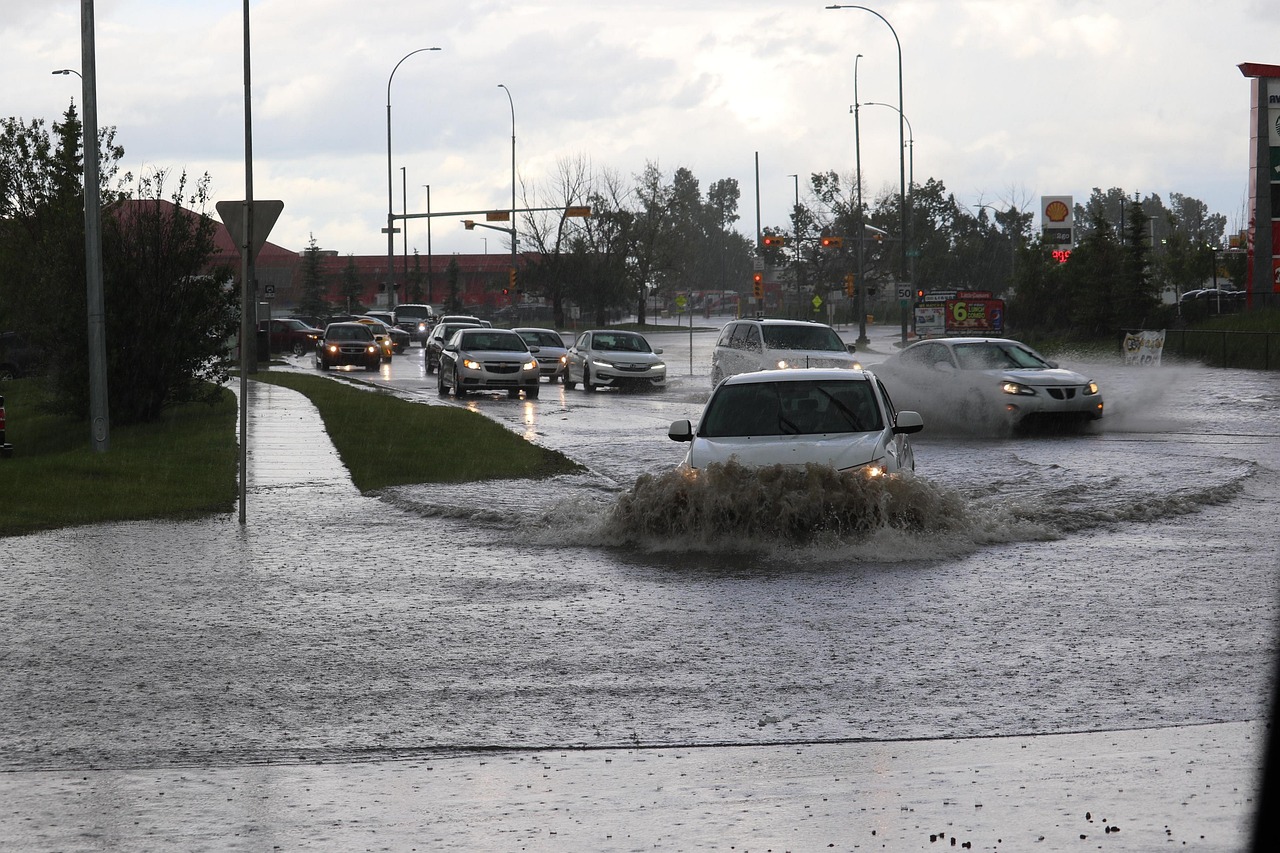
Anyone trying to get across Bristol this afternoon faced frustration and uncertainty. Both First Bus and GWR rail services reported delays, with the main commuter lines from Bristol Temple Meads experiencing cancellations and reroutes. Buses struggled to navigate areas like Hotwells Road and the A38, which were hit by standing water up to half a metre deep in some points.
Motorists found themselves gridlocked on the M32, and ring roads around Filton and St George were nearly impassable. Pedestrians, too, had to find higher ground. Navigating the city centre became a soaking wet maze, especially on routes close to underpasses and the riverbank.
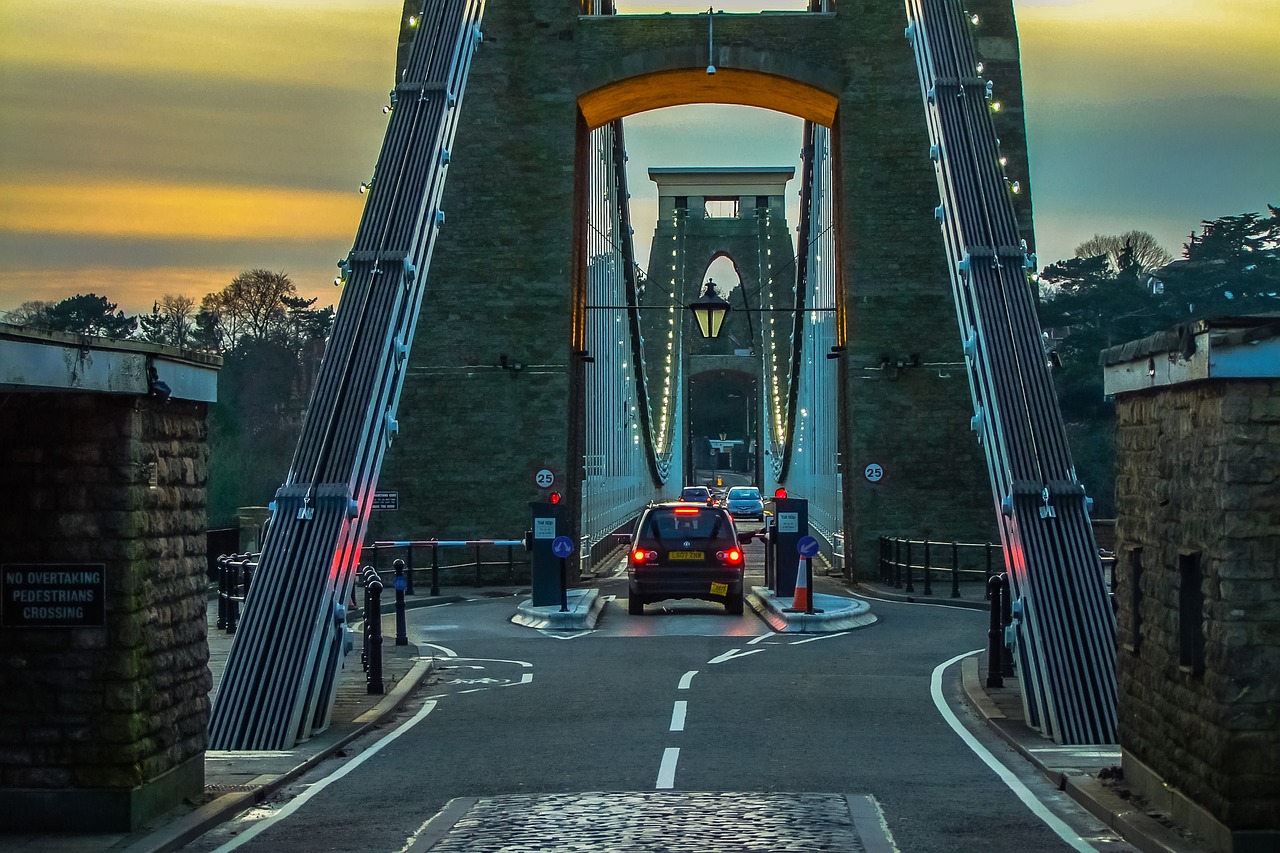
Having previously endured a similar gridlock across the Clifton Suspension Bridge during a downpour, I empathise with anyone who’s been caught out by today’s chaos. Even experienced drivers and hardy commuters find these conditions unnerving, and it’s a sobering reminder of how quickly Bristol’s infrastructure can reach its limit.
Safety Advice for Motorists and Pedestrians
Encountering flood water is more dangerous than most anticipate. Emergency services reiterated some practical lessons that bear repeating:
- Never drive through standing water if you cannot gauge its depth. Cars can lose traction or even stall in mere minutes.
- Pedestrians should avoid attempting shortcuts via flooded underpasses or towpaths. Water may be deeper or faster than it appears, and hidden dangers can lurk beneath the surface.
- If travelling is essential, stick to main routes, reduce your speed, and maintain a greater distance from the vehicle ahead.
- Always check for live updates from local councils and transport providers before setting out.
From personal knowledge, even a short journey can turn risky when visibility drops and surface water covers potholes or debris. After witnessing a neighbour’s car get trapped in rising water on North Street a few years ago, I cannot stress enough the importance of erring on the side of caution. The frustration of a delayed appointment pales in comparison to the danger of venturing into deep water.
The Forecast Ahead: What Next for Bristol?
Looking to the coming days, forecasters predict unsettled weather, though rain is set to become lighter with sporadic showers rather than another full-on deluge. Tomorrow’s outlook promises some respite, but the risk of further localised flooding persists, especially in low-lying and already saturated spots.
Residents are encouraged to keep personal safety and flexibility top of mind. For those seeking comfort and a break from the grey, consider holistic ways to relax and unwind. Local establishments like Hotel du Vin Exeter, for instance, offer beautifully maintained spa facilities, including heated outdoor pools no matter the weather. A spa day can provide both relief from the stress of storms and a warm retreat when home routines are disrupted by such unpredictable conditions.
Looking After Yourself and the Community
Episodes like today’s flash flooding are humbling. Community spirit comes to the fore when neighbours help clear drains, check in on the elderly, and offer shelter to stranded strangers. Sharing real-time information, lending a hand, or simply staying off the roads to let emergency crews operate are ways to help that make a real difference.
After you’ve gathered your wits and ensured your safety, a little self-care goes a long way. A hot drink, a warm shower, or a visit to a local spa facility. Perhaps indulging in a signature TempleSpa or Nimue therapy. Can help ease the tension after a day’s ordeal.
The city will dry out, and daily routines will resume. But today serves as a stark reminder: preparation, vigilance, and kindness matter, both on and off the road.
Take stock, look out for one another, and maybe give yourself permission to pause and recharge. Weathering the storm, literally and figuratively, is easier when you’re not doing it alone.
Frequently Asked Questions
Which areas in Bristol are at risk during heavy rainfall?
Low-lying districts like Bedminster, Harbourside, Easton, and roads around Temple Meads tend to be most vulnerable. Flooding frequently occurs in underpasses and by the river, where drainage can’t keep up with sudden downpours.
What should I do if I encounter a flooded road while driving?
Turn back if you’re unsure about water depth; do not attempt to drive through deep flooding. Your vehicle can lose control or stall quickly, increasing risk to both yourself and emergency responders who may need to assist.
How long will weather disruptions last in Bristol?
The active Met Office yellow warning extends until midnight, with ongoing monitoring. While lighter showers are expected tomorrow, certain areas may remain affected by residual flooding as drains catch up.
Is public transport reliable during heavy storms in Bristol?
Service can be unpredictable. Both buses and rail may face delays or cancellations, especially during flash floods. Always check for the latest travel updates before heading out.
Are there safe places in Bristol to relax while the weather is poor?
Yes, local options like Hotel du Vin Exeter offer a welcoming retreat, with heated pools and relaxing spa treatments available whether or not the sun is shining. Booking ahead is advised, especially in unpredictable weather.
Let’s keep supporting one another through these challenges. And when you’re ready for a well-earned break from the elements, remember there are safe, soothing spaces right here in the heart of the city.