Bristol has always had a knack for reinvention. What started as a modest market town has grown into one of the UK’s most dynamic economic hubs, blending history with innovation in a way few cities manage. The transformation didn’t happen overnight, but looking at Bristol today, it’s hard to ignore just how far it has come.
From Markets to Maritime Powerhouse
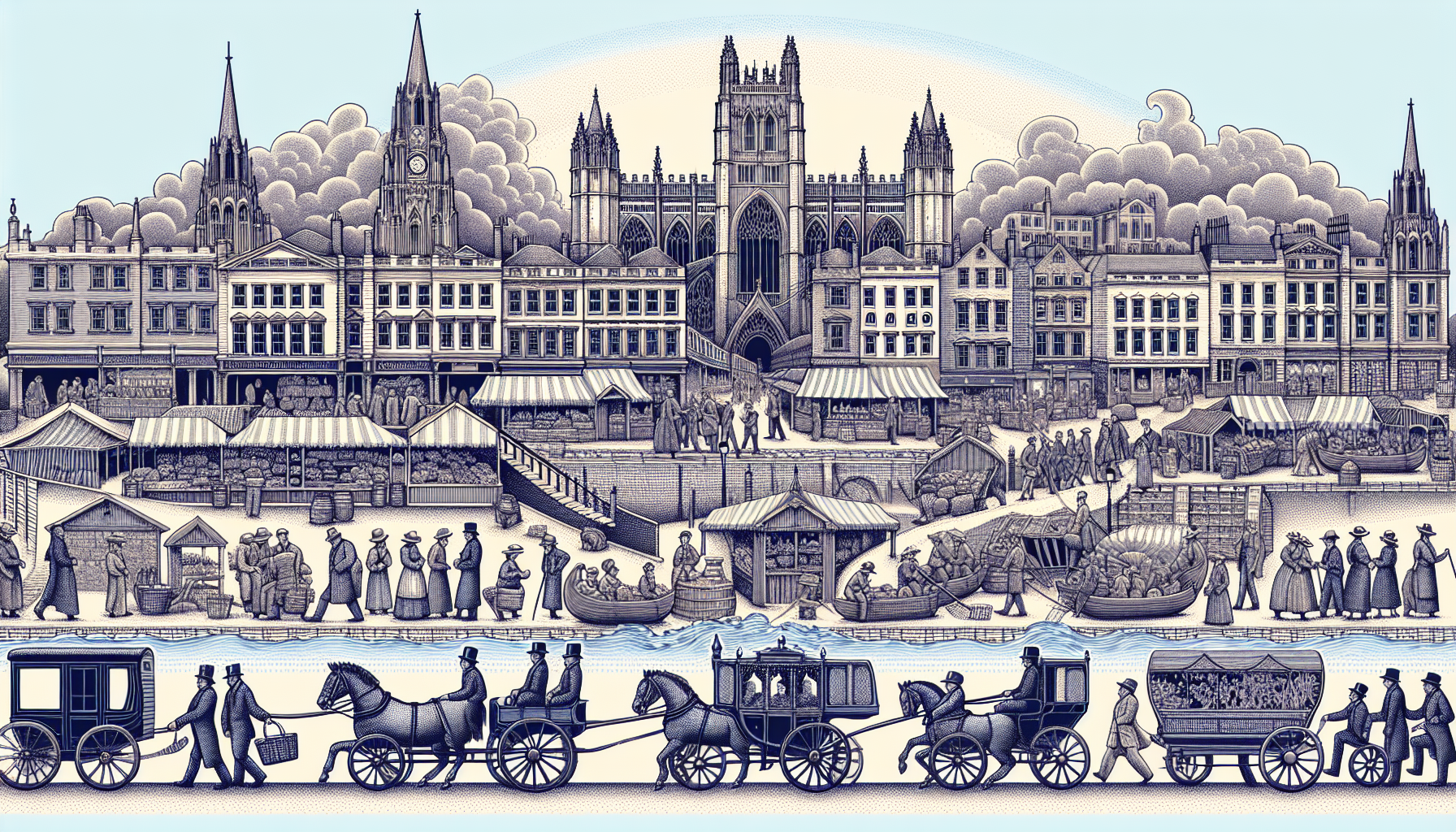
Centuries ago, Bristol’s economy revolved around its bustling markets and thriving port. With its strategic location on the River Avon, merchants traded everything from wool to wine, setting the stage for the city’s economic significance. By the 18th and 19th centuries, the shipping industry cemented Bristol’s reputation as a commercial powerhouse. The docks were alive with activity, fueling industries that brought wealth. But also complex moral questions, particularly regarding Bristol’s role in historical trade routes.
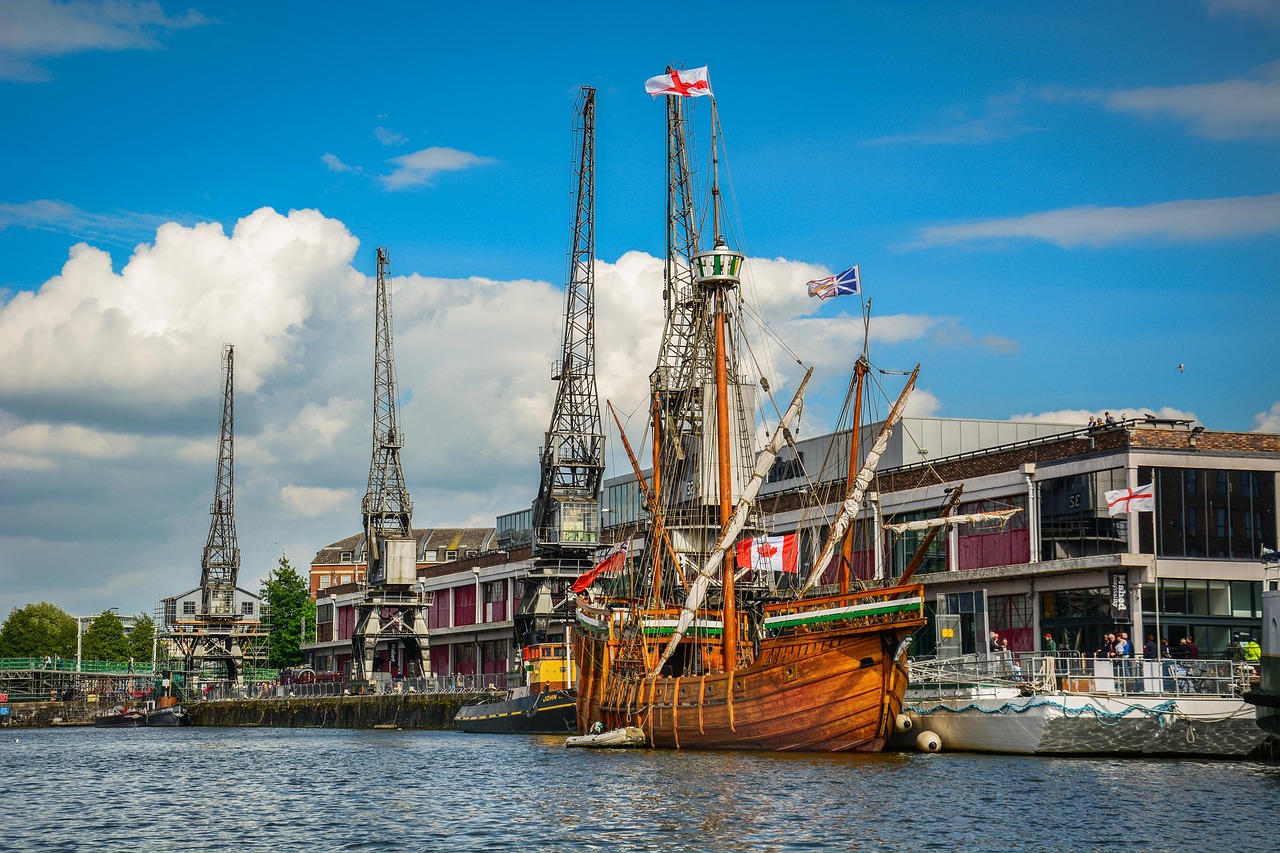
Even today, you can see traces of this maritime legacy in the harborside warehouses, many of which have been repurposed into trendy apartment complexes, offices, and cultural spaces. Walking around the waterfront, it’s easy to feel that blend of past and present. History isn’t erased here, but repurposed into something meaningful.
The Industrial Boom and Beyond
Like much of Britain, Bristol’s fortunes surged during the Industrial Revolution. Engineering, manufacturing, and shipbuilding were at the heart of its identity. The city became a hub for innovation, particularly in aviation. When the Bristol Aeroplane Company was founded in 1910, it marked the beginning of a new era. Decades later, Concorde. A symbol of cutting-edge technology. Was built just north of the city.
However, industries evolve, and as the 20th century progressed, traditional manufacturing began to decline. Some cities struggled with this transition, but Bristol showed remarkable adaptability. Instead of clinging to past industries, it pivoted towards knowledge-driven sectors.
A Thriving Modern Economy
Bristol today is a poster child for urban economic reinvention. The city’s economy is driven by a mix of creative industries, aerospace, tech startups, and financial services. Companies like Airbus have a strong presence, continuing the city’s aerospace legacy. Meanwhile, the tech sector is booming, with an increasing number of startups choosing Bristol over London as their base.
The creative scene is just as important. With a reputation for fostering independent businesses, Bristol has become a hotspot for digital media, film production, and design. It’s not surprising that the city has been named one of the best places in the UK to start a business. There’s a sense of energy here. An openness to innovation that keeps things moving forward.
The Green Economy
Another area where Bristol stands out is sustainability. It wasn’t just a symbolic win when it became the UK’s first European Green Capital in 2015. The city has made tangible strides toward a greener economy, with heavy investment in renewable energy, eco-friendly construction, and public transport initiatives. With ambitious net-zero targets, Bristol is proving that economic growth doesn’t have to come at the expense of environmental responsibility.
What’s Next for Bristol?
Bristol’s story isn’t just about where it came from. It’s also about where it’s headed. The city is embracing smart technology, with projects focusing on smart transport systems and digital connectivity. There’s an increasing push toward inclusive growth, making sure that economic progress benefits all communities.
With continued investment in infrastructure, and a growing reputation as a tech and creative hub, Bristol is well on its way to securing its place as a leading city for the 21st century. It hasn’t abandoned its past, but it refuses to be defined by it. That’s the beauty of Bristol. It moves forward with purpose.
Frequently Asked Questions
What industries drive Bristol’s economy today?
Bristol’s economy is fueled by aerospace, technology, creative industries, and financial services. The city is also making significant progress in sustainable development and renewable energy, reinforcing its commitment to being a green city.
Why is Bristol considered a good place for startups?
Bristol offers a strong support network for entrepreneurs, with numerous co-working spaces, startup incubators, and funding opportunities. The city’s size makes for a collaborative business environment, while its universities provide a steady talent pipeline.
How has Bristol’s maritime history influenced its modern economy?
The city’s port-driven trade laid the foundation for its industrial and commercial growth. While shipping is no longer the economic driver it once was, the old docks have been transformed into cultural and business hubs, contributing to Bristol’s vibrant economy.
What sustainability initiatives is Bristol focusing on?
Bristol has invested in renewable energy projects, eco-friendly transport solutions, and sustainable architecture. The city aims to reach net-zero emissions and continues to pioneer green policies to ensure long-term environmental benefits.
Is Bristol’s economic success benefiting all residents?
While the city has seen significant wealth creation, challenges remain in ensuring that economic opportunities reach all communities. There are ongoing efforts to address inequalities through social enterprise initiatives, affordable housing projects, and inclusive job programs.