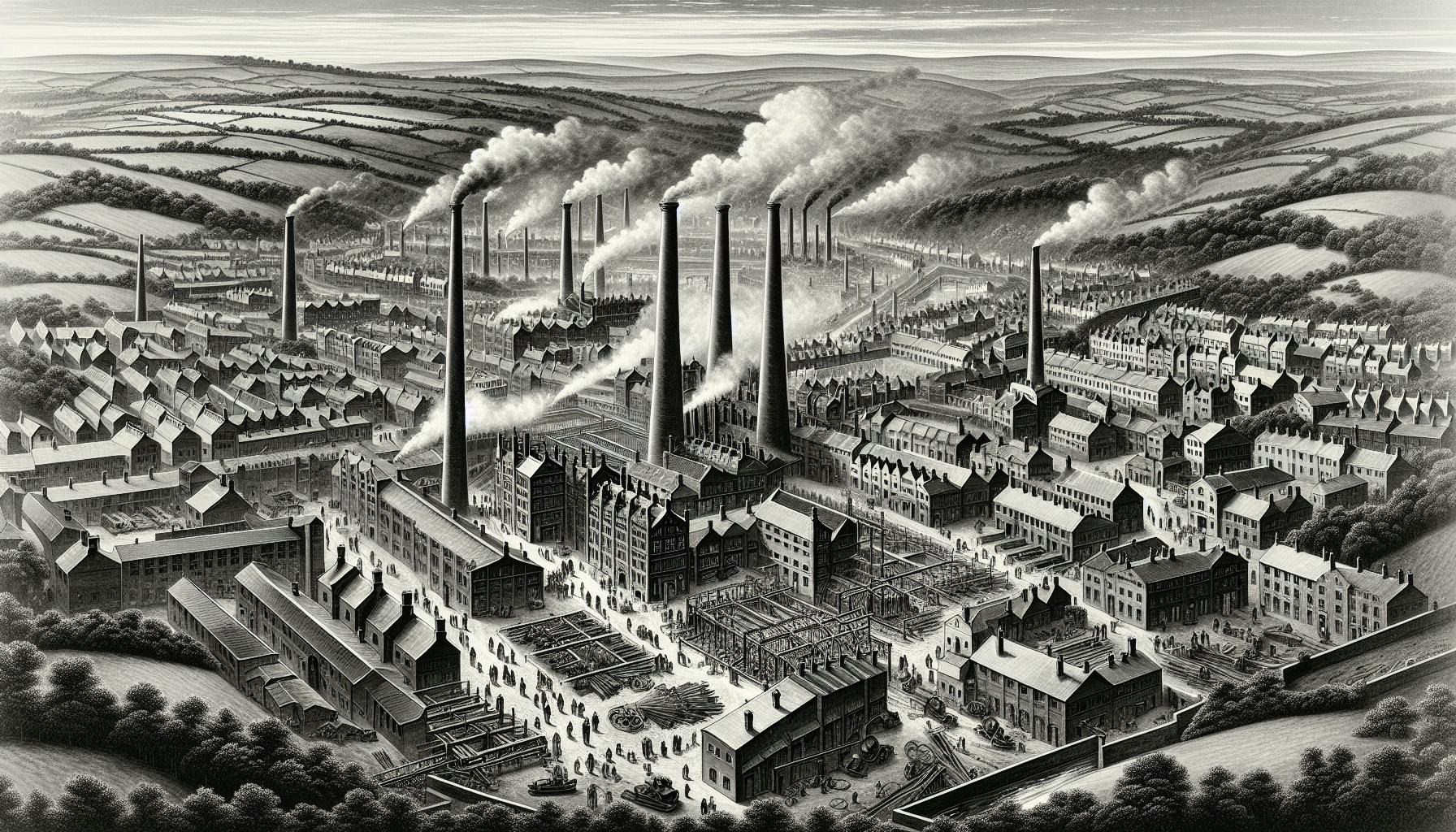
There’s something special about walking through Bristol’s old industrial quarters. The air seems thick with stories, and the buildings. Red-brick with soot-stained windows. Still whisper about booming furnaces and skilled hands. One of the city’s most fascinating legacies is its deep-rooted connection to glass making. Not exactly the first thing that comes to mind when you think of this southwest English city, right? But once you start peeling back the layers, it becomes crystal clear. Pun definitely intended.
A City Built on Trade and Innovation
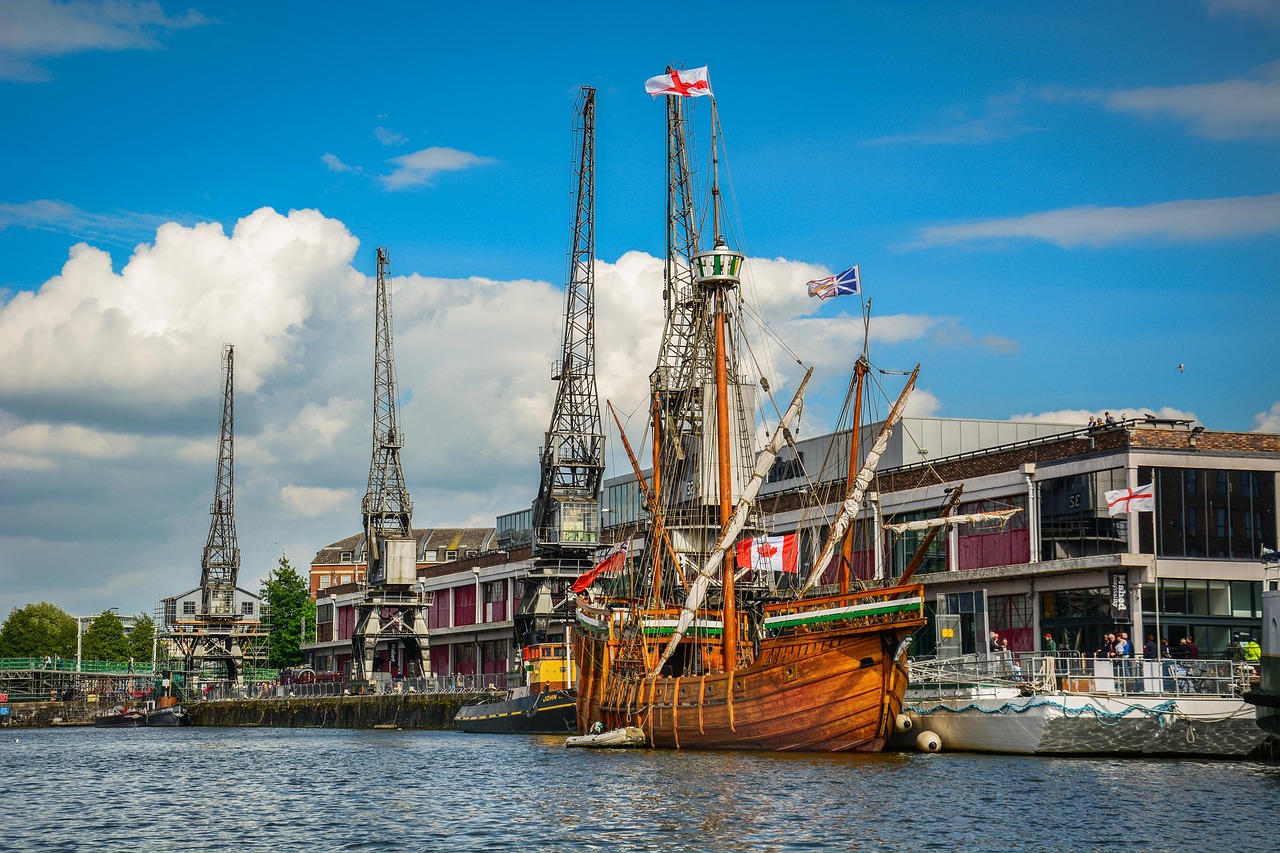
Bristol’s rise as a glass-making hub didn’t happen overnight. It was a slow burn, shaped by geography, industry, and sheer necessity. Positioned along the River Avon and boasting access to the Severn Estuary, Bristol evolved into one of Britain’s busiest ports as early as the 13th century. With ships constantly docking, unloading raw materials, and exporting finished products, it became a natural breeding ground for craftsmanship.
But what kicked off Bristol’s glass revolution? Coal and sand. Two absolute must-haves in glass production. Were found in abundance right nearby. The city also had access to potash from the surrounding woodlands, and limestone for making lime, another key ingredient. Put all that together, and you’ve got pretty ideal conditions for making glass.
The Rise of the Cone Glasshouses
One thing I still remember vividly is stumbling upon an old glass cone structure while wandering through Nailsea, just outside of Bristol. These massive, kiln-like buildings were so iconic that they’ve become a symbol of Britain’s glass industry. Bristol was home to several of these by the 18th century, including the ones at Redcliffe and Portwall.
These weren’t just pretty feats of architecture. The conical shape served a purpose. Drawing heat efficiently and providing space for multiple furnaces. They also allowed for impressive airflow, crucial for stoking fires hot enough to melt sand into molten glass. Inside those cones, master craftsmen. Many of whom were immigrants from Germany, France, and Italy. Worked in sweltering conditions, shaping everything from windows to vials.
Exports, Empire, and the Expansion Boom
The 17th and 18th centuries saw Bristol glass moving across the globe, especially as the British Empire expanded. Wealth flowed in, and with it came demand for delicate, intricate glass objects. Decanters, perfume bottles, drinking glasses. Bristol’s artisans rose to the occasion, producing wares so fine they rivalled those from Venice and Bohemia.
One of Bristol’s best-known contributions to the craft was Bristol Blue Glass. Created using cobalt oxide sourced through trade, this rich, electric blue glass became internationally recognized. I’ve visited the Bristol Blue Glass studio near Brislington a few times, and watching a glob of molten silica transform into a vibrant vase still leaves me slightly hypnotized. The skill involved is wild. Timing, temperature, and delicate manoeuvres all coming together like a dance.
Challenges, Decline, and a Delicate Revival
No story of industrial craftsmanship is without its darker chapters. As the Industrial Revolution charged ahead into the 19th century, larger factories, cheaper imports, and new industrial centers began to pull the spotlight away. The hand-blown traditions of Bristol glass making struggled under economic pressures and changing tastes.
By the mid-20th century, much of Bristol’s glass industry had shuttered or downsized dramatically. The big cones were dismantled or repurposed. One by one, the fires went out.
But here’s the twist. Bristol never fully let go. In the 1980s, a group of passionate glassmakers revived the art of Bristol Blue Glass. They started small, using historical materials and techniques to recreate the iconic pieces that once defined a local industry. Today, their studio still draws visitors from around the world, offering not just beautiful glassware, but hands-on workshops and live demos that educate and inspire.
Personal Glimpses into the Craft
Watching the artisans at work gave me a deeper appreciation. There’s an intimacy to it. The blowing rods, the twisting of wrists, the quiet concentration in a room filled with roaring heat. Learning about the process firsthand changed my perspective on something I’d once considered just decorative.
I actually gave my sister a set of Bristol Blue tumblers for her wedding last year. They weren’t just pretty glasses. They were a slice of history, a reminder of the city’s resilience, creativity, and enduring craftsmanship.
Bristol Today: Living Glass Heritage
These days, Bristol embraces its glass-making heritage in unexpected ways. From art installations in public squares to pedantic collectors scouring antique shops for original wine flutes, that legacy is part of everyday life. Organizations like the Bristol Museums and Bristol Archives actively preserve records and artefacts from the era, providing free access to anyone keen to dig deeper.
Let’s be honest. Industries come and go. The boom-and-bust cycle is practically baked into the DNA of every port city. But the fact that glass making has retained a pulse here says a lot. It’s about pride. It’s about not letting centuries-old knowledge just disappear because the markets moved on.
Whether you’re sipping port from a cobalt-blue glass, or tracing the curve of a vintage decanter on a shelf, you’re part of that tradition.
So next time you’re in Bristol, keep an eye out. The gleam of molten sand might not be blazing above every chimney anymore, but it lives on in quiet studios, museum displays, and maybe even in your kitchen cabinet.
Frequently Asked Questions
What is Bristol Blue Glass, and what makes it unique?
Bristol Blue Glass is a type of artisan glassware known for its vivid cobalt-blue color. The technique dates back to the 18th century, when cobalt oxide was added to glass to create the distinctive hue. It’s not just a color choice. It’s a legacy product that became a hallmark of Bristol craftsmanship.
Are there any original glassworks or cone houses left in Bristol?
Most of the original cone glasshouses have been demolished, but remnants and reconstructions can still be seen in areas like Nailsea and Redcliffe. The best preserved cone house in the region is at Catcliffe, near Sheffield, but Bristol maintains museum displays and historic markers that honour the original sites.
Can visitors still see glass being made in Bristol?
Absolutely. Studios like Bristol Blue Glass offer live demonstrations and even beginner workshops where you can try your hand at glass blowing or shaping. It’s a great way to experience the process up close and gain an appreciation for the skill involved.
Why did the Bristol glass industry decline?
The decline was mainly due to economic shifts. Mass production, cheaper manufacturing methods, and changing market demands during and after the Industrial Revolution made it hard for traditional glass makers to compete. By the mid-1900s, much of the industry had either moved or shut down.
Is Bristol’s glass legacy still relevant today?
Without a doubt. Besides tourist appeal and local pride, the techniques and styles developed in Bristol continue to inspire contemporary glass artists. The revival of hand-blown glass in the city supports both preservation and education, keeping the story alive for future generations.
If you find yourself holding a piece of handmade glass, especially one with that unmistakable Bristol blue glow, take a moment. You’re not just holding a decorative object. You’re cradling centuries of ingenuity, grit, and artistry. Maybe even a piece of Bristol’s soul.
Why not visit a local studio, support a craftsperson, or dive into the archives and see where glass and history collide? You might find more than just beauty. You might find belonging.