Bristol doesn’t always get the same recognition as London or Plymouth when people talk about the Age of Exploration, but this historic city played a crucial role in shaping global history. One of its most famous contributions? Launching John Cabot’s legendary voyage to North America in 1497.
The Man Who Sailed From Bristol to a New World
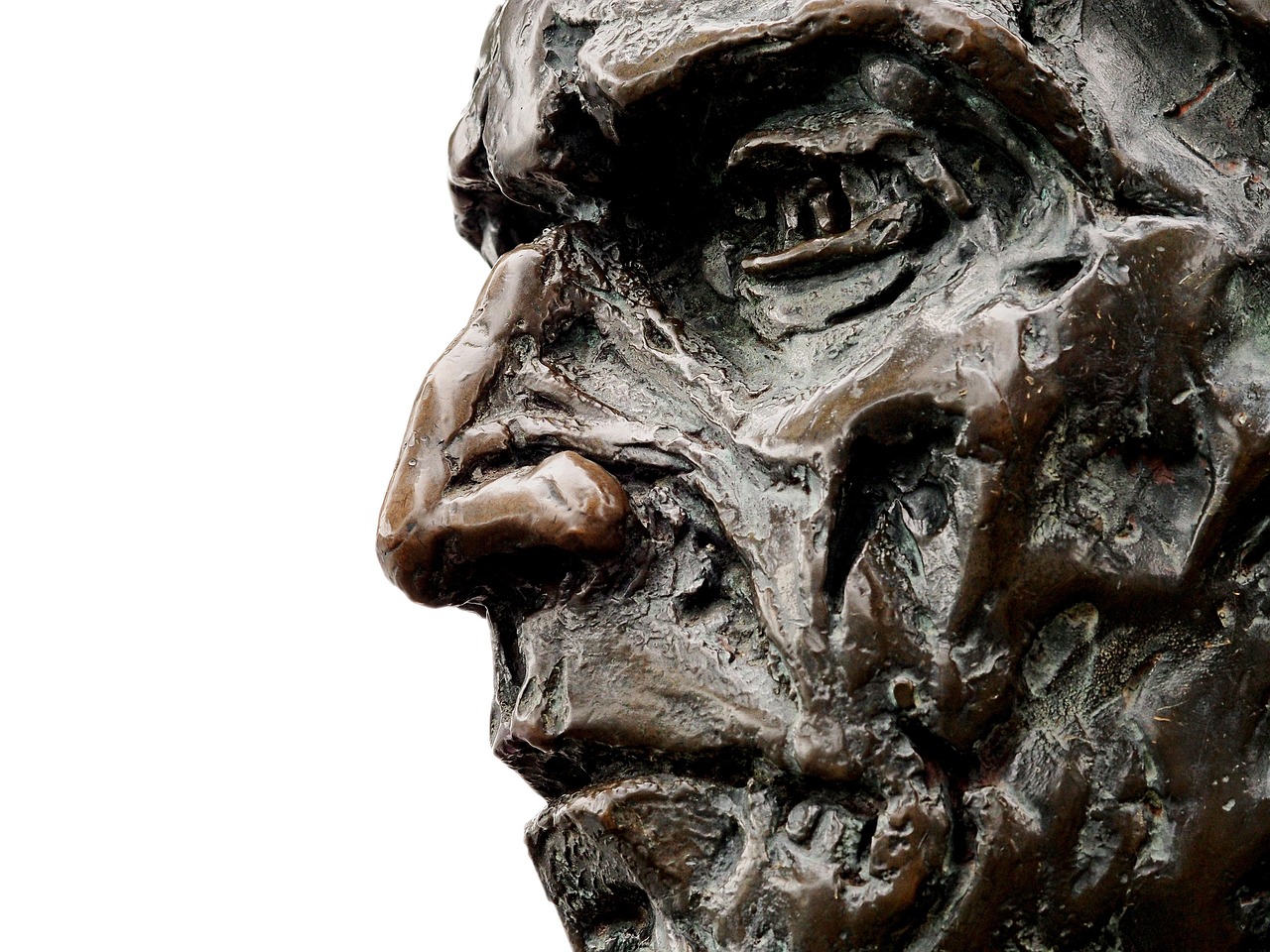
John Cabot. Born Giovanni Caboto in Italy. Was an adventurous Venetian merchant who believed there was a shorter route to Asia by sailing west across the Atlantic. Inspired by Christopher Columbus’ 1492 journey, Cabot sought backing for his own expedition. He found support not in Spain or Portugal but in England, where King Henry VII approved a voyage under the English flag.
Bristol, a bustling maritime hub by the late 15th century, became the launchpad for this ambitious expedition. With a small crew aboard the Matthew, Cabot set sail in May 1497, heading into the unknown. After weeks at sea, he landed on what is believed to be the coast of present-day Newfoundland, Canada. Though the exact location remains debated. This made him one of the first Europeans to set foot on North American soil since the Vikings centuries earlier.
Bristol’s Role as a Major Exploration Hub
At the time of Cabot’s journey, Bristol was England’s second-largest port and a thriving center for trade and exploration. Sailors from the city had likely been venturing into the western Atlantic even before Cabot’s voyage, searching for new fishing grounds. Some historians speculate that Bristol merchants may have been aware of lands to the west years before Cabot arrived and simply needed an explorer bold enough to stake a claim.
The city’s geography made it an ideal starting point for transatlantic expeditions. Positioned in the southwest of England, Bristol had direct access to the Atlantic, shortening the journey compared to ports farther inland. Mariners here had extensive experience navigating the treacherous waters of the North Atlantic, another factor that made the city a natural base for Cabot’s ambitious plans.
How Bristol Remembers Cabot Today
Over 500 years later, Bristol remains proud of its role in Cabot’s voyage. Monuments, museums, and annual events keep his legacy alive, reminding both locals and visitors of how this journey reshaped our understanding of the world.
- Cabot Tower: Perched atop Brandon Hill, this landmark was built in 1897 to commemorate the 400th anniversary of Cabot’s voyage. Climbing to the top offers incredible panoramic views of Bristol, making it both a historical site and a scenic spot for city explorers.
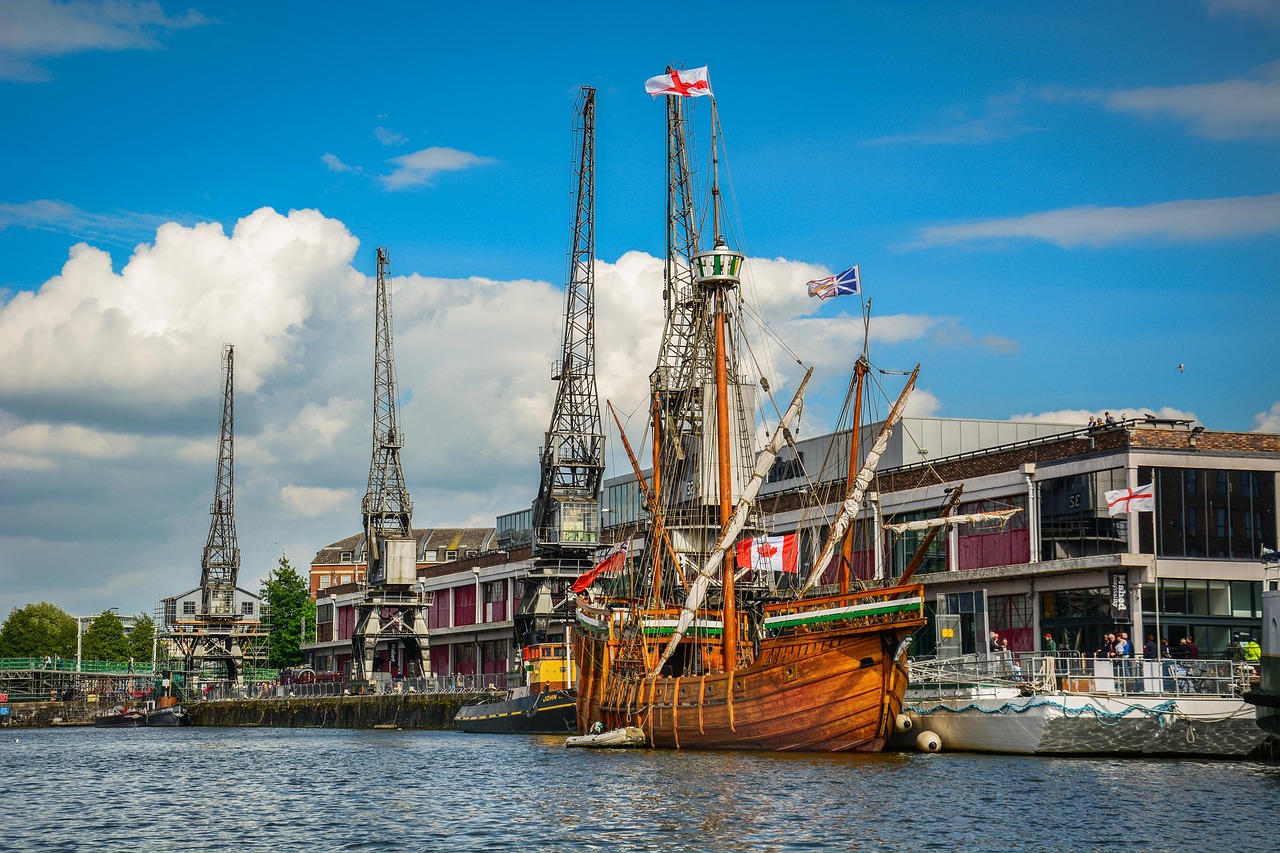
- The Matthew Replica: A fully functional reconstruction of Cabot’s ship, The Matthew often docks in Bristol’s harbor. Visitors can step aboard and experience what life might have been like for Cabot and his crew as they crossed the Atlantic. The ship frequently sets sail for special events, so checking its schedule is worthwhile.
- Bristol Harbour: Walking along the docks offers glimpses of the city’s maritime past. The waterfront, once teeming with trade ships and explorers, now hosts museums, galleries, and lively cafés, blending history with the modern vibrancy of Bristol.
The Lasting Impact of Cabot’s Journey
Cabot’s voyage was more than just a daring adventure. It laid the groundwork for England’s later claims in North America. His exploration helped spark further expeditions, shaping the course of history and leading to European settlements in the New World.
Bristol’s contribution to global exploration extends beyond Cabot. The city continued to be an important maritime center for centuries, playing a role in trade, migration, and industry long after the Age of Discovery.
Today, the echoes of those early voyages still resonate. Whether you’re standing atop Cabot Tower, wandering Bristol’s historic harbor, or stepping aboard The Matthew, there’s a tangible connection to that pivotal moment in history. It’s a reminder that Bristol wasn’t just a spectator in the Age of Exploration. It was a driving force behind it.
Frequently Asked Questions
Did John Cabot really discover North America?
Cabot wasn’t the first European to reach North America. The Vikings, led by Leif Erikson, had landed there centuries earlier. However, his voyage in 1497 was significant as it marked the first documented European exploration of the continent since the Norse expeditions and opened the door for later English claims.
Where is John Cabot buried?
The fate of John Cabot remains uncertain. His second voyage, launched in 1498, disappeared without a trace. No one knows for sure what became of him or where he might have been buried, if at all.
Can you visit The Matthew in Bristol today?
Yes! A full-scale replica of The Matthew is docked in Bristol’s harbor. It often welcomes visitors on board for tours, and on certain occasions, it sets sail for short trips, offering a glimpse into 15th-century seafaring life.
What other historical figures were connected to Bristol’s maritime history?
Bristol has ties to many other explorers and navigators, including William Weston, who may have been the first Englishman to explore North America. The city also played a major role in the transatlantic trade network in later centuries.
Why isn’t Cabot as well-known as Columbus?
Columbus’ voyages were directly backed by Spain and had significant geopolitical consequences, leading to widespread colonization efforts. Cabot’s journey, while historically important, didn’t immediately lead to large-scale settlement, which is one reason his name isn’t as widely recognized. However, his role in exploration history remains crucial, especially in England and Canada.