Walking down certain streets in Bristol today, it’s easy to pass by a row of shops or an unremarkable block of flats without giving it a second thought. But look a little closer. Beneath the modern surfaces lie stories of golden screens, queues for Saturday matinees, and echoes of laughter and gasps in the dark. This city once pulsed with the glow of dozens of independent and family-owned cinemas. A night at the flicks was more than entertainment. It was an event. A ritual, almost.
Some of these buildings are barely noticeable now. Others have been wiped clean off the map. But for those of us who grew up here. Or even just spent a few formative years. These picture houses occupy a special place in our memories.
Where Did They All Go?
Bristol had over 40 cinemas at its peak in the mid-20th century. They were spread across every neighbourhood: Bedminster, Redfield, Kingswood, Fishponds. Back then, you didn’t need to trek into town for a night out. Your local cinema was just down the road, within walking distance, often nestled between a bakery and a grocer. It felt intimate. Personal.
Take the Glen Cinema in Horfield, for example. Built in 1921, it survived the blitz, post-war rebuilding, and decades of technological change before finally shutting its doors in the ‘70s. My grandfather used to take me there when I was a kid, even though it had already become a bingo hall by then. He’d stand out front and point at the faded marquee, recounting tales of first dates and wartime newsreels. Hearing him talk about it made it feel like it wasn’t gone at all.
The Rise and Fall of the Local Picture House
A few forces contributed to the gradual decline of neighbourhood cinemas. The arrival of television in the 1950s started the shift. People could have entertainment beamed straight into their homes. Magical, right? But even in those early days, it didn’t quite replace the thrill of the big screen.
Later, in the 1980s and ‘90s, the rise of multiplexes changed the game completely. Bigger screens, more choices, bucket-sized popcorn. It all seemed exciting at first. But something subtle was lost in the move toward commercial cinema. The community connection slipped away. No one knew the usher’s name anymore. No one chatted in the queue about last week’s film.
The Whiteladies Picture House, a stunning Edwardian building in Clifton, closed for nearly 15 years before finally being revived in 2016. I remember protesting its closure as a student in the early 2000s. Joining hundreds outside in the cold, holding signs, hoping someone would care enough to bring it back. When it re-opened, restored with its original ivory façade and velvet seats, it felt like a small win for everyone who ever loved film.
Ghosts of Bristol’s Silver Screens
Some of these places still stand, hidden in plain sight.
- The Metropole in Easton now houses a budget furniture store.
- The King’s Cinema in Bedminster became a snooker hall.
- The once-grand Academy Cinema on Whiteladies Road was turned into a Habitat store before being left empty for years.
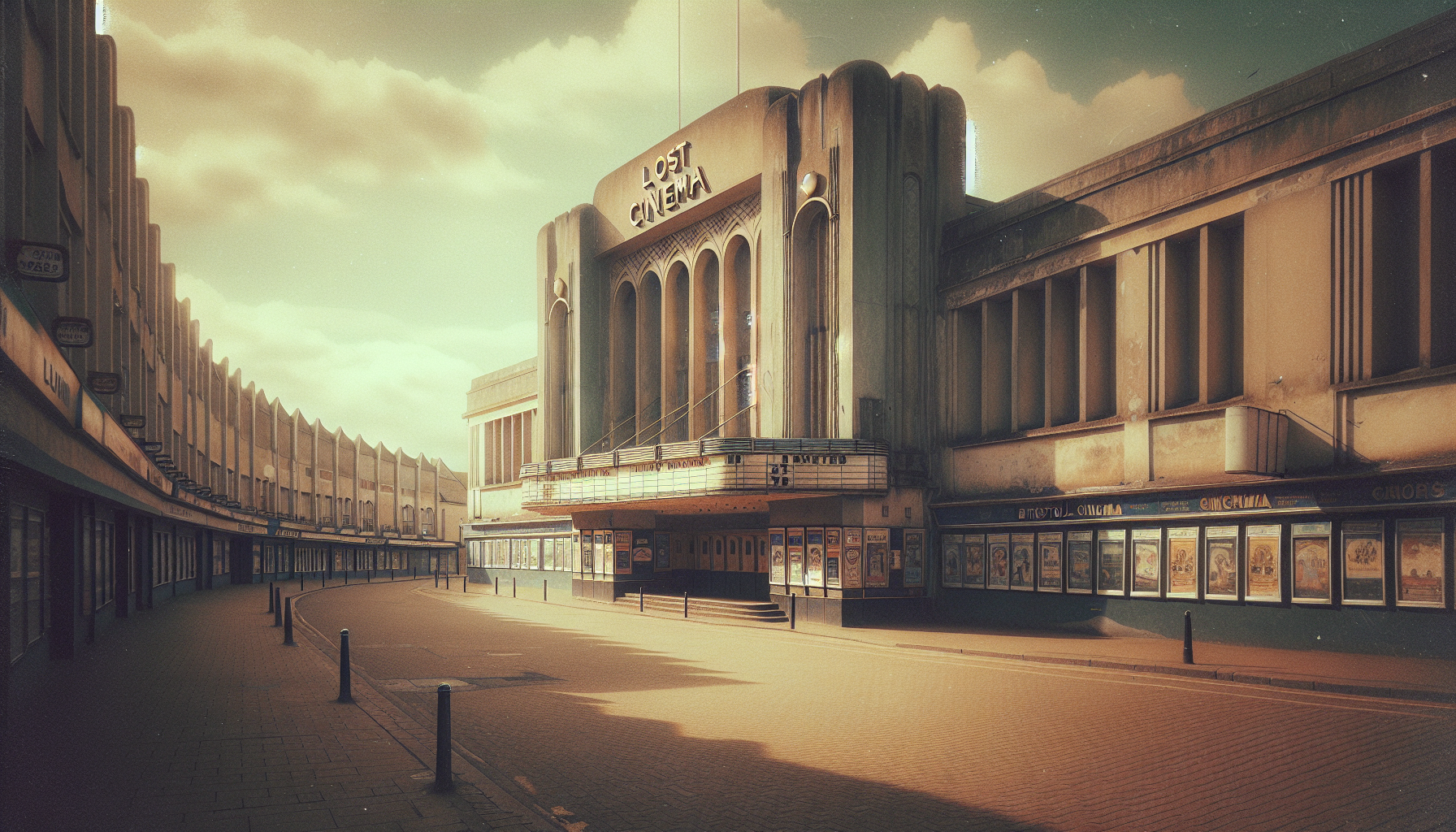
You wouldn’t know their past if you weren’t looking. But if you glance up, you might catch an old faded sign, an arched window blocked with plasterboard, or that unmistakable curve of a balcony breaking through a stark modern rebuild.
I’ve made a hobby of finding these places. Snapping photos, chatting with locals who remember them, digging through archives at the Central Library. What strikes me every time is that these were deeply local institutions. They weren’t just venues. They were part of people’s daily lives.
“I met my wife at the Savoy in Fishponds. Same seat every Saturday night. We couldn’t afford dinner, but we never missed a film.”
. Dennis, 84, former Bristol resident
The Power of Nostalgia
It’s not just about the buildings. It’s what they represent.
There was a time when going to the cinema felt special. You dressed up. You waited in line. You chatted to the cashier. Cheryl, Janet, maybe Reggie. People didn’t scroll through their phones during the trailers. They watched the newsreel, maybe even a short cartoon, then settled in for magic. It was an experience.
Today’s cinemas? They’re fine. Comfortable, slick, reliable. You can pre-book online, pick your seat, even order wine to your recliner. But when was the last time you remembered an entire evening at the movies?
Those lost cinemas weren’t just buildings. They were chapters in Bristol’s story. And more than that, they were bookmarks in thousands of personal stories. First kisses, last dates, family traditions, or solo escapes.
New Life in Old Frames
There is hope, though. Places like the Orpheus in Henleaze continue to hold on, adapting while honouring the past. The Cube Microplex, a community-run arts cinema tucked behind Dove Street, champions experimental film and offers a proper indie vibe.
Efforts to preserve cinema history. Through local projects, oral histories, and photo archives. Are gaining traction. The Cinema Rediscovered festival, held annually at the Watershed, celebrates not only film but film heritage.
So maybe they’re not lost entirely. Maybe they’re waiting to be rediscovered. By us, by younger audiences, by anyone who knows that a city is more than just steel and brick.
If you’ve lived in Bristol long enough, chances are you have a lost cinema story too. And if you’re new here, you might be passing one on your way to work, not knowing the stories buried behind boarded doors.
Let’s dig them up.
Frequently Asked Questions
How many cinemas did Bristol have historically?
According to records from the Bristol Archives and Cinema Theatres Association UK, Bristol had over 40 individual cinemas operating during the mid-20th century, especially peaking from the 1930s through the 1950s.
Are any of the historic cinemas in Bristol still open?
Yes, a few have either survived or been restored. Notably, the Whiteladies Picture House reopened in 2016 after extensive renovation. The Orpheus also remains operational and offers a local alternative to multiplexes.
Why did so many cinemas close in Bristol?
A combination of factors led to their decline. Rising TV ownership from the 1950s, urban redevelopment, shifts in entertainment habits, and the rise of larger, out-of-town multiplexes in the 1980s and beyond.
Is there a resource where I can find more about Bristol’s cinema history?
The Bristol Archives and the Cinema Theatre Association (CTA) are excellent places to explore documents, photos, and detailed histories. Local groups such as the Bristol History Facebook group also share valuable memories and photos.
Can we visit any of these closed cinemas today?
Some buildings are still standing and repurposed, like the former King’s Cinema and the Metropole. While you can’t see films there anymore, their architectural features are often still visible, especially if you know what to look for.
If this stirred up a memory or two. Or if you know of a cinema we’ve missed. Drop a comment or share your story. Bristol’s memory is made of all our voices. Let’s make sure these silver screens aren’t forgotten.